
Using Digital Marketing Tools to Succeed Online in 2026

Digital marketing can transform your business, but only when you choose the right strategies. Whether you’re running a brick-and-mortar store, an online business, or both, the web offers endless opportunities to reach your target audience and drive real results.
The challenge? Many businesses jump into digital marketing without a clear plan. They scatter their efforts across multiple platforms, waste budget on ineffective tactics, and struggle to measure what’s actually working. Sound familiar?
Here’s what you’ll learn: how to build a focused digital marketing strategy that delivers measurable results, which tools actually matter for your business goals, and how to integrate online and offline marketing efforts for maximum impact.
Define Your Digital Marketing Foundation
Successful digital marketing starts with clarity, not tactics. Before you launch a single campaign, you need to answer three fundamental questions that will guide every decision you make.
Set Clear Business Objectives
What exactly do you want to achieve? More website traffic sounds good, but it’s meaningless if those visitors don’t convert. Get specific about your goals:
- Increase online sales by 25% within six months
- Generate 50 qualified leads per month
- Reduce customer support calls by improving self-service options
- Build brand awareness in a specific geographic area
- Boost customer lifetime value through retention campaigns
Each objective requires different strategies and digital marketing metrics. A lead generation campaign looks nothing like a brand awareness effort.
Identify Your Target Audience
You already know your customers better than any marketing agency ever will. You understand what drives them to buy, what problems they need solved, and what information they seek before making decisions.
Document this knowledge. Create detailed customer personas that include demographics, pain points, buying behaviours, and preferred communication channels. This foundation will inform every piece of content you create and every campaign you launch.
Choose Your Technology Stack
Your technical platform affects everything from SEO performance to conversion rates. Consider your resources, budget, and technical expertise when selecting tools.
Start with the essentials: a reliable website platform, analytics tracking, and email marketing system. Content management systems like WordPress offer flexibility and growth potential, while platforms like Shopify excel for e-commerce.
Choose Effective Marketing Strategies
Not every marketing tactic suits every business. Your strategy should align with your objectives, audience, and resources. Here are the most effective approaches for different business goals.
Search Engine Optimisation for Long-Term Growth
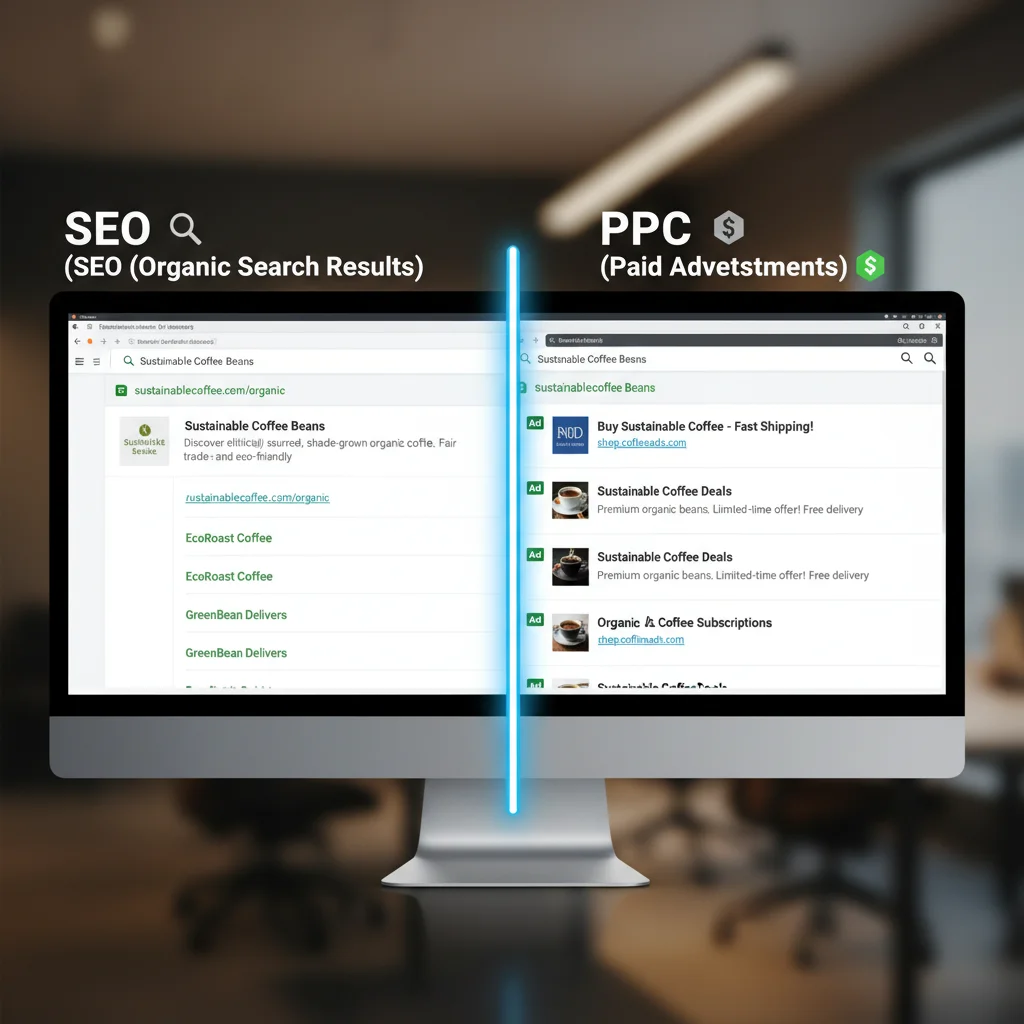
SEO delivers the highest ROI of any digital marketing channel, but it requires patience and consistent effort. When potential customers search for your products or services, you want to appear at the top of search results.
Focus on three key areas: technical SEO, content creation, and link building. Avoid common SEO mistakes like keyword stuffing or neglecting mobile optimisation. Instead, create valuable content that answers your audience’s questions and earns natural backlinks.
Local businesses should prioritise local SEO strategies. Claim your Google Business Profile, maintain consistent NAP (Name, Address, Phone) information across directories, and encourage customer reviews.
Pay-Per-Click Advertising for Immediate Results

PPC advertising delivers instant visibility and measurable results. Google Ads, Facebook Ads, and LinkedIn Ads each serve different purposes and audiences.
Google Ads work best for capturing high-intent searches. Someone searching for “emergency plumber Sydney” is ready to buy. Creating highly converting ad copy and optimising your landing pages will maximise your return on ad spend.
Facebook and Instagram ads excel at building awareness and nurturing prospects who aren’t ready to buy yet. Use detailed targeting options to reach specific demographics, interests, and behaviours.
Content Marketing That Converts
Quality content attracts prospects, builds trust, and positions your business as an industry authority. But content marketing fails when businesses create content for themselves instead of their customers.
Develop content that addresses specific customer needs at different stages of the buying journey. Blog posts answer questions and build awareness. Case studies and testimonials provide social proof. Product demos and tutorials help prospects evaluate solutions.
Optimise your blog posts for SEO by incorporating relevant keywords naturally, structuring content with clear headings, and including internal links to related pages.
Integrate Online and Offline Marketing
Digital marketing works best when it complements your existing marketing efforts. Customers interact with your brand across multiple touchpoints, and consistency across all channels builds trust and reinforces your message.
Consistent Brand Messaging
Your website, social media profiles, email campaigns, and printed materials should all reflect the same brand voice and visual identity. Inconsistent messaging confuses customers and weakens brand recognition.
Create brand guidelines that cover tone of voice, colour schemes, logo usage, and key messaging points. Train all team members who create customer-facing content to follow these guidelines.
Cross-Channel Campaign Coordination
Plan your campaigns to work together across channels. A product launch might include email announcements, social media teasers, blog content, and print advertisements that all reinforce the same core message.
Track customers across touchpoints to understand how different channels contribute to conversions. Someone might discover your business through social media, research on your website, and finally purchase after receiving an email promotion.
Measure and Analyse Performance
Digital marketing’s biggest advantage is measurability. You can track exactly what’s working, what’s not, and where to invest additional resources. But measurement requires the right tools and processes.
Essential Analytics Setup
Google Analytics 4 provides detailed insights into website traffic, user behaviour, and conversion paths. Set up goal tracking for important actions like form submissions, phone calls, and purchases.
Connect your advertising platforms to analytics tools to track attribution across channels. Google Ads, Facebook Ads Manager, and email marketing platforms all provide detailed performance data.
Monitor key SEO KPIs like organic traffic growth, keyword rankings, and backlink acquisition. These metrics indicate long-term marketing health and competitive position.
Regular Performance Reviews
Schedule monthly performance reviews to assess campaign results and identify optimisation opportunities. Look for trends in traffic sources, conversion rates, and customer acquisition costs.
Test different approaches systematically. A/B test email subject lines, landing page headlines, and ad copy to improve performance over time. Small improvements compound into significant results.
Local Business Marketing Essentials
Local businesses face unique marketing challenges and opportunities. You’re competing for customers in a specific geographic area, which means local search optimisation becomes essential.
Google Business Profile Optimisation
Your Google Business Profile is often the first thing potential customers see when they search for local businesses. Complete every section: business hours, phone number, address, website, and business description.
Post regular updates, respond to reviews promptly, and add high-quality photos of your business, products, and team. Businesses with complete profiles receive 2x more customer actions than incomplete profiles.
Directory and Citation Management
Maintain consistent business information across online directories, review sites, and local business listings. Inconsistent NAP information confuses search engines and potential customers.
Focus on major directories first: Google Business Profile, Facebook, Yelp, and industry-specific directories. Then expand to smaller local directories and chamber of commerce websites.
Advanced Marketing Automation
Marketing automation helps you scale personal communication and nurture prospects more effectively. Start with simple email sequences and gradually add more sophisticated workflows.
Email Marketing Sequences
Welcome sequences introduce new subscribers to your business and provide immediate value. Educational sequences position your business as a trusted advisor. Promotional sequences drive sales at appropriate intervals.
Segment your email list based on customer behaviour, purchase history, and engagement levels. Send targeted messages that address specific customer needs and interests.
Remarketing Campaigns
Most website visitors don’t convert on their first visit. Remarketing campaigns help you reconnect with interested prospects and guide them toward conversion.
Create specific audiences based on pages visited, time spent on site, and actions taken. Show different ads to people who viewed product pages versus those who abandoned shopping carts.
Frequently Asked Questions
What digital marketing tools do small businesses need most?
Small businesses should start with Google Analytics, Google Business Profile, an email marketing platform, and social media management tools. These provide the foundation for most marketing activities.
How long does it take to see results from digital marketing?
PPC advertising shows immediate results, while SEO typically takes 3-6 months. Email marketing and social media results vary based on audience size and engagement levels.
Should I focus on SEO or paid advertising first?
Start with paid advertising for immediate results while building your SEO foundation. SEO provides better long-term ROI, but PPC delivers faster initial traction.
How much should I budget for digital marketing?
Most businesses allocate 7-10% of revenue to marketing, with 50-70% going to digital channels. Start with a modest budget and increase based on proven results.
Can I handle digital marketing myself or should I hire an agency?
DIY works for basic activities like social media posting, but technical areas like SEO and PPC often require professional expertise for best results.