

Social media marketing has become fiercely competitive. Every business is fighting for the same eyeballs, and the old playbook of posting randomly and hoping for engagement doesn’t work anymore.
At PWD, we see this challenge daily. Businesses invest time and budget into social media only to watch their posts disappear into the void. The solution isn’t posting more – it’s posting smarter.
Here are five proven strategies that actually drive visibility and results on social media.

Why Social Media Visibility Matters More Than Ever
Social media isn’t optional anymore. It’s where your customers spend their time, make purchasing decisions, and form opinions about brands. The numbers tell the story:
- 77% of Fortune 500 companies actively use Twitter
- 70% maintain a Facebook presence
- Digital ad spend overtook traditional media back in 2015 and hasn’t looked back
But here’s what most businesses get wrong: they treat social media as a broadcasting channel instead of a conversation platform. This approach kills engagement and wastes budget.
Smart businesses use social media to build awareness, acquire customers, launch products, test offers, and gather market intelligence. It’s become essential infrastructure for modern digital marketing strategies.
Strategy 1: Build a Recognisable Brand Identity
First impressions happen in milliseconds on social media. Users scroll fast, and if your profile doesn’t immediately communicate professionalism and value, they’re gone.
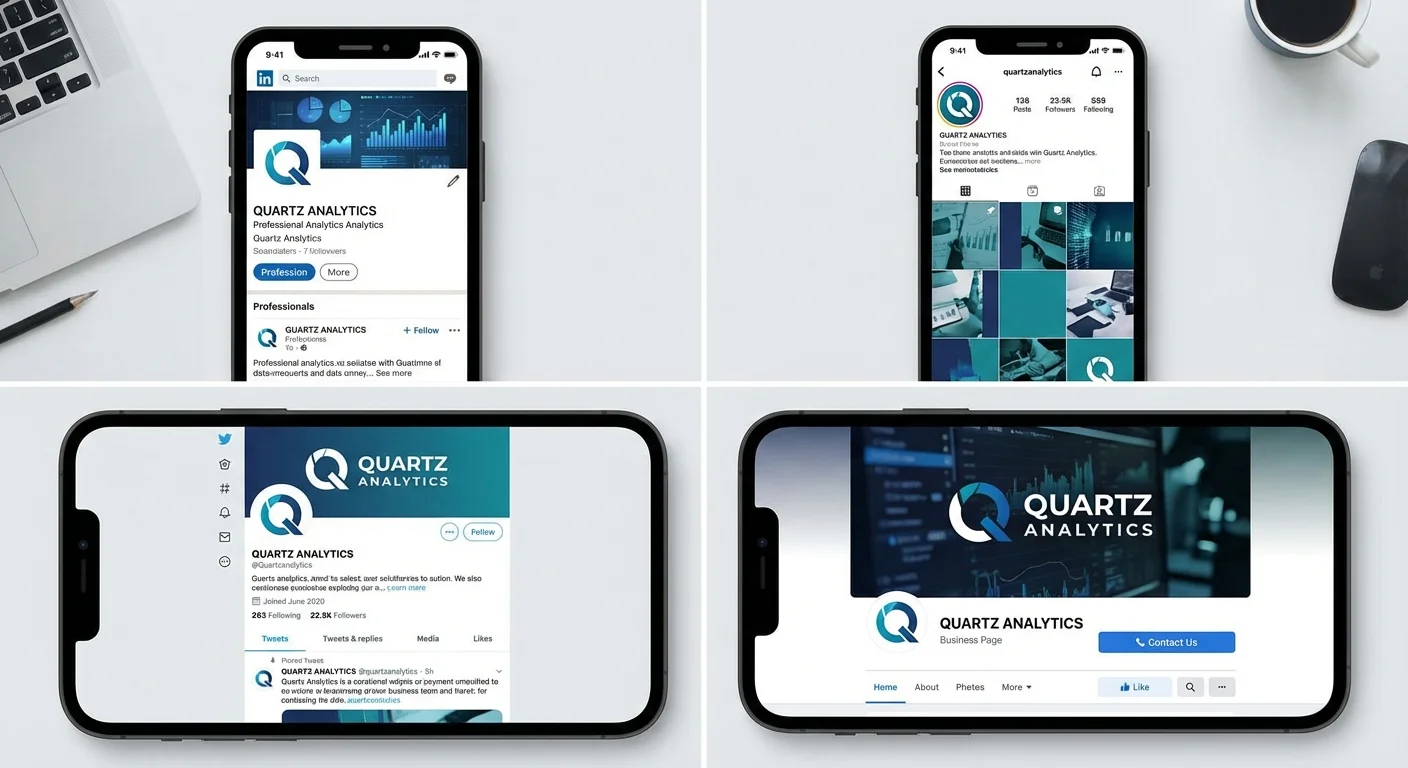
Your visual identity needs to work across all platforms while adapting to each one’s format requirements. This means:
- Consistent logo usage that scales well at different sizes
- A defined colour palette that photographs and renders well on mobile devices
- Typography choices that remain readable across platforms
- Profile layouts that feel intentional, not thrown together
Technical Considerations for Brand Consistency
Each platform has specific image dimensions and display behaviours. Instagram’s circular profile pics crop differently than LinkedIn’s square format. Design your brand assets with these constraints in mind, not as an afterthought.
Consider how your brand identity connects to your website design as well. Users who click through from social media should experience visual continuity, not jarring design shifts. This connection between social media and web usability principles directly impacts conversion rates.
Strategy 2: Create Shareable Infographic Content
Text posts get buried. Video requires significant production resources. Infographics hit the sweet spot of visual appeal and information density that social media algorithms and users both love.
Effective infographics work because they:
- Communicate complex information quickly
- Encourage shares and saves
- Remain useful over time (evergreen content)
- Position your business as knowledgeable
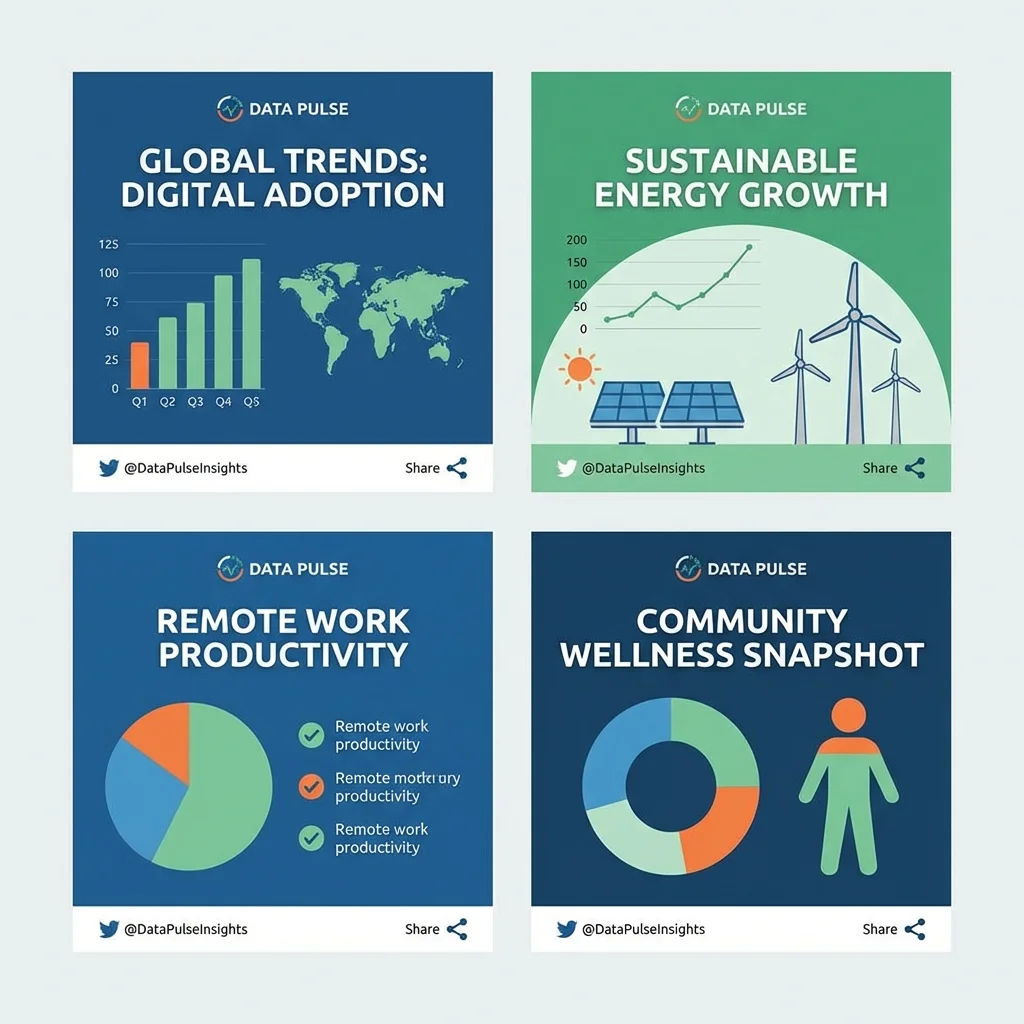
What Makes Infographics Actually Get Shared
Not every infographic succeeds. The ones that get traction focus on:
- Solving specific problems your audience faces
- Presenting surprising or counter-intuitive data
- Breaking down complex processes into simple steps
- Including your brand subtly, not dominantly
Think of infographics as content marketing assets that happen to live on social media. They should provide genuine value, not just promote your services. This approach aligns with broader B2B marketing strategies that prioritise education over promotion.
Strategy 3: Offer Genuine Value Through Incentives
Following your social media accounts needs to benefit your audience, not just your business. Generic “follow for updates” calls-to-action don’t motivate action in 2026.
Effective incentives include:
- Free downloadable resources (templates, guides, checklists)
- Early access to new products or services
- Exclusive discounts for social media followers
- Entry into contests or giveaways
- Behind-the-scenes content
Companies like Udemy execute this well. They create interactive posts where engagement directly rewards participants with useful resources or opportunities.
Building Two-Way Engagement
Beyond incentives, create opportunities for your audience to contribute. Ask questions that generate meaningful responses. Run polls about industry trends. Request feedback on new ideas.
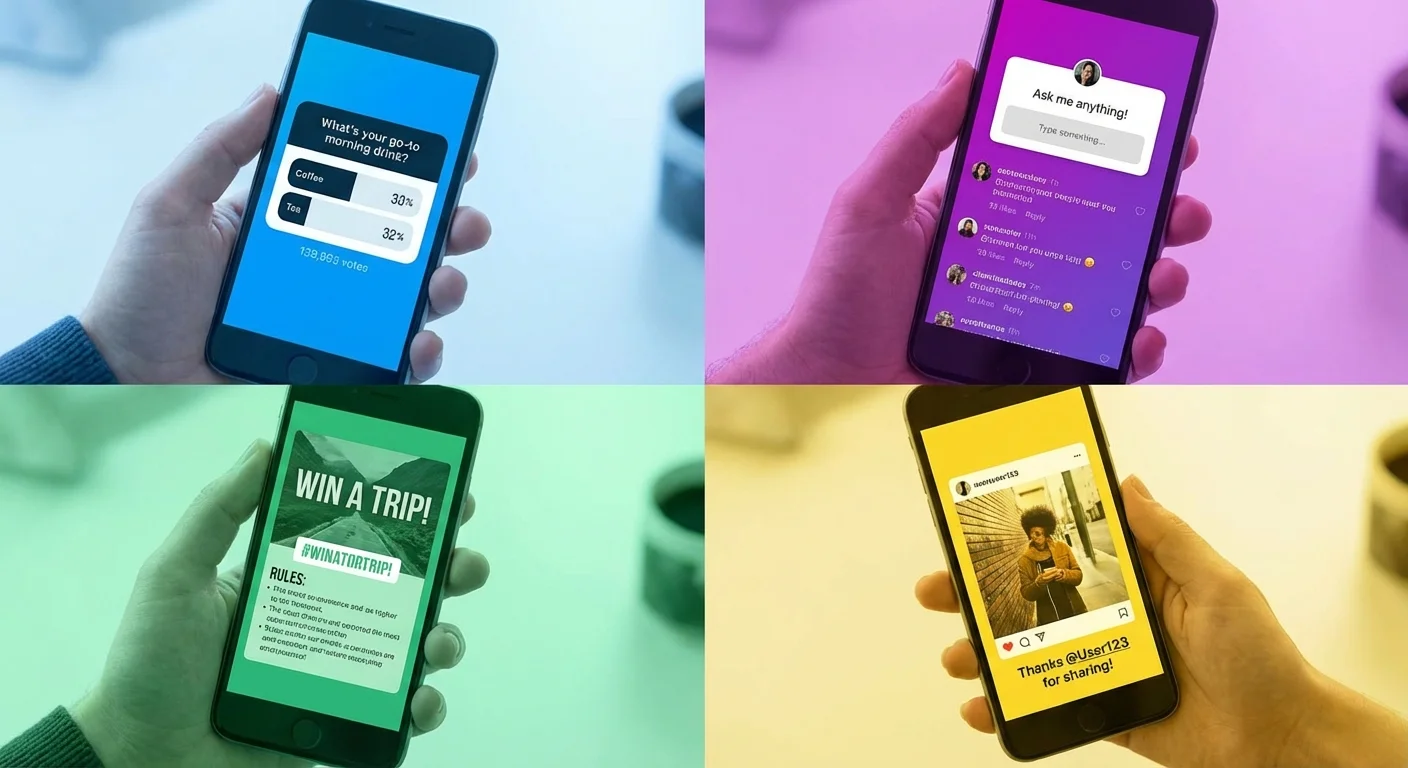
This approach builds community around your brand rather than just broadcasting messages. Engaged communities drive better organic reach because platform algorithms favour content that generates discussion.
Strategy 4: Maintain Consistent Publishing Momentum
Sporadic posting kills social media momentum. Audiences forget about brands that disappear for weeks, and algorithms deprioritise accounts with irregular activity.
Consistency doesn’t mean posting daily. It means posting predictably. Whether that’s twice per week or every other day, stick to your schedule.
Content Planning Systems That Work
Editorial calendars prevent last-minute scrambling for content ideas. Plan content themes by month, specific posts by week. This systematic approach ensures you’re not just filling slots but building towards larger marketing objectives.
Consider how your social media calendar connects to your broader content strategy. Blog posts can become multiple social media posts. Product launches need sustained promotion across weeks, not single announcements.
This strategic approach to content planning aligns with SEO content optimisation principles – consistent, quality content performance better than sporadic posting.
Strategy 5: Test, Measure, and Optimise Everything
Social media success comes from systematic testing, not guesswork. Every post is a data point that informs future strategy.

Track metrics that matter for your business goals:
- Engagement rates (likes, comments, shares per post)
- Reach and impressions trends over time
- Click-through rates to your website
- Conversion rates from social media traffic
- Audience growth and retention rates
What to Test and How
Test posting times, content formats, caption lengths, hashtag strategies, and visual styles. But test one variable at a time to understand what actually drives results.
Use platform analytics tools and Google Analytics to connect social media activity to website behaviour and conversions. This connection between social media and digital marketing metrics reveals which efforts actually drive business results.
Document what works and what doesn’t. Failed posts teach you as much as successful ones when you analyse why they didn’t resonate.
Connecting Social Media to Your Broader Digital Strategy
Social media doesn’t exist in isolation. It should connect seamlessly with your website, email marketing, content strategy, and paid advertising efforts.
Consider how social media traffic behaves on your website. Do visitors from Instagram engage differently than those from LinkedIn? This insight should inform both your social content strategy and your website user experience optimisation.
Social media also provides audience insights that improve other marketing channels. The content themes that perform well socially often indicate topics worth developing into detailed blog posts or broader digital marketing campaigns.
Taking Action on These Strategies
Social media success requires sustained effort and strategic thinking. You can’t just post randomly and hope for results.
Start with one or two platforms where your audience is most active. Execute these five strategies consistently before expanding to additional platforms. Quality beats quantity every time.

Remember that social media marketing works best as part of an integrated approach. When your social media efforts connect with your SEO strategy, content marketing, and paid advertising, the combined impact exceeds what any single channel can achieve.
Need help implementing these strategies effectively? Our team at PWD has helped businesses across Australia build social media presences that actually drive results. We focus on strategies that connect to real business outcomes, not just vanity metrics.
How often should I post on social media to increase visibility?
Consistency matters more than frequency. Post 2-3 times per week on a predictable schedule rather than daily posts that you can’t sustain. Platform algorithms favour consistent activity over sporadic bursts.
Which social media platforms should I focus on for better visibility?
Focus on 1-2 platforms where your target audience is most active. LinkedIn works best for B2B businesses, while Instagram and Facebook are effective for consumer brands. Master one platform before expanding.
What type of content gets the most engagement on social media?
Infographics, behind-the-scenes content, and posts that ask questions perform well. Content that provides genuine value or solves problems gets shared more than promotional posts.
How do I measure social media marketing success?
Track engagement rates, website click-throughs, and conversions from social media traffic. Focus on metrics that connect to business goals rather than just followers or likes.
Should I use hashtags to increase social media visibility?
Use hashtags strategically, not excessively. Research hashtags your target audience actually follows. 3-5 relevant hashtags work better than 20 generic ones.
Frequently Asked Questions
How often should I post on social media to increase visibility?
Consistency matters more than frequency. Post 2-3 times per week on a predictable schedule rather than daily posts that you can’t sustain. Platform algorithms favour consistent activity over sporadic bursts.
Which social media platforms should I focus on for better visibility?
Focus on 1-2 platforms where your target audience is most active. LinkedIn works best for B2B businesses, while Instagram and Facebook are effective for consumer brands. Master one platform before expanding.
What type of content gets the most engagement on social media?
Infographics, behind-the-scenes content, and posts that ask questions perform well. Content that provides genuine value or solves problems gets shared more than promotional posts.
How do I measure social media marketing success?
Track engagement rates, website click-throughs, and conversions from social media traffic. Focus on metrics that connect to business goals rather than just followers or likes.
Should I use hashtags to increase social media visibility?
Use hashtags strategically, not excessively. Research hashtags your target audience actually follows. 3-5 relevant hashtags work better than 20 generic ones.