SEO Statistics: 34+ SEO Statistics Impacting Your Business in 2026

Search engine optimisation shapes how Australian businesses connect with their customers online. The data doesn’t lie: companies that understand and act on SEO statistics dramatically outperform those that don’t.
These 34 SEO statistics reveal exactly where to focus your efforts in 2026. From Google’s algorithm updates to local search behaviour, this data will guide your digital marketing decisions and help you avoid costly mistakes.

Core SEO Performance Statistics
Google dominates the search landscape with 79% of all web search traffic. Bing follows at 7.27%, Baidu at 6.55%, and Yahoo at 5.06%. This means your SEO strategy must prioritise Google’s ranking factors above all else.
The first page of search results captures 92% of all clicks. Even more striking: 32% of all clicks go to the very first result. These numbers highlight why ranking improvements matter so much for your business.
Here’s what smart marketers know: 60% credit SEO as their primary driver of online success. Even better, 82% of businesses report positive results from their SEO efforts. This success translates into budget allocation – companies now dedicate an average of 41% of their marketing spend to SEO services.
Investment in link building has reached serious levels, with 34% of companies spending over $1,000 monthly on this single tactic. Why? Because organic results capture 70% of clicks, while PPC ads only get 30%.
Local SEO Statistics That Drive Sales
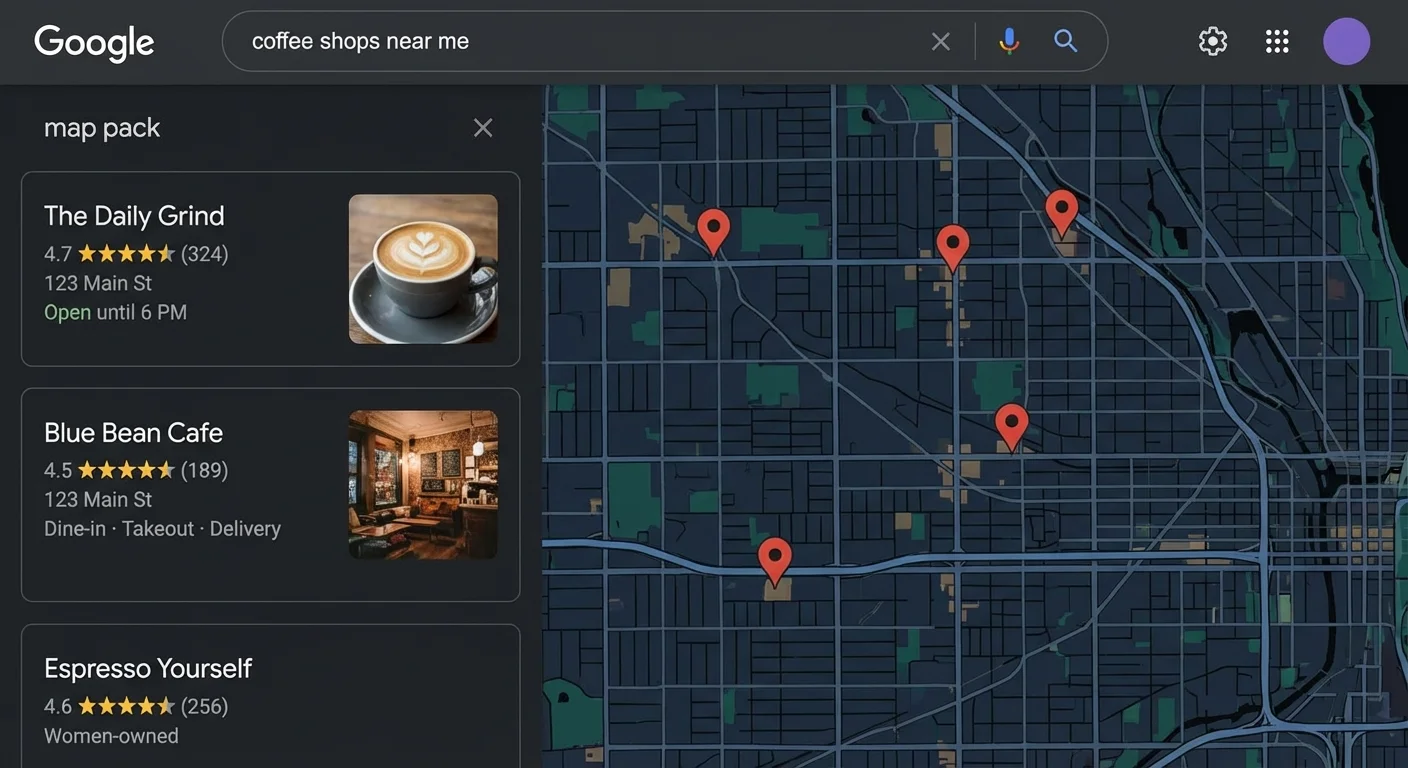
Local search presents massive opportunities that most businesses ignore. Only 44% of local businesses have claimed their Google My Business listing. This oversight costs them dearly.
Consider these local search conversion rates:
- 46% of all Google searches have local intent
- 28% of local searches result in purchases
- 72% lead to physical store visits
- 78% convert to offline sales
These numbers show why local SEO delivers such strong ROI. Google’s Pigeon update prioritises businesses near the searcher, making location-specific optimisation essential for competitive markets.
Google Algorithm and Search Behaviour Data
Google processes 76,282 searches every second. That equals 7 billion daily searches and 2.4 trillion yearly. Your potential customers are searching right now.
However, 31-41% of desktop searches end without any clicks. Users often find their answers directly in search results through featured snippets and knowledge panels. This doesn’t reduce your need for visibility – it increases it.
Google updates its algorithm 500-600 times annually. Most changes are minor, but staying current with SEO best practices remains essential for maintaining rankings.
Trust continues growing in online information, with 70% of users now trusting content they find through search. This trust translates into business value when you consistently provide accurate, helpful content.
Content Marketing SEO Statistics
Content creation ranks as the top traffic generation strategy according to 57% of SEO professionals. Social media marketing and backlinks follow as second and third priorities.
Fresh content delivers measurable results. Updating existing pages with new information and images increases organic traffic by 111.3%. Search engines reward sites that regularly publish new content with 434% better indexation rates.
Page length matters for rankings. First-page results average 1,890 words of content. Longer content performs better because it typically covers topics more thoroughly and satisfies user intent more completely.
Relevance drives success in 72% of SEO campaigns. Your content marketing must align with your audience’s needs and industry trends to build natural backlinks and authority.
Keyword Research and Search Query Data
Long-tail keywords account for 50% of organic searches. Users increasingly search with four or more words to find specific solutions. Long-tail keywords also generate 3-5% higher click-through rates than broad terms.
Only 8% of searches use question format. Most users prefer direct keywords like “best pizza Melbourne” instead of “where can I find the best pizza in Melbourne?”
Search volume concentrates heavily: just 0.67% of all keywords generate 60.67% of search volume. Meanwhile, 92.42% of keywords receive ten or fewer monthly searches. This distribution makes thorough keyword research essential for identifying high-opportunity terms.
Understanding these patterns helps you develop more effective content optimisation strategies that target actual search behaviour rather than assumptions.
Video Content SEO Performance

Video content increases your chance of first-page rankings by 53%. Search engines and users both prefer pages with video because it increases time on page and demonstrates content quality.
Daily video consumption continues rising. Users now watch an average of 100 minutes of online video daily. Executive audiences particularly favour video, with 59% preferring video over text for information consumption.
Video content attracts significantly more backlinks than text-only pages. Sites with video content see 157% increases in search traffic through improved link acquisition and social sharing.
Message retention improves dramatically with video. Viewers retain information 9 times more effectively from video than text. This improved retention leads to higher conversion rates and brand recall.
YouTube ranks as the second-largest search engine globally. Optimising for YouTube SEO requires focus on engagement metrics: comments, shares, likes, and watch time. First-page YouTube videos average 14 minutes and 50 seconds in length.
Mobile and Technical SEO Statistics
Mobile search behaviour differs significantly from desktop. Mobile users show higher local intent and expect faster loading times. Google’s mobile-first indexing makes mobile optimisation non-negotiable.
Page speed directly impacts rankings and conversions. A one-second delay in page load time reduces conversions by 7%. Users expect pages to load in under three seconds, with many abandoning slower sites.
Technical SEO forms the foundation of ranking success. Without proper technical optimisation, even excellent content struggles to rank well. Our technical SEO guide covers the essential elements every website needs.
Link Building and Authority Statistics
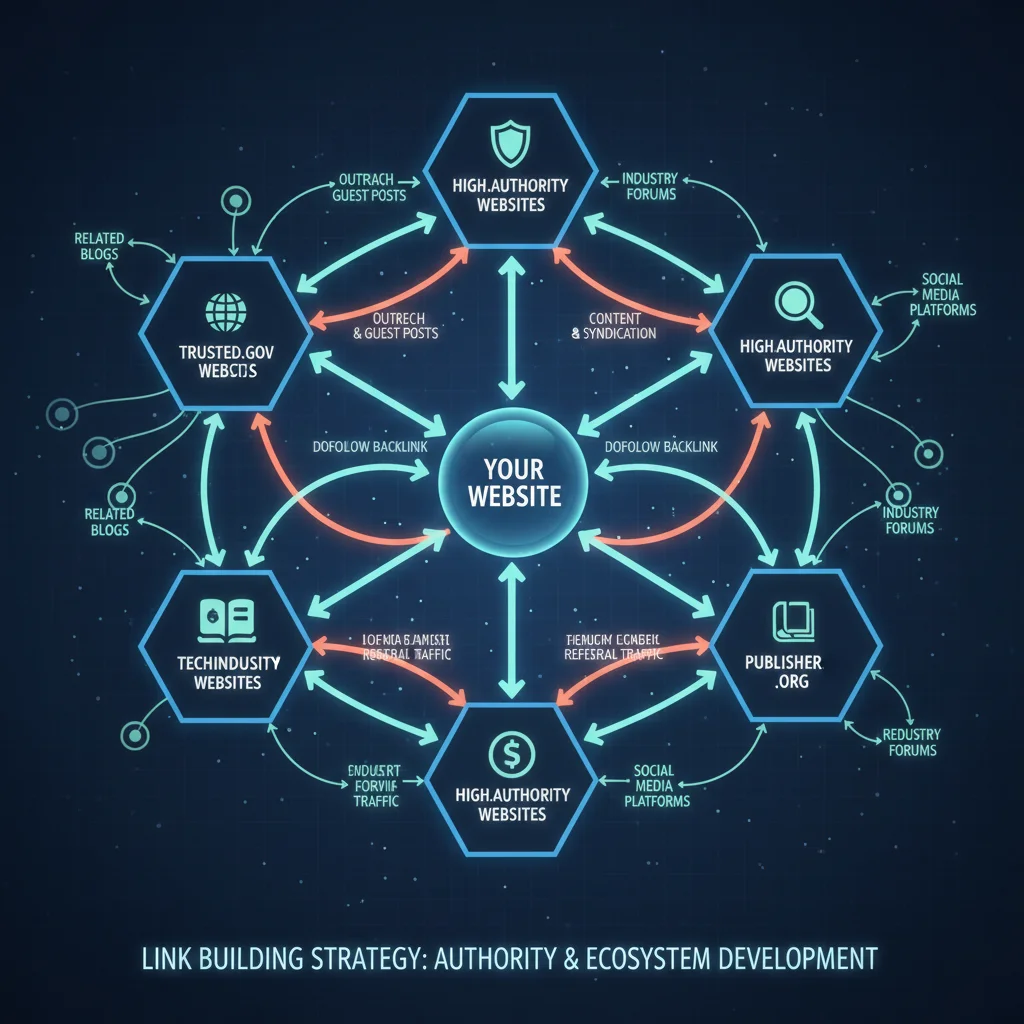
Backlinks remain a top-three ranking factor. Pages with more high-quality backlinks consistently outrank competitors with similar content but fewer links.
Link building investment has grown substantially. Companies recognise that quality links drive both rankings and referral traffic. The most effective approach combines multiple link building strategies rather than relying on single tactics.
Domain authority correlates strongly with search visibility. Higher-authority sites rank more easily for competitive keywords and recover faster from algorithm updates. Building authority requires consistent effort over months and years, not weeks.
Internal linking also impacts rankings significantly. Well-structured internal links help search engines understand your site architecture and distribute page authority effectively throughout your website.
Industry-Specific SEO Performance
Different industries see varying SEO performance levels. Healthcare, legal, and financial services face stricter content standards but often enjoy higher conversion values from organic traffic.
E-commerce sites benefit enormously from SEO optimisation. Product page optimisation, category structure, and technical performance directly impact revenue. Our e-commerce SEO tips address the unique challenges online retailers face.
Service-based businesses often see faster SEO results than e-commerce sites because they typically target less competitive keywords with clearer local intent.
ROI and Performance Measurement
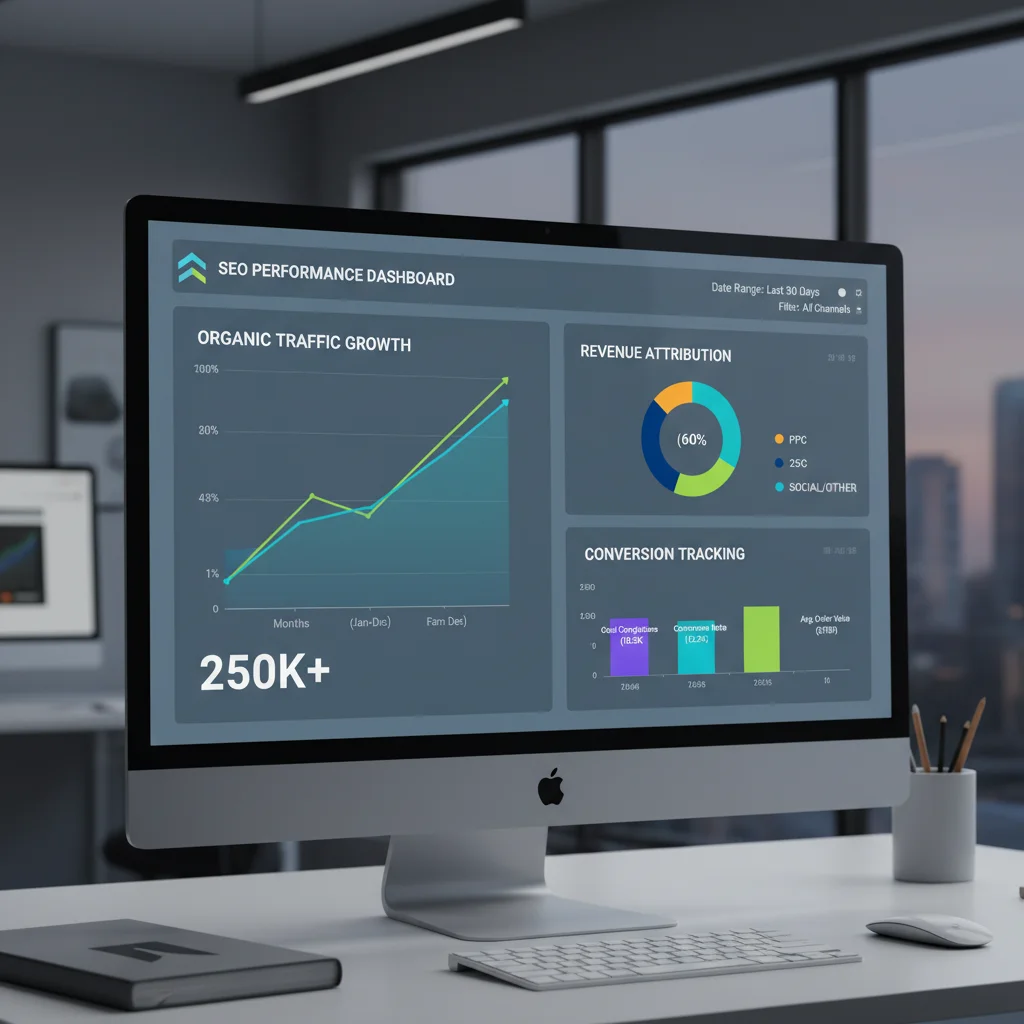
SEO delivers measurable returns when properly tracked. The most successful campaigns focus on revenue-generating keywords rather than vanity metrics like total keyword rankings.
Tracking the right digital marketing metrics helps you optimise your SEO investment. Focus on organic traffic growth, conversion rates, and keyword ranking improvements for terms that drive business value.
Long-term SEO investment outperforms paid advertising for sustainable growth. While PPC delivers immediate traffic, SEO builds compound value that continues growing over time.
What These Statistics Mean for Your Business
These SEO statistics paint a clear picture: organic search remains the most valuable digital marketing channel for most businesses. Success requires understanding user behaviour, creating valuable content, and maintaining technical excellence.
The data shows that businesses investing in professional SEO services see consistently better results than those attempting DIY approaches. The technical complexity and time requirements make professional support valuable for most companies.
Start with the basics: claim your Google My Business listing, optimise your website’s technical foundation, and create content that serves your audience’s needs. Build on these fundamentals with advanced tactics like video content and strategic link building.
Remember that SEO success takes time. The statistics show that consistent effort over months and years delivers the best results. Companies that treat SEO as a long-term investment rather than a quick fix see the strongest performance improvements.
Frequently Asked Questions
How long does SEO take to show results?
Most businesses see initial SEO improvements within 3-6 months, with significant results typically occurring after 12-18 months of consistent effort.
What percentage of clicks go to the first page of Google?
92% of all search traffic goes to websites ranking on the first page of Google search results, with 32% going to the top result alone.
How much should businesses spend on SEO?
Companies typically allocate 41% of their digital marketing budget to SEO, with 34% spending over $1,000 monthly on link building alone.
Do local searches convert to sales?
Yes, 28% of local searches result in purchases, and 78% of local searches with location information lead to offline conversions.
How often does Google update its algorithm?
Google makes 500-600 algorithm changes annually, though most are minor adjustments that don’t dramatically impact rankings.
Does video content help SEO rankings?
Including video on landing pages increases first-page ranking chances by 53% and generates 157% more search traffic through improved backlinks.