Why Microsoft Advertising Native Ads Deserve Your Attention in 2026

Microsoft’s Bing Native Ads represent a significant opportunity that many Australian businesses are overlooking. While competitors focus solely on Google AdWords, smart marketers are testing Bing’s native ad format and seeing click-through rates 5-7 times higher than regular display ads. These results come from real campaigns running on MSN, and the data is compelling enough to make any PPC manager take notice.
The rollout has been gradual since beta testing began in 2015, but Bing’s expansion of their ‘intent network’ and recent Bing Editor updates signal that broader availability is coming. While we wait for the Australian launch, now’s the perfect time to understand how Bing Native Ads work and prepare your campaigns for maximum impact.
What Are Native Ads and Why Bing’s Approach Matters
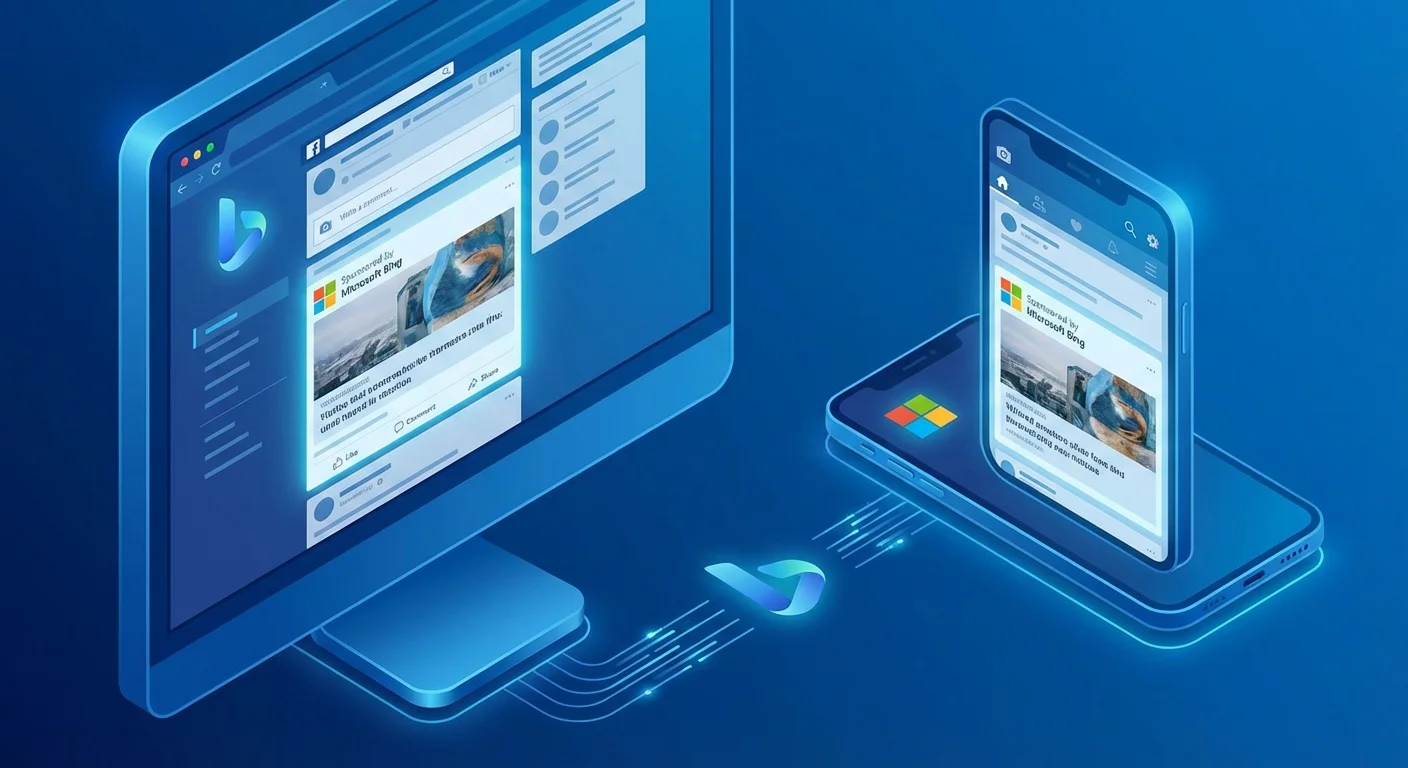
Native ads blend seamlessly with their host website’s content format. Bing’s native ads appear within MSN articles and news feeds, looking like natural content recommendations rather than obvious advertisements. The goal is serving relevant promotional content based on user behaviour without screaming “this is an ad.”
This approach works because users engage more naturally with content that doesn’t interrupt their browsing experience. Business Insider’s data shows native advertising spend increasing across all three main categories, with this growth expected to accelerate as more platforms adopt the format.
Currently, Bing native ads only appear on MSN web pages. When users click, they go directly to your chosen landing page. Don’t confuse these with sponsored content from Outbrain and Taboola – those require third-party platforms, while Bing native ads are created directly from your existing Bing Ads account.
Understanding Bing Native Ads Structure
Bing native ads contain four core elements: headline, descriptive text, destination URL, and sponsored notation. The sponsored label might seem counterproductive to native advertising, but it’s legally required and protects Bing from strict advertising regulations in various countries. Remember when BuzzFeed faced criticism for breaching UK advertising codes by not clearly marking promotional content? Bing learned from those mistakes.
You’ll pay per click just like search ads, but native ads have separate quality scores that don’t impact your search campaign performance. Tracking these metrics in Google Analytics 4 helps you evaluate native ad ROI alongside your other channels. This separation means you can test native ads without worrying about damaging existing campaign metrics.
Three Key Benefits of Bing Native Ads
Highly Engaged Audience Access
Bing reports their users spend 25% more time online than average internet searchers, with MSN reaching approximately 55 million users. This isn’t just about reach – it’s about engagement quality. When users are actively reading articles on MSN, they’re more likely to engage with relevant native ads that complement their content consumption.
Sophisticated Targeting Through Intent Signals
Bing native ads combine three powerful targeting methods:
- Intent: Analysis of past search keywords reveals what users are actively seeking
- Behaviour: User actions like product searches and website interactions inform ad placement
- Context: Ads appear within relevant MSN content sections (electronics ads in technology articles)
This targeting sophistication means your fitness supplement ads appear alongside health articles, not random content. The contextual relevance drives higher engagement rates because users see ads that match their current interests.
Simple Implementation for Search Advertisers
Unlike complex display network setups, Bing native ads work with your existing search campaigns. A few clicks enable native optimisation for current ads, or you can create dedicated native campaigns with specialised copy. This simplicity removes traditional barriers to display advertising.
Management and Performance Features
Bing integrates native ad management into their standard workflow. You get the same reporting, conversion tracking, and advertiser controls as regular campaigns. For even deeper insights, consider connecting Google Analytics with your ad campaigns to measure full-funnel performance. Advanced targeting options remain available: location, device type, time of day, day of week, and site remarketing all work with native ads.
Bing estimates high traffic volume and conversions while promising ROI similar to search ads. For businesses already seeing success with effective ad copy strategies, native ads provide another channel to reach engaged audiences.
Potential Limitations to Consider
Bing’s display reach is significantly smaller than Google Display Network. Some beta testers report limited control options, particularly around placement exclusions. The platform’s simplicity, while appealing for quick setup, can feel restrictive for advertisers wanting granular control.
However, these limitations shouldn’t discourage experimentation. Many small to medium businesses overlook Bing entirely, creating opportunities for early adopters. Our experience managing PPC campaigns shows that less competitive platforms often deliver superior cost efficiency.
Cost Advantages: Lower Competition Equals Better ROI
Bing’s CPC can be up to 33.5% cheaper than Google AdWords, with many advertisers reporting higher ROI. Search Engine Watch research shows significant CPA savings when choosing Bing over Google. Combined with native ads’ improved CTR promises, the cost efficiency becomes even more attractive.
This cost advantage exists because fewer advertisers compete on Bing. While everyone fights for Google traffic, smart marketers capture high-quality Bing users at lower costs. The math is simple: lower CPC + higher CTR + engaged audience = better campaign economics.

Implementation Guide: Setting Up Bing Native Ads
Converting Existing Search Campaigns
The fastest approach uses existing search campaigns for native placement through bid modifiers:
- Navigate to your Campaigns or Ad Groups tab
- Click your desired campaign or ad group name
- Select Settings
- Expand Advanced Settings
- Find the Native Ads option (appears when available in your region)
- Adjust bid modifiers: +900% for maximum participation, -100% to opt out
Creating Dedicated Native Ad Campaigns
For better control and native-specific copy:
- Go to Ads tab, click Create Ad
- Select Text Ad as the ad type
- Write informative copy (avoid aggressive calls-to-action)
- Check “prefer native ad format”
- Save your new campaign
Adding Visual Appeal with Image Extensions
Native ads on MSN appear alongside visual content, making image extensions essential:
- Access Campaigns page, click Ad Extensions
- Select Image Extensions from dropdown
- Choose existing images or create new extensions
- Upload images with recommended dimensions: 1200 x 628
- Ensure “prefer native ad format” is selected
MSN crops visuals to various aspect ratios (1.2:1, 4:3, 1.5:1, 16:9), so design accordingly.
Performance Tracking and Reporting
Monitor native ad performance through two reporting methods:
Quick Overview: “Native ads” summary rows appear under Campaigns, Ad Groups, Ads, and Keywords tabs.
Detailed Analysis: Use the Reports tab with these settings:
- Report type: Ad
- General settings: Summary
- Include “Ad Distribution” column
- Set desired date range
This reporting separation helps you measure native ad performance independently from search campaigns, enabling better digital marketing metrics tracking.
Optimisation Best Practices
Maximise your native ad performance with these proven tactics:
- Universal Event Tracking: Set up UET tags for remarketing capabilities. Target users who completed specific site actions with relevant native ads
- Landing Page Alignment: Ensure landing pages match ad copy and consider content context where ads appear
- A/B Testing: Test different ad copy and imagery combinations to identify top performers
- Informative Copy: Write educational, helpful content rather than aggressive sales messages
Remember that native ads appear within editorial content, so your messaging should provide value and answer potential questions. Users reading technology articles expect helpful information, not hard sales pitches.

Preparing for Australian Rollout
Bing Native Ads currently operate in beta for US advertisers, with expansion to additional markets expected soon. Australian businesses should prepare now by:
- Auditing existing Bing Ads campaigns for native compatibility
- Developing informative ad copy suited to editorial contexts
- Creating image assets in recommended dimensions
- Setting up UET tracking for remarketing readiness
If Bing Native Ads become available in your account before widespread rollout, contact a Bing representative to request beta access. Early adoption often provides competitive advantages and learning opportunities.
For businesses new to Bing advertising, consider establishing search campaigns now through PWD Digital Agency’s PPC management services. Having active Bing Ads accounts positions you for immediate native ad testing when the feature launches.
The Strategic Opportunity Ahead
Bing Native Ads represent more than just another advertising format – they’re an opportunity to reach engaged audiences at lower costs while competitors focus elsewhere. The combination of intent-based targeting, simplified management, and promising CTR performance makes these ads worth testing.
Smart digital marketing strategies include diversification beyond Google-dominated channels. Bing’s user base might be smaller, but the engagement quality and cost efficiency often compensate for reduced reach.
Start preparing your campaigns now. When Bing Native Ads launch in Australia, you’ll be ready to capitalise on this opportunity while others are still learning the basics.
Frequently Asked Questions
How do Bing Native Ads differ from Google Display ads?
Bing Native Ads blend seamlessly with MSN content and use intent signals from search behaviour for targeting, while Google Display ads appear across various websites with different targeting methods.
What makes Bing Native Ads more cost-effective than other platforms?
Bing’s CPC rates are typically 33.5% lower than Google AdWords due to less competition, and native ads show 5-7 times higher CTR than regular display ads.
Can I use my existing Bing search campaigns for native ads?
Yes, you can enable native ad eligibility for existing search campaigns by adjusting bid modifiers in your campaign settings without creating new campaigns.
What image dimensions work best for Bing Native Ads?
Bing recommends 1200 x 628 pixels for native ad images, which get cropped to various aspect ratios including 1.2:1, 4:3, 1.5:1, and 16:9 on MSN.
When will Bing Native Ads be available in Australia?
Bing Native Ads are currently in US beta with expansion planned for additional markets, though no specific Australian launch date has been announced.