Local Government Digital Transformation in 2026

The recent Federal election hiccups showed a critical gap in Australian government services. Voting delays frustrated many people. But they also highlighted a struggle that remote communities, elderly citizens, and people with disabilities have faced for decades. Western Australia, with its vast distances and scattered populations, is the perfect case study. It shows why government digital transformation isn’t just handy – it’s essential.
This opportunity goes far beyond voting systems. From birth certificates to business licenses, government services across Australia need a digital overhaul. That overhaul must put accessibility, efficiency, and user experience first. The question isn’t whether this change will happen. It’s how quickly government agencies can roll out solutions that serve all Australians well.

The Case for Digital Government Services
Traditional government service delivery creates barriers that digital solutions can remove. Think about the practical challenges: travelling hours to reach service centres, waiting in queues during business hours, or filling out complex paper forms. These hurdles hit vulnerable community members hardest – the very people who need government services most.
Digital transformation tackles these issues through smart user experience design that puts accessibility and convenience first. Modern sign-in methods – facial recognition, biometric checks, and multi-factor authentication – can actually give stronger security than traditional paper-based systems. They also make services available around the clock.
Cost Efficiency and Resource Allocation
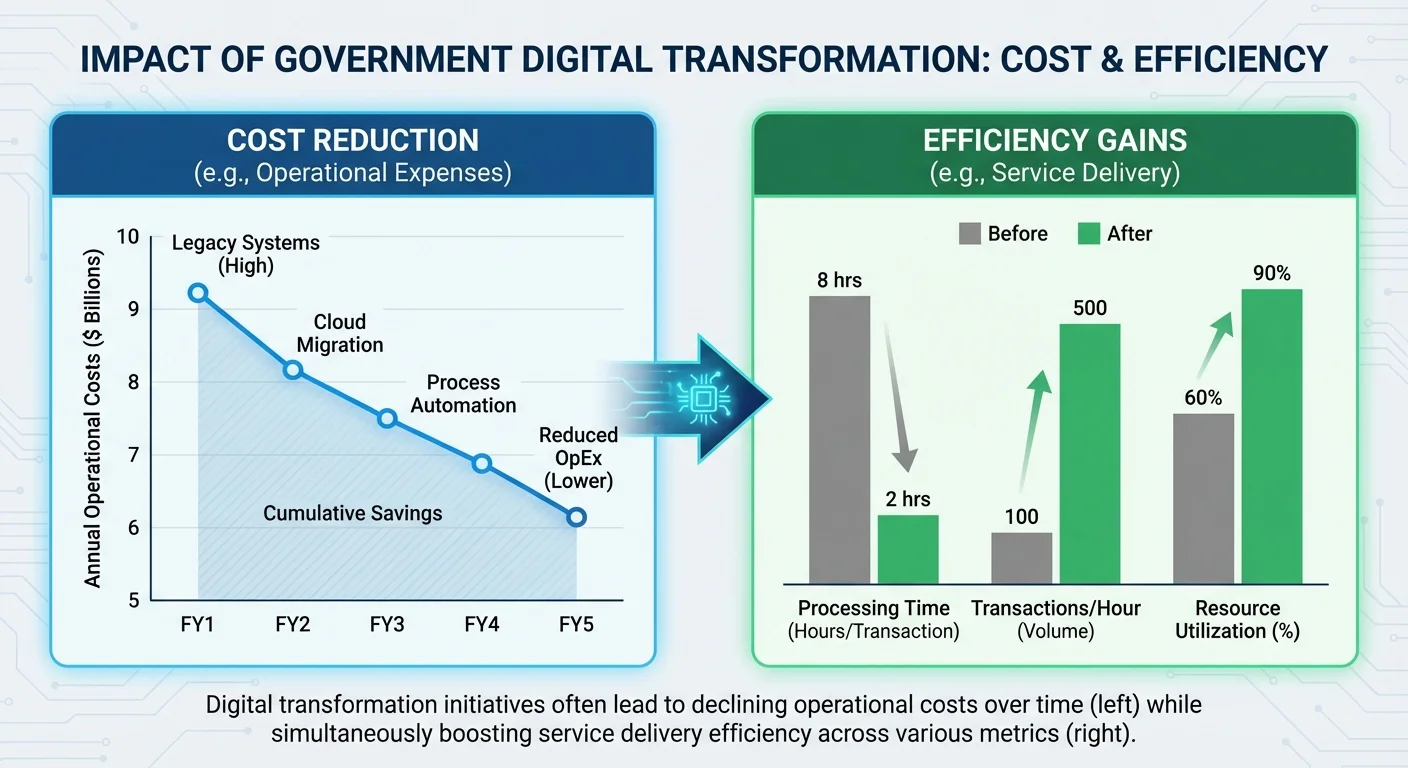
The numbers tell a clear story. The recent Federal election needed over 100,000 temporary staff members. Digital voting systems could cut this workforce greatly while improving both accuracy and speed of results. This model applies across government services – from processing licence applications to managing social service claims.
Smart digital systems cut admin costs, reduce human error, and free up government employees. Staff can then focus on complex cases that need personal attention rather than routine processing tasks.
Australia’s Digital Government Strategy
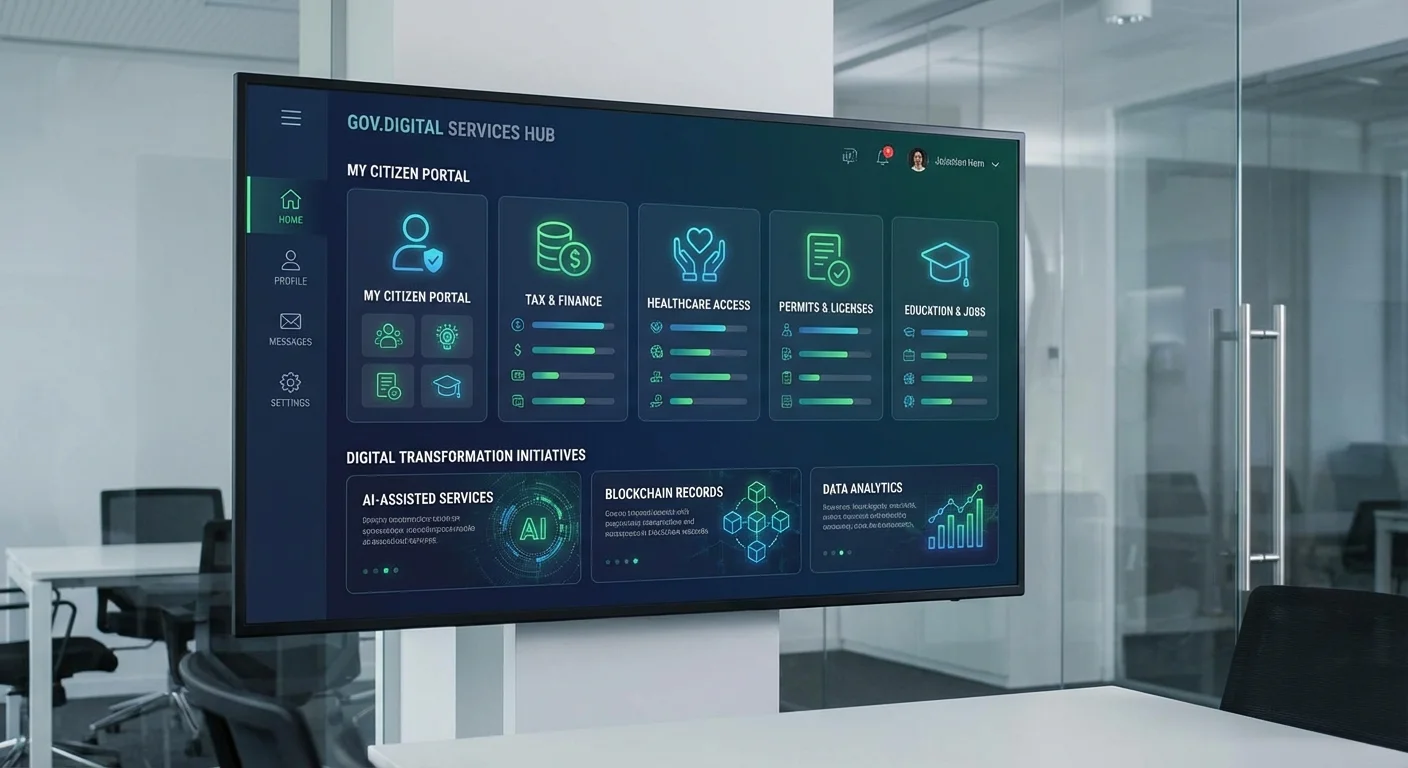
The Federal Digital Transformation Agency (DTA) set an ambitious target: making Australia one of the world’s top three digital governments by 2025. This vision centres on personalised user experiences. Services would match individual needs and life events rather than follow departmental structures.
The strategy means reorganising government services around citizen journeys. Instead of visiting separate websites for tax, health, and social services, users would access one platform. That platform would understand their situation and show relevant options right away.
Real-World Implementation Examples
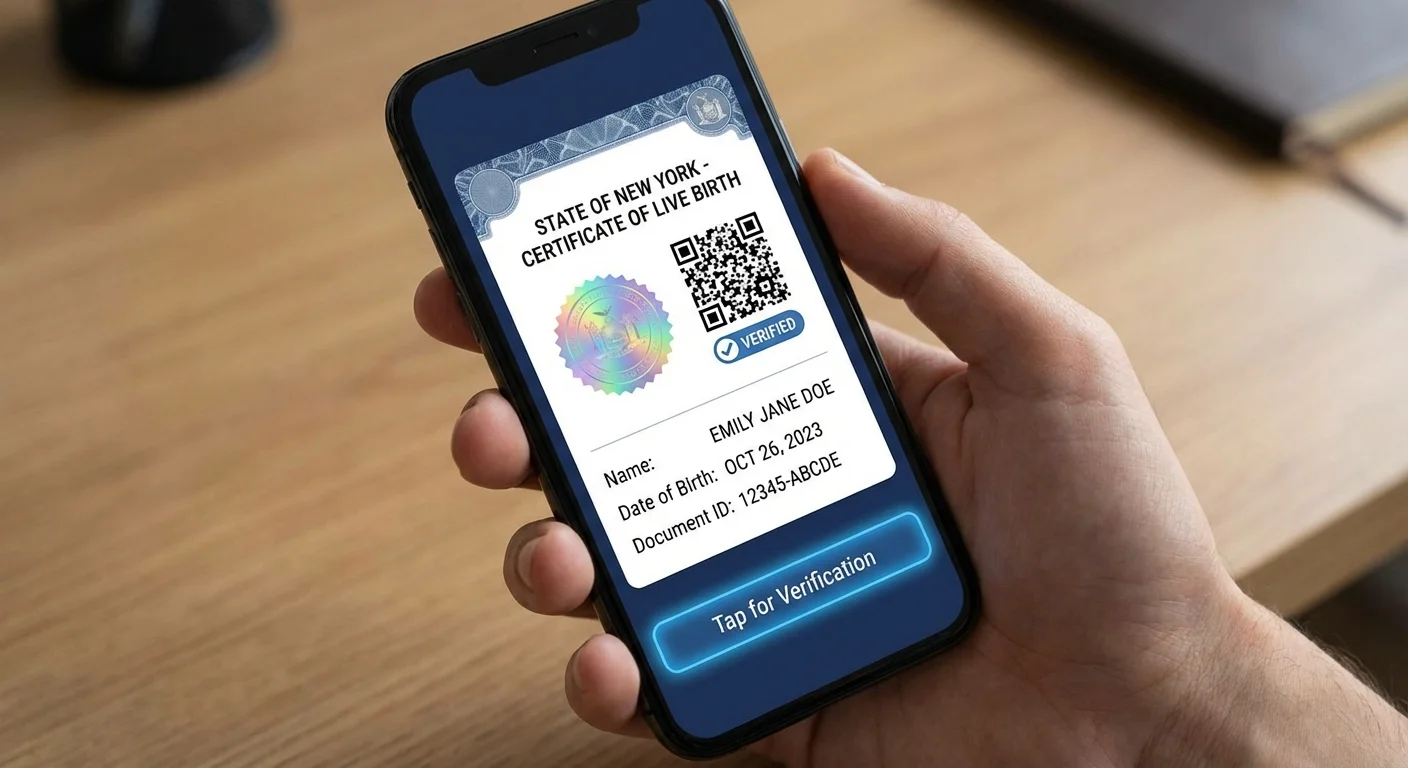
NSW is currently testing digital birth certificates – the world’s first rollout of this technology. These certificates offer better security through blockchain verification. They also give parents instant access and cut out postal delays. The system shows how technical infrastructure can improve both security and user experience at the same time.
Similar innovations are popping up across government departments. Digital driver’s licences, online business registration systems, and connected health records all point to a future where government interaction is as smooth as online banking.
Overcoming Integration Challenges
The biggest hurdle in government digital transformation is connecting different systems across federal, state, and local levels. Each government tier runs different platforms, databases, and security rules. Creating unified citizen experiences needs coordination between levels of government like never before.
Success depends on setting common technical standards while respecting each level’s independence. This approach mirrors successful content management system rollouts. In those cases, different departments keep control while sharing data through standardised APIs.
Data Security and Privacy Protection
Government digital transformation needs rock-solid security that goes beyond private sector standards. Citizens must feel confident that their personal information stays safe across all digital touchpoints. This means using end-to-end encryption, running regular security audits, and writing clear privacy policies that explain how data is used and stored.
Multi-layered security combines something you know (passwords), something you have (devices), and something you are (biometrics). Together, these create sign-in systems that are both secure and easy to use.
User Adoption and Accessibility
Digital literacy varies widely across Australian communities. Successful government digital transformation must work for users with different technical skills, disabilities, and access to modern devices. This means designing interfaces that work just as well for tech-savvy young adults as for senior citizens using basic smartphones.
User experience optimisation is critical for government services. Unlike private companies, citizens can’t just switch to an alternative provider. Government digital services must work for everyone, not just early adopters.
Building Public Trust Through Transparency
Trust in government digital systems grows through consistent positive experiences and clear communication. Citizens need to understand how their data flows through government systems, who can access it, and what safeguards protect their privacy.
Successful digital transformation also needs ongoing public education campaigns. These should show how systems are secure while highlighting the practical benefits. Citizens who understand the value are more likely to embrace digital-first government services.
Implementation Roadmap for Success
Good government digital transformation follows a phased approach. It builds user confidence step by step. Start with low-risk, high-value services like appointment booking and information requests. Then move to complex processes like tax filing or benefit applications.
Each phase should include broad user testing with diverse community groups. Focus especially on accessibility needs and digital literacy levels. This approach makes sure new systems actually improve citizen experiences rather than creating new barriers.
Measuring Success and Continuous Improvement
Digital transformation success needs solid metrics beyond simple adoption rates. Key measures should include service completion times, user satisfaction scores, accessibility compliance ratings, and cost savings.
Regular user feedback and system performance monitoring enable ongoing improvements. These keep government digital services relevant and effective as citizen needs change over time.

The Future of Government-Citizen Interaction
Looking ahead, government digital transformation will likely bring in artificial intelligence for personalised service suggestions. It will also use predictive processing for common requests and connected communication channels. These will let citizens interact with government through their preferred platforms.
The goal isn’t just putting existing processes online. It’s rethinking how government serves citizens in a connected world. This transformation needs strategic digital approaches that put user needs first. At the same time, it must keep the accountability and accessibility that citizens expect from public services.
For organisations planning their own digital transformation, government projects offer useful lessons. They show how to manage complex stakeholder needs, meet accessibility standards, and build systems that serve diverse user groups well.
Ready to explore digital transformation for your organisation? PWD Digital Agency helps businesses and government bodies design and build user-focused digital solutions that deliver measurable results.
Frequently Asked Questions
What is government digital transformation?
Government digital transformation means converting traditional paper-based government services into digital platforms. Citizens can access these online at any time, which improves both accessibility and efficiency.
How secure are digital government services?
Modern digital government services use multi-factor authentication, encryption, and biometric checks. These provide stronger security than traditional paper-based systems.
What are digital birth certificates?
Digital birth certificates are secure, blockchain-verified documents. They give instant access and better security than traditional paper certificates. NSW is currently testing them.
How does digital voting work?
Digital voting uses secure sign-in methods like biometric checks and encryption. These let citizens vote remotely while keeping ballots secure and accurate.
What is Australia’s digital government goal?
Australia aims to become one of the world’s top 3 digital governments by 2025. The focus is on personalised services built around citizen needs rather than departmental structures.
How do government digital services help remote communities?
Digital government services remove the need to travel. They also provide access around the clock. This especially helps remote Australian communities who previously faced major barriers when accessing government services.