
Advanced Link Building Tactics to Boost Your Rankings in 2026

Links remain the backbone of Google’s ranking algorithm. Think of each link as a vote of confidence – the more quality votes your site receives, the higher it climbs in search results. But the days of building thousands of spammy links and ranking overnight are long gone. Today’s SEO demands smarter, more strategic approaches that focus on quality over quantity.
The data doesn’t lie. Moz’s research reveals a strong correlation between external links and rankings, with 99.2% of top-ranking pages having at least one quality backlink. Pages that rank higher consistently have more authoritative links pointing to them. At PWD Digital Agency, we’ve seen these principles in action across hundreds of client campaigns since 2007.
Traditional link building tactics like directory submissions and article spinning won’t move the needle anymore. Google’s algorithms are sophisticated enough to spot and penalise these outdated methods. So how do you build quality links that actually improve your rankings? Here are the advanced tactics that deliver real results.
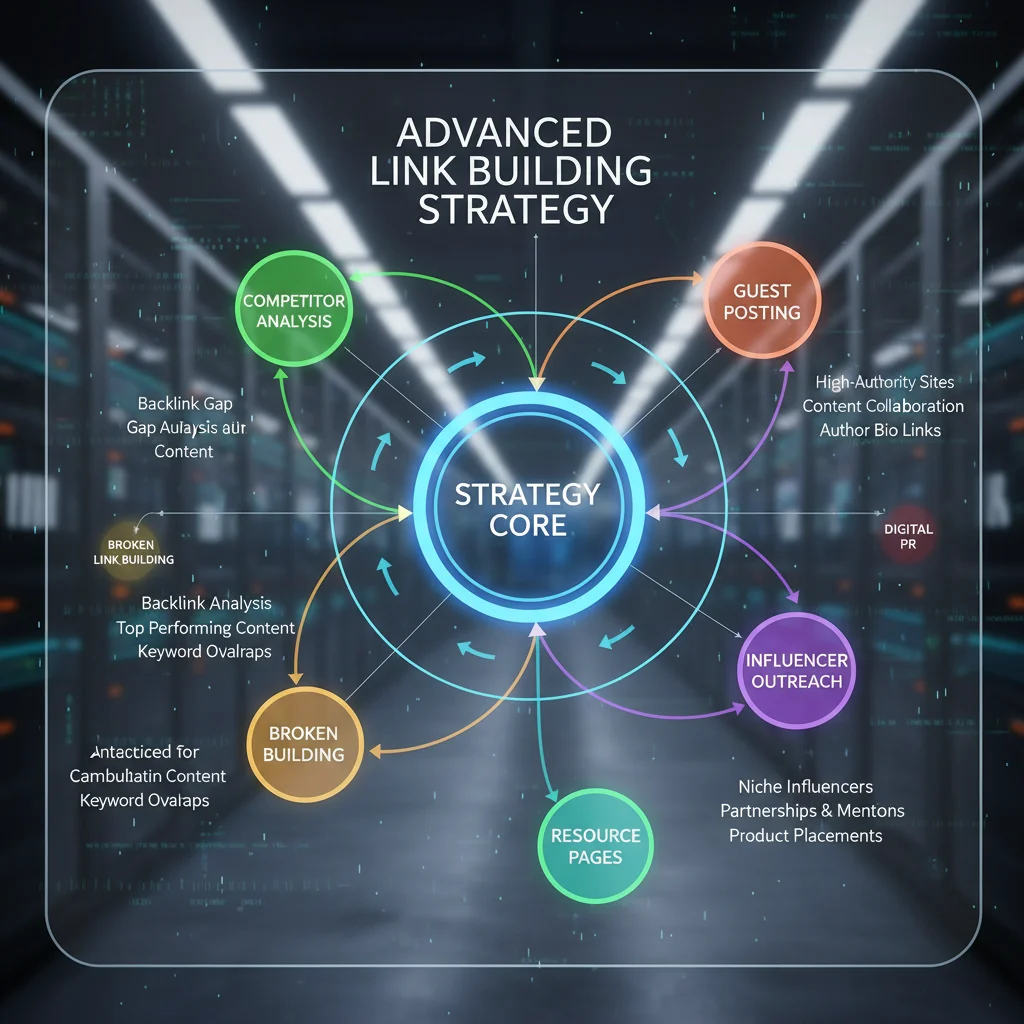
Competitor Link Analysis: Your Roadmap to Link Opportunities
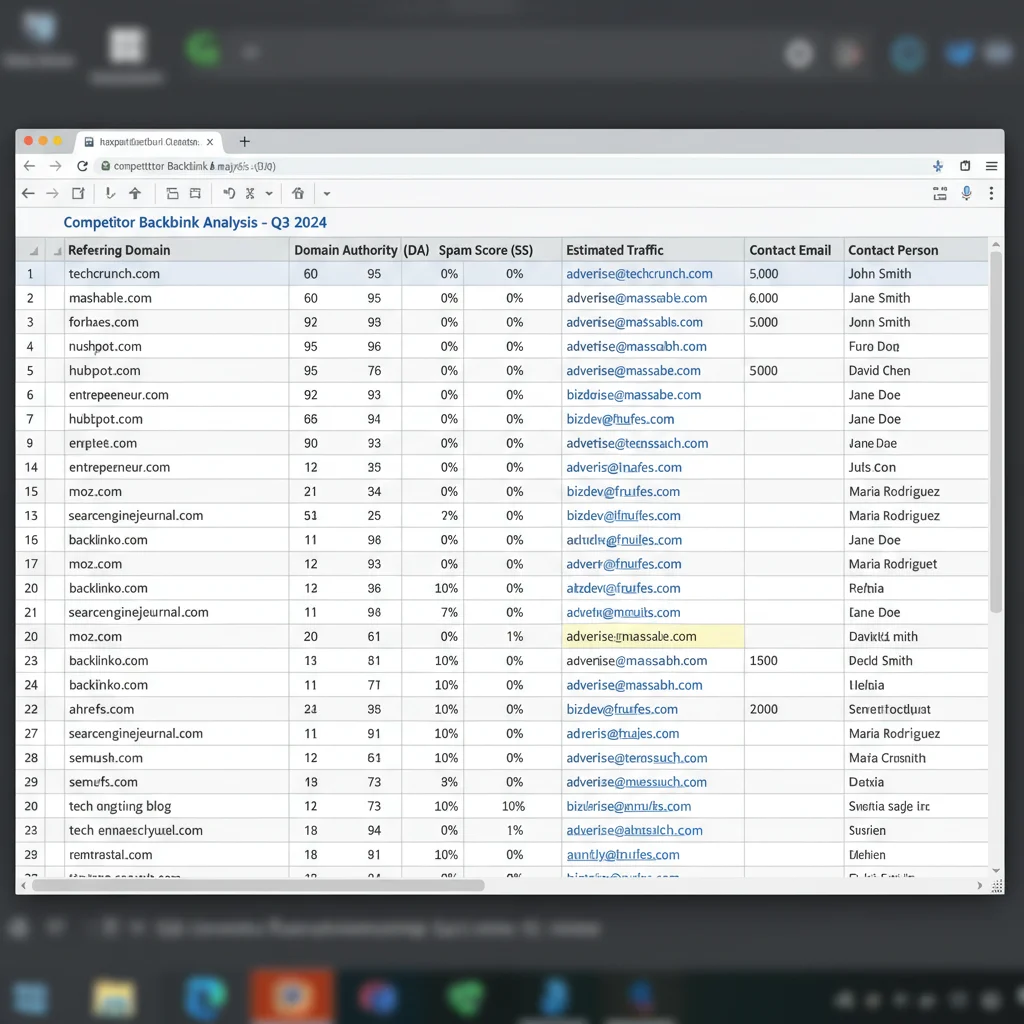
Your competitors are already showing you where to find quality links. Every site ranking above you has earned its position through strategic link building – and you can reverse-engineer their success.
Start by identifying your top 5-10 competitors in the search results. Use tools like Ahrefs or SEMrush to analyse their backlink profiles. Look for patterns in their link sources. Are multiple competitors getting links from the same industry publications? Those are your high-priority targets.
What to Look For in Competitor Analysis
- Domain authority of linking sites: Focus on sites with DA 30+ for maximum impact
- Relevance to your industry: Industry-specific links carry more weight than generic ones
- Link placement: Editorial links within content outperform footer or sidebar links
- Anchor text diversity: Natural link profiles use varied anchor text
Create a spreadsheet tracking these opportunities. Note the contact information for each potential link source and any specific content requirements they might have. This becomes your outreach pipeline for the coming months.
Strategic Guest Posting: Quality Over Quantity
Guest posting remains one of the most effective link building strategies when executed properly. The key is finding authoritative sites in your niche that accept high-quality content contributions.
Don’t just search for “write for us” pages. The best opportunities often come from building relationships with site owners and editors first. Follow industry publications, engage with their content on social media, and position yourself as a knowledgeable contributor before pitching.
Finding Quality Guest Post Opportunities
- Use Google search operators: “your industry” + “guest post guidelines”
- Check where your competitors have published guest content
- Follow industry influencers and note where they contribute content
- Join professional associations that have member publication opportunities
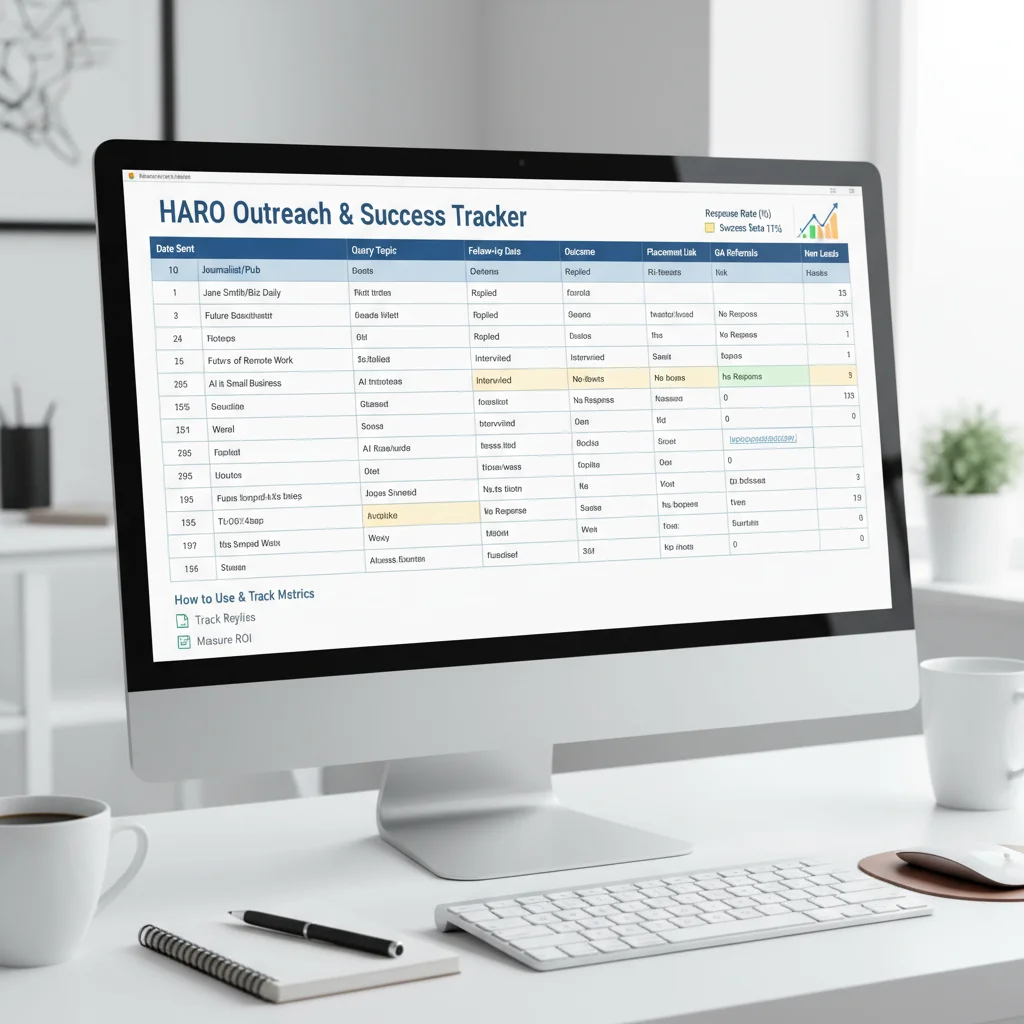
When pitching guest posts, personalise every outreach email. Reference specific articles they’ve published recently and explain how your proposed content would add value to their audience. Generic pitches get ignored – personalised ones get responses.
Guest Post Content That Gets Accepted
Your guest post content needs to be genuinely valuable, not thinly veiled promotion. Share actionable insights, case studies with real data, or unique research findings. The goal is to provide so much value that readers naturally want to learn more about your business.
Structure your content for maximum impact. Start with a compelling hook, provide actionable advice throughout, and include relevant examples. Keep promotional content minimal – one or two contextual links to your site are far more effective than obvious self-promotion.
Influencer Relationship Building: The Long Game
Building genuine relationships with industry influencers creates link opportunities that can’t be bought or gamed. These relationships take time to develop but produce the highest-quality links that stand up to algorithm changes.
Start by identifying key voices in your industry. Look beyond just social media followers – find people who actually influence purchasing decisions and industry conversations. These might be trade publication editors, conference speakers, or respected consultants.
Building Authentic Industry Relationships
- Engage genuinely: Comment thoughtfully on their content, share their posts with your insights added
- Provide value first: Share relevant opportunities, make introductions, offer your expertise
- Meet in person: Attend industry events and conferences where you can build face-to-face connections
- Collaborate on content: Propose joint research projects or expert roundup posts
Remember, you’re building relationships, not collecting contacts. Focus on a smaller number of meaningful connections rather than casting a wide net. These relationships often lead to the most valuable link opportunities – editorial mentions in industry publications, speaking opportunities that include bio links, and collaborative content projects.
Data-Driven Link Building: The HARO Method
Help a Reporter Out (HARO) connects journalists with expert sources. By providing thoughtful, data-backed responses to journalist queries, you can earn high-authority links from major publications.
Success with HARO requires speed and substance. Journalists work on tight deadlines, so respond quickly with detailed, quotable answers. Include relevant statistics, case studies, or unique insights that make their articles stronger.
HARO Response Best Practices
- Respond within hours of the query being sent
- Provide specific, actionable information rather than generic advice
- Include your credentials and relevant experience upfront
- Format responses for easy copying and pasting
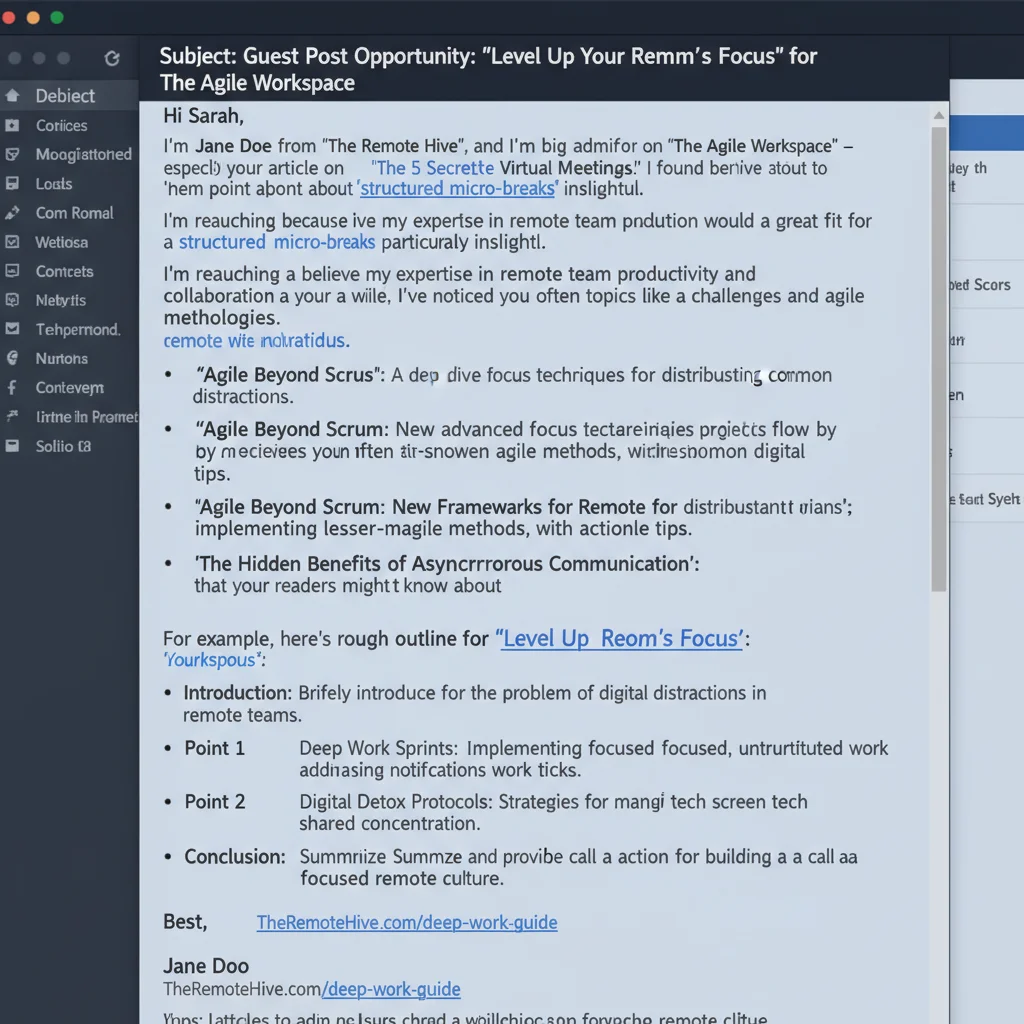
Track your HARO success rate and note which types of queries get the best results. Over time, you’ll develop a feel for which opportunities are worth pursuing and how to craft responses that get noticed.
Resource Page Link Building
Many websites maintain resource pages linking to helpful tools, guides, and industry information. These pages exist specifically to provide value to visitors, making them ideal targets for quality link building.
Find resource pages using search operators like “industry keyword” + “useful links” or “industry keyword” + “resources”. Look for pages that are regularly updated and include links to content similar to what you offer.
Crafting Effective Resource Page Outreach
When reaching out to resource page maintainers, explain clearly why your content deserves inclusion. Highlight what makes your resource unique or particularly valuable. Point out any outdated links they might want to replace with your fresh content.
Keep these emails concise and focused. Site owners are busy, so make it easy for them to understand your request and take action. Include the exact anchor text and URL you’d like them to use.
Broken Link Building That Actually Works
Broken link building involves finding broken links on relevant websites and suggesting your content as a replacement. This strategy works because you’re solving a problem for the website owner while earning a quality link.
Use tools like Check My Links (Chrome extension) or Ahrefs’ broken link checker to find dead links on target websites. Focus on resource pages, blog posts, and industry directories where broken links are most likely to be replaced quickly.
Making Broken Link Outreach Effective
- Be genuinely helpful – point out the broken link even if you don’t have a replacement
- Ensure your suggested content closely matches the original broken link
- Suggest multiple replacement options, not just your own content
- Follow up politely if you don’t hear back within a week
This approach requires patience and genuine helpfulness. The best broken link builders focus on providing value first, with the link opportunity as a secondary benefit.

Measuring Link Building Success
Track your link building efforts using multiple metrics to understand what’s working. Domain authority improvements, referring domain growth, and keyword ranking improvements all indicate successful link building campaigns.
Monitor key SEO metrics monthly to spot trends in your link building performance. Pay attention to the quality of traffic coming from new referral sources – high-quality links should drive engaged visitors who convert at reasonable rates.
Remember that link building is a long-term strategy. While some improvements may be visible within weeks, the full impact of quality link building campaigns typically becomes apparent over 3-6 months of consistent effort.
Quality link building requires strategy, patience, and genuine relationship building. Focus on earning links from relevant, authoritative sites in your industry rather than pursuing quick wins that might backfire. The tactics outlined here have proven effective across diverse industries and continue to deliver results as search algorithms evolve. If you need help implementing these strategies, our team has successfully executed link building campaigns for Australian businesses across every major industry.
Frequently Asked Questions
How long does it take to see results from link building?
Most businesses see initial ranking improvements within 3-6 months of consistent link building. However, the full impact of quality links can take 6-12 months to materialise fully.
How many links do I need to rank higher?
Quality matters more than quantity. A few high-authority, relevant links often outperform dozens of low-quality links. Focus on earning 2-5 quality links per month rather than pursuing volume.
Are paid links worth the risk?
Paid links violate Google’s guidelines and can result in penalties. Focus on earning links through valuable content, relationships, and genuine outreach rather than purchasing them.
What makes a link high-quality?
High-quality links come from authoritative, relevant websites in your industry. They’re placed naturally within content, use varied anchor text, and come from sites that Google trusts.
Should I focus on dofollow or nofollow links?
Prioritise dofollow links for SEO impact, but don’t ignore nofollow links entirely. A natural link profile includes both types, and nofollow links can still drive valuable traffic and brand exposure.
How do I know if my link building is working?
Monitor metrics like domain authority growth, referring domain increases, keyword ranking improvements, and organic traffic growth. Use tools like Google Search Console and Ahrefs to track progress.