Why PPC Best Practices Aren’t Always the Best in 2026

Every Google Ads expert has heard the phrase “follow best practices” countless times. But here’s what managing PPC campaigns since 2007 has taught us at PWD: blindly following conventional wisdom can actually hurt your performance.
Best practices exist for good reason – they work in most situations. However, your business isn’t “most situations.” Your industry, audience, and objectives are unique. What works for a multinational corporation might fail spectacularly for a local service business in Melbourne.
We’ve identified six scenarios where conventional PPC wisdom falls short. Understanding when and why to break these rules will help you make better decisions for your campaigns.
Why Broad Match Keywords Aren’t Always the Enemy
Ask any PPC expert about broad match keywords, and you’ll likely get a lecture about wasted spend. Broad match triggers ads for loosely related searches, often resulting in irrelevant clicks that drain your budget without generating customers.
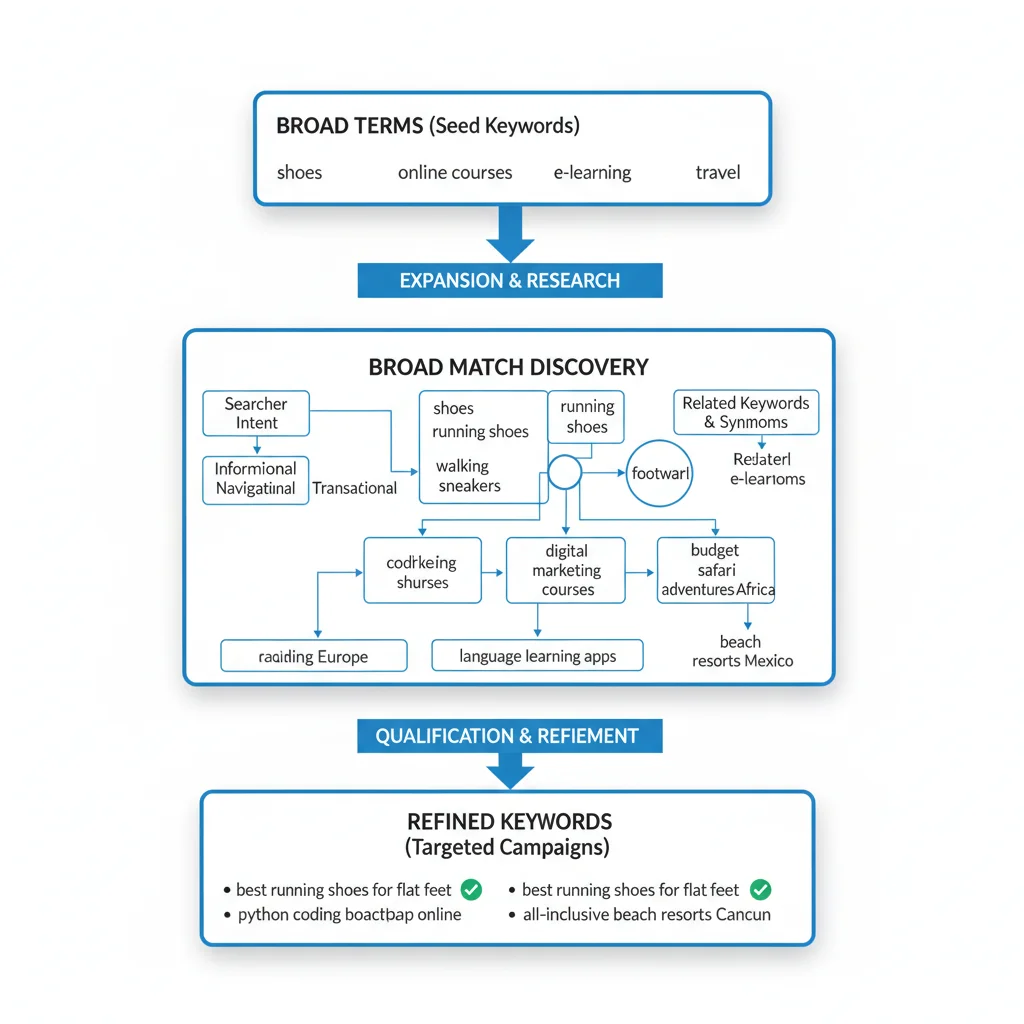
But there’s a time and place for broad match – especially during the research phase of new campaigns. When launching ads for a new client, we often start with broad match to uncover search patterns we hadn’t considered. This approach reveals valuable keyword opportunities that tight match types would miss entirely.
The key is treating broad match as a discovery tool, not a long-term strategy. Run it for 2-4 weeks, analyse the search term reports, then transition to more precise match types based on actual data rather than assumptions.
The Hidden Value of “Non-Performing” Keywords
Standard practice says to pause keywords that don’t convert. After all, why pay for clicks that don’t generate sales? This logic seems bulletproof until you dig deeper into attribution data.
Many keywords that appear worthless are actually assisting conversions throughout the customer journey. That expensive generic term might not close sales directly, but it introduces your brand to prospects who convert through other channels later.
Before axing underperforming keywords, check their assisted conversion value in Google Ads. Look at the attribution models beyond last-click. You might discover that “waste” is actually working harder than you realised. Understanding these metrics is essential for making informed optimisation decisions.
Rethinking Day-of-Week and Time-of-Day Optimisation
The conventional approach to scheduling seems logical: analyse conversion data, identify low-performing time periods, then pause ads or reduce bids during those windows. If your business closes on weekends, surely weekend ads are pointless?
Not necessarily. We’ve seen this strategy backfire for service-based clients who eliminated weekend advertising. Their Monday morning call volume dropped significantly.
The reason? People research services when it’s convenient for them, not when you’re open for business. Sunday evening is prime planning time for busy professionals preparing for the week ahead. By going dark on weekends, you’re invisible during key research moments.
Instead of cutting weekend spend entirely, adjust your approach. Create different ad messaging for after-hours searchers – offer downloadable resources, online booking, or callback requests. Stay visible when competitors aren’t.
When ROAS Bidding Actually Reduces Conversions
Return on Ad Spend (ROAS) bidding seems like the ultimate automation tool for ecommerce sites. Set your target return, let Google’s algorithms optimise bids, and watch profits roll in. The reality is more complicated.
ROAS bidding works best with predictable patterns – consistent average order values, stable seasonal trends, and reliable keyword performance. But many businesses don’t fit this model.
Consider a business that typically sees £50 sales but occasionally closes £2,000 deals. The keywords driving those large sales vary monthly, making historical data unreliable for future bidding decisions. ROAS algorithms struggle with this unpredictability.
For businesses with volatile order values, Target CPA bidding often outperforms ROAS. By focusing on conversion volume rather than revenue patterns, you capture more opportunities at your acceptable cost per acquisition. Smart bidding strategies require careful consideration of your specific business model.
Location Targeting Needs a Mobile-First Rethink
Traditional location targeting focuses on where customers live or work. Service businesses target suburbs within their delivery radius. This made perfect sense when people searched from desktop computers at home or office.
Mobile search changed everything. Your ideal customer might be researching cleaning services during their train commute, not from their living room. GPS accuracy means we know exactly where someone searches from, creating new opportunities for smarter targeting.
The Commuter Strategy
Instead of only targeting residential areas, consider these locations for service businesses:
- Major train stations and bus stops during peak hours
- Shopping centres and business districts during lunch breaks
- University campuses for student-focused services
- Airport terminals for returning travellers
Run separate campaigns for commuter locations with weekday scheduling, then maintain residential targeting for evenings and weekends. This approach captures intent when and where it actually occurs.
The Plural vs Singular Keyword Dilemma
Grouping singular and plural keyword variations seems efficient. After all, “wedding photographer” and “wedding photographers” target the same intent, right? The data often tells a different story.
Plural and singular searches can indicate different buyer stages. “Wedding photographer” might attract couples actively booking services, while “wedding photographers” suggests early research and comparison shopping. These different intents warrant different conversion rates and bidding strategies.
Before combining these variations, analyse their individual performance. If conversion rates differ significantly, separate them into distinct ad groups. Bid more aggressively on high-converting variations and adjust messaging accordingly. Ad copy optimisation becomes more effective when you match message to search intent precisely.
Discovery vs Managed Campaign Balance
The standard approach separates keywords into discovery campaigns (broad match for research) and managed campaigns (exact match for control). Discovery campaigns use broad match modifiers to find winning keywords, which then graduate to exact match in managed campaigns while being added as negatives in discovery.
This system breaks down with low-volume keywords. When you move a keyword to exact match and add it as a negative in discovery, you might trigger Google’s “low search volume” status. Suddenly, your winning keyword disappears from all campaigns.
Before implementing this structure, ensure keywords have sufficient impression volume to sustain exact match targeting. For niche keywords, consider keeping them in discovery campaigns longer or using phrase match as a middle ground.
Making Smart Decisions About PPC Best Practices
Best practices provide excellent starting points, but they shouldn’t be permanent constraints. Your specific business context – industry, competition, audience behaviour, and objectives – determines which rules to follow and which to bend.
The key is testing assumptions with actual data. Don’t abandon weekends scheduling because conventional wisdom says so. Test it. Don’t assume ROAS bidding is superior without comparing performance to other strategies. Successful digital marketing strategies are built on evidence, not orthodoxy.
At PWD, we’ve learned that the most successful campaigns blend proven strategies with custom approaches tailored to each client’s unique situation. Our experience has shown that flexibility and continuous testing beat rigid adherence to best practices every time.
Ready to challenge conventional PPC wisdom for your campaigns? Get in touch to discuss how a customised approach could improve your advertising performance.


Frequently Asked Questions
Should I always avoid broad match keywords in Google Ads?
Not always. Broad match keywords are valuable for campaign research phases and discovering new keyword opportunities. Use them strategically for 2-4 weeks when launching new campaigns, then transition to more precise match types based on search term data.
How do I know if non-converting keywords are worth keeping?
Check the assisted conversion value in Google Ads attribution reports. Keywords that don’t convert directly might be introducing prospects who convert through other channels later. Review attribution models beyond last-click before pausing underperforming keywords.
Why might ROAS bidding reduce my conversions?
ROAS bidding works best with predictable patterns and consistent order values. If your business has volatile sales amounts or unpredictable high-value conversions, Target CPA bidding often performs better by focusing on conversion volume rather than revenue patterns.
Should I pause ads during weekends if my business is closed?
Not necessarily. People research services when convenient for them, not just during business hours. Weekend searchers might be planning for the week ahead. Consider different messaging for after-hours searchers rather than going completely dark.
Do plural and singular keywords perform the same way?
Often they don’t. Singular terms like ‘wedding photographer’ might attract active buyers, while plurals like ‘wedding photographers’ suggest research phase users. Analyse their individual performance and separate them if conversion rates differ significantly.
How should location targeting work for mobile searchers?
Focus on where people actually search, not just where they live. Target commuter areas like train stations during peak hours, shopping centres during lunch, and business districts during weekdays, alongside traditional residential targeting for evenings and weekends.