7 Reasons Why Your Business Should Invest in Digital Marketing in 2026

Digital marketing and SEO deliver measurable results for Australian businesses. While some question whether these strategies still work, the data tells a different story.
Billions of searches happen daily on Google. Your competitors are capturing this traffic while you’re missing out on qualified leads. But here’s what changes everything: a strategic approach to digital marketing transforms your online presence from invisible to profitable.
If you’re questioning whether your business needs digital marketing, these seven reasons will show you why it’s not optional anymore.

SEO and Digital Marketing Still Deliver Results
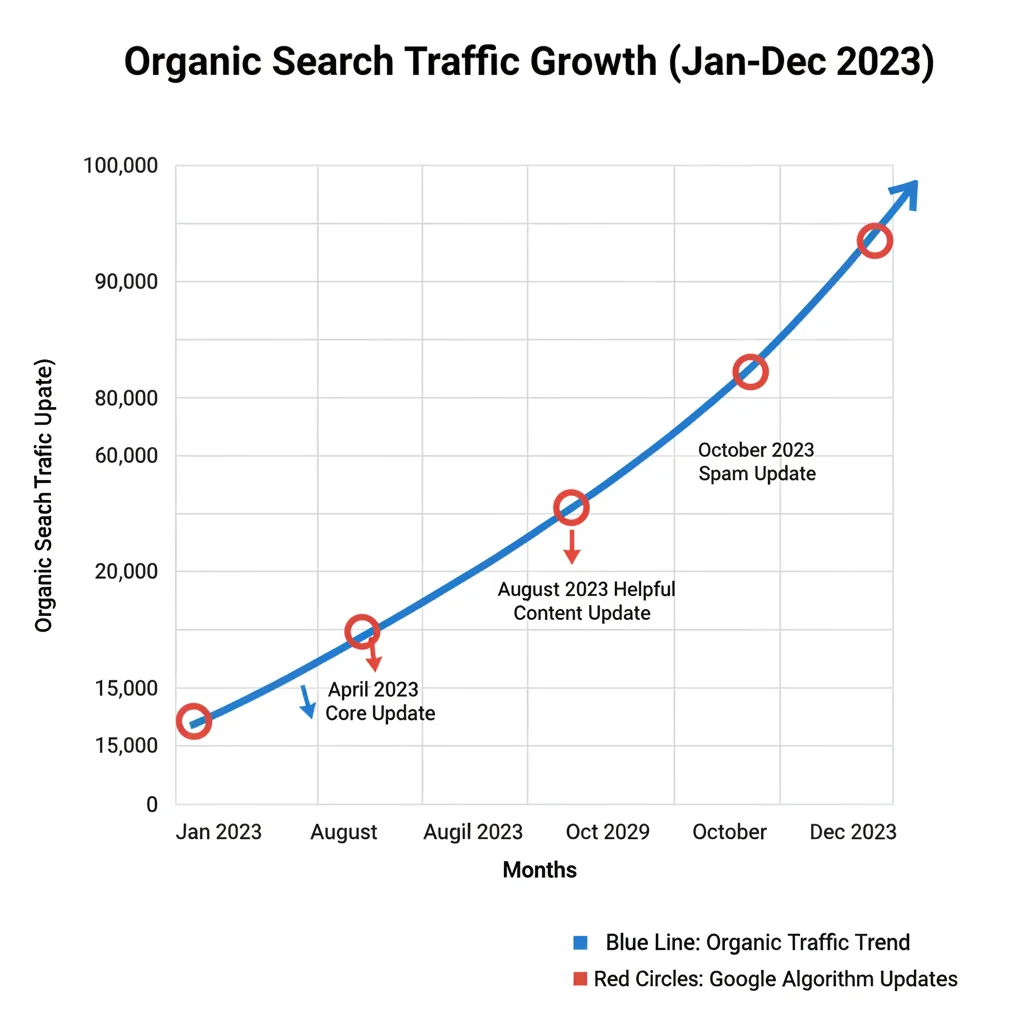
SEO works. Full stop. Google’s algorithm updates don’t kill SEO – they refine it.
Every algorithm change focuses on one thing: better user experience. When you optimise your site properly, you align with Google’s goals. This means creating content that answers real questions and building a website that loads fast and works perfectly on mobile.
The fundamentals haven’t changed. People search for solutions. Businesses that rank high get the clicks. Proper SEO strategy puts you in front of these searchers exactly when they need your services.
Consider this: over 8.5 billion searches happen on Google every day. Even capturing a tiny fraction of relevant searches can transform your business growth.
Algorithm Updates Favour Prepared Businesses
Google releases major updates regularly. Panda targeted thin content. Penguin went after manipulative link building. Hummingbird improved semantic understanding.
Each update rewards sites that follow best practices. When you work with professionals who stay current with common SEO mistakes to avoid, these updates boost your rankings instead of hurting them.
Businesses that ignore SEO best practices get hit hard by updates. They scramble to recover while their prepared competitors pull further ahead. Smart business owners get ahead of these changes instead of reacting to them.
Digital Marketing Offers Exceptional ROI
Traditional advertising costs a fortune. Television ads, radio spots, and print advertisements drain budgets quickly with questionable returns.
Digital marketing flips this model. Once your content ranks well, it continues attracting visitors without ongoing ad spend. A blog post that ranks on page one can generate leads for years.
Here’s the difference: paid advertising stops working the moment you stop paying. SEO and content marketing build momentum over time. Your marketing metrics improve month after month as your authority grows.
Smart businesses combine immediate paid results with long-term organic growth. This approach maximises both short-term revenue and sustainable growth.
Search Engines Drive the Most Qualified Traffic
Where do your potential customers spend their time online? The answer is simple: search engines.
Search traffic converts better than social media traffic or display ads. Why? Because searchers have intent. They’re actively looking for solutions to their problems.
Social media users scroll casually. Search engine users have specific goals. They type in queries like “best accountant near me” or “emergency plumber Perth”. These people are ready to buy.
When you rank for the right keywords, you capture this high-intent traffic. Different types of digital marketing serve different purposes, but search engine optimisation targets people ready to purchase.
Local Search Dominates Consumer Behaviour
Local businesses need local search optimisation. The statistics are overwhelming: 80% of consumers conduct local searches before making purchasing decisions.
Think about your own behaviour. When you need a restaurant, mechanic, or doctor, you search on Google. You check reviews, compare options, and choose based on what you find online.
Your customers do the same thing. If your business doesn’t appear in local search results, those customers choose your competitors instead. Local SEO strategies ensure your business appears when locals search for your services.
Google’s local pack shows three businesses for most local searches. Being in that pack means consistent phone calls and foot traffic. Missing from it means invisibility to local customers.
Mobile Search Continues Growing
Mobile devices account for over 60% of all searches. Google recognised this shift and made mobile-friendliness a ranking factor.
Sites that don’t work well on mobile devices rank poorly in mobile search results. Since most searches now happen on phones, poor mobile experience kills your visibility.
Modern digital marketing addresses mobile users first. This includes fast loading times, easy navigation, and content that reads well on small screens. Website speed optimisation becomes even more important for mobile users who expect instant results.
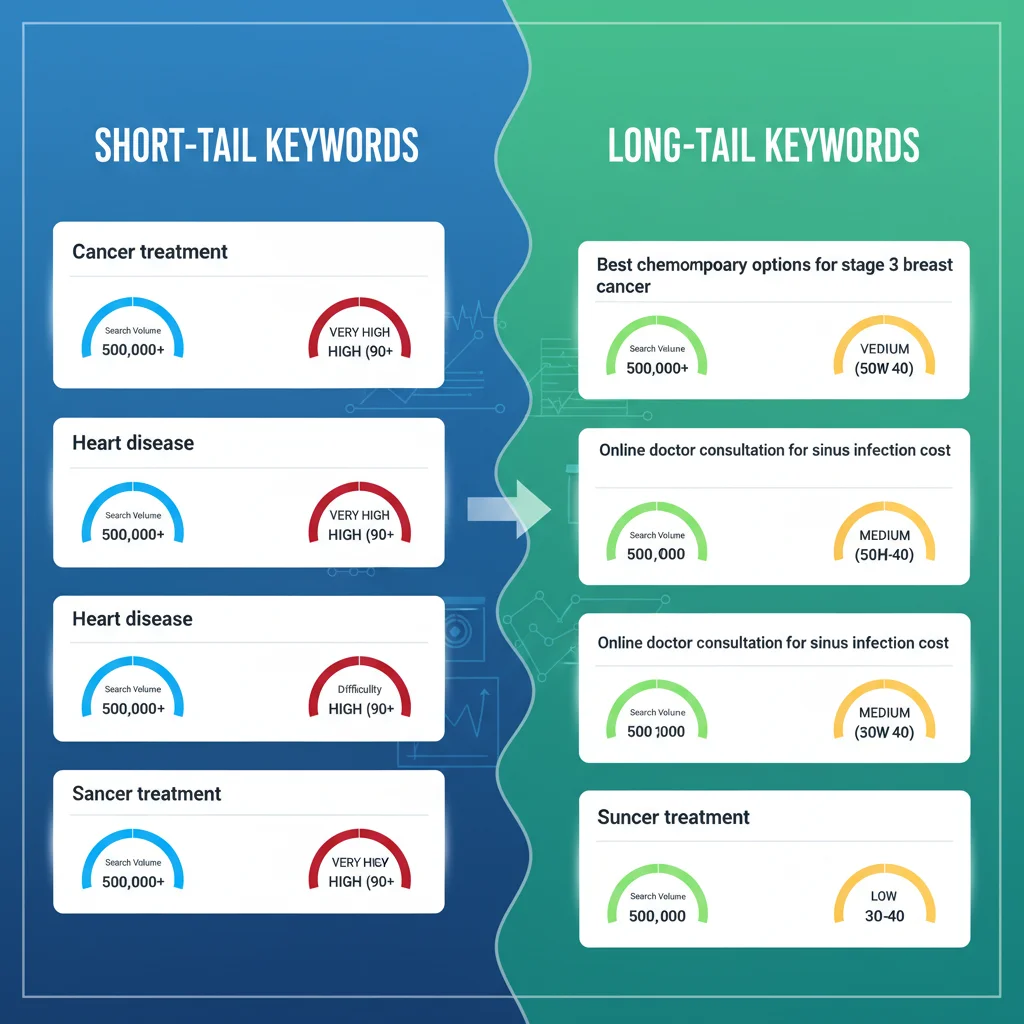
Voice search adds another layer. People ask questions differently when speaking versus typing. Optimising for conversational queries captures this growing search behaviour.
Your Competition Already Invested in Digital
Search for keywords related to your business right now. Look at the first page results. Every single website ranking there has invested in SEO.
This isn’t coincidence. Professional SEO work gets results. Your competitors understand this and they’re capturing the traffic you’re missing.
The gap widens every month you delay. While you focus on other priorities, competitors build stronger online presence. They attract more customers, generate more reviews, and strengthen their market position.
Good news: you can still compete. Current digital marketing trends create new opportunities for businesses ready to act. The key is starting with a solid foundation and building consistently.
Getting Started with Digital Marketing
Digital marketing success requires strategy, not random tactics. Start by understanding your current position and identifying the biggest opportunities.
Professional agencies like PWD Digital conduct thorough audits before recommending strategies. This approach ensures your investment targets the most impactful improvements first.
Key areas to address include:
- Technical website optimisation
- Local search presence
- Content strategy aligned with customer questions
- Link building for authority
- Performance tracking and refinement
Each business needs a customised approach. What works for a restaurant differs from what works for a law firm. B2B marketing strategies target different behaviours than consumer-focused campaigns.

The sooner you start, the sooner you see results. SEO takes time to build momentum, but the results compound over months and years. Businesses that start today will be capturing competitor traffic within 6-12 months.
Frequently Asked Questions
How long does it take to see results from digital marketing?
SEO typically shows initial improvements within 3-6 months, with significant results after 6-12 months. Paid advertising can generate results immediately, while content marketing builds momentum over 6+ months.
Is digital marketing worth it for small businesses?
Yes, digital marketing offers exceptional ROI for small businesses. It levels the playing field, allowing smaller companies to compete with larger competitors through targeted local SEO and content strategies.
What’s the difference between SEO and digital marketing?
SEO is one component of digital marketing. Digital marketing includes SEO, paid advertising, social media marketing, content marketing, email marketing, and other online strategies to attract customers.
How much should I budget for digital marketing?
Most businesses should allocate 7-12% of revenue to marketing, with 60-80% focused on digital channels. The exact amount depends on your industry, competition level, and growth goals.
Can I do digital marketing myself or do I need an agency?
Basic digital marketing is possible in-house, but professional agencies deliver better results through expertise, tools, and dedicated time. Most businesses see better ROI working with experienced agencies.
What’s the most important digital marketing strategy to start with?
Local SEO provides the highest impact for most businesses. Optimising Google Business Profile, website technical basics, and local keyword targeting delivers immediate visibility improvements.