
8 Top B2B Marketing Strategies That Really Work in 2026

B2B marketing has shifted dramatically. While traditional approaches treated business buyers completely differently from consumers, modern B2B decision-makers expect the same seamless, personalised experiences they get as consumers. Up to 80% of B2B clients want the same buying experience that B2C clients receive.
This change reflects a broader transformation in who’s making business purchasing decisions. As of 2021, 60% of tech buyers are millennials — a generation that researches differently, values transparency, and expects digital-first experiences. The goalposts aren’t just moving; they’ve moved entirely.
Here’s what actually works in B2B marketing right now, based on real shifts in buyer behaviour and proven results from our digital marketing campaigns.
What Makes B2B Marketing Different (And Why It Matters)

B2B marketing targets individuals who purchase on behalf of their business, not themselves. This creates unique pressures: longer decision cycles, multiple stakeholders, larger budgets, and higher personal stakes for the buyer.
The key difference isn’t just the audience — it’s the psychology. Business buyers need to justify their decisions to bosses, colleagues, and budgets. They’re risk-averse because a bad purchase affects their reputation and career prospects. But they’re also human beings who respond to emotion, storytelling, and personal connection.
Understanding this balance — between rational business needs and human psychology — drives successful B2B marketing strategies.
8 B2B Marketing Strategies That Actually Drive Results
1. Blend B2C Tactics Into Your B2B Approach
The artificial wall between B2B and B2C marketing is crumbling. Modern business buyers, especially millennials, expect consumer-grade experiences. This means personalisation beyond “Hi [First Name]” and content that speaks to both business needs and human motivations.
Practical applications:
- Create buyer personas that include personal motivations alongside business needs
- Develop content that addresses individual career goals within business contexts
- Use social proof that highlights both business outcomes and personal wins
- Design user experiences that feel intuitive and consumer-friendly
When you understand that the person choosing your software wants to look smart to their team while solving genuine business problems, you can craft messages that hit both targets.
2. Use Emotional Triggers (Yes, Even in B2B)
Business decisions involve emotions. Research shows emotions are a dominant driver in meaningful decisions, even when people think they’re being purely rational.
The emotions that work in B2B include confidence (“You’ll make the right choice”), ambition (“This will advance your career”), security (“This decision is safe”), and recognition (“Your team will thank you”).
Implement emotional marketing through:
- Case studies that showcase personal wins alongside business metrics
- Headlines that tap into professional aspirations
- Testimonials that include emotional language (“relieved”, “confident”, “excited”)
- Visuals that show people succeeding, not just products working
3. Dominate Your Niche
Generic B2B marketing gets lost in noise. Niche specialisation cuts through competition and establishes authority. When you’re the obvious choice for a specific industry or use case, buyers come to you.
Niche domination tactics:
- Create industry-specific case studies with detailed ROI breakdowns
- Develop content hubs around niche topics with deep, actionable information
- Build relationships in niche communities and forums
- Use industry terminology and address specific pain points
- Partner with industry associations or publications
Small businesses benefit most from this strategy. Instead of competing against enterprise solutions on features, you win by understanding your niche better than anyone else.
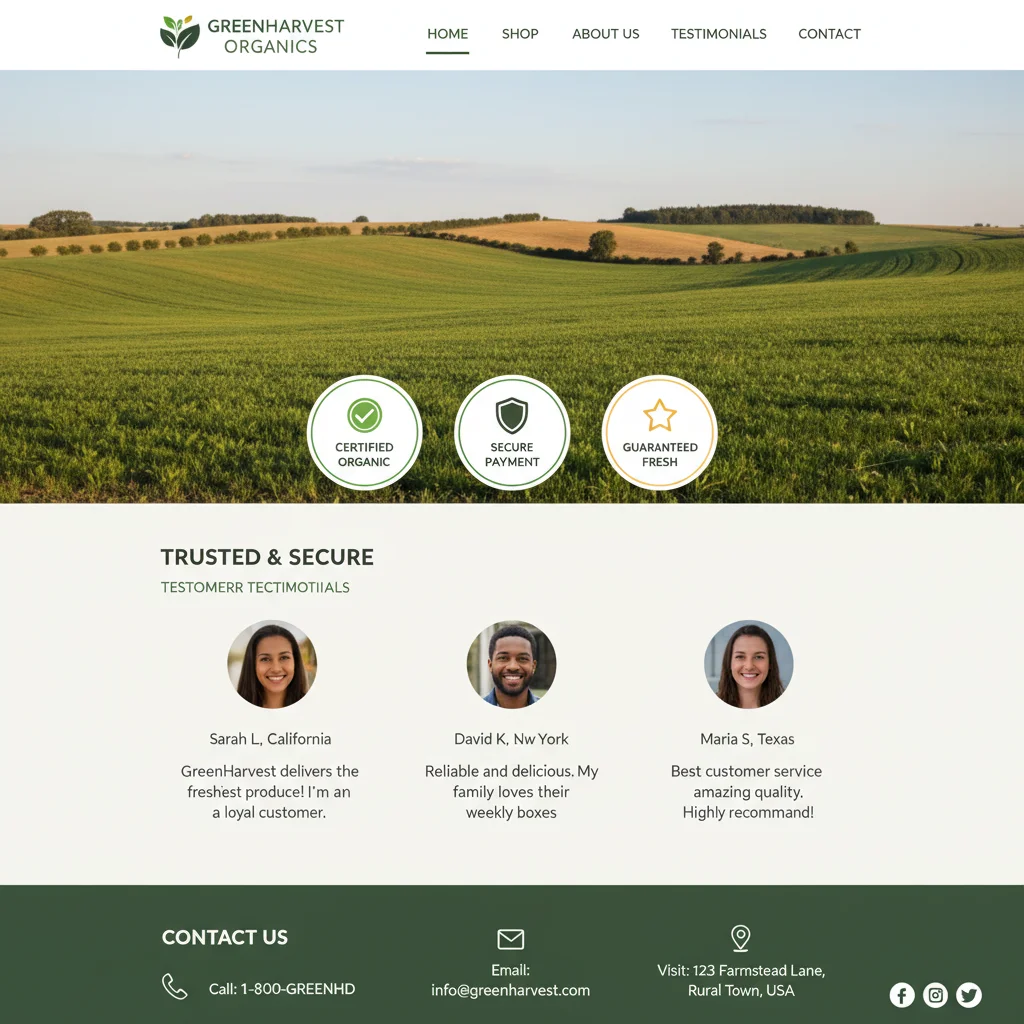
4. Transform Your Website Into a Lead Generation Machine
Your website is often the first impression prospects have of your company. For tech-savvy millennial buyers, a poor website immediately disqualifies you from consideration.
Structure your website to guide visitors through this journey:
- Attract: Clear value proposition, professional design, fast loading times
- Engage: Detailed product information, helpful resources, social proof
- Convert: Clear calls-to-action, low-friction contact forms, compelling offers
Include targeted landing pages for different buyer segments, detailed service pages that answer common questions, and a blog that demonstrates expertise. Remember, B2B buyers do extensive research before contacting you — give them everything they need to qualify themselves.
5. Implement Strategic Live Chat
Live chat isn’t just for customer service — it’s a sales tool. Use it strategically to engage prospects at key moments in their buyer journey.
Smart live chat triggers:
- Visitors who spend significant time on pricing or product pages
- Return visitors who’ve viewed multiple pages
- Users who start but don’t complete contact forms
- Visitors from high-value referral sources
Train your team to ask helpful questions like “Need help finding the right solution for your industry?” rather than generic “How can I help?” messages. Always show it’s a real human responding, not a bot.
6. Create Content That Actually Helps
B2B buyers research extensively before contacting vendors. Research shows 33% of millennials depend on blog posts for purchase information. Your content needs to educate, not just promote.
Effective B2B content formats:
- Problem-solution blog posts targeting specific pain points
- Detailed guides and tutorials
- Industry research and trend analysis
- Comparison articles that position you favourably
- Template and tool downloads that capture leads
Each piece should target a specific stage of the buyer journey and include clear next steps. When someone searches for solutions you provide, they should find you first with the most helpful answer.
7. Master SEO for Long-term Growth
SEO drives consistent, qualified traffic from people actively searching for solutions. Implementing SEO best practices improves visibility and generates leads while you sleep.
B2B SEO priorities:
- Target long-tail keywords with commercial intent
- Optimise for “[solution] for [industry]” searches
- Build topic clusters around your core services
- Earn backlinks from industry publications and partners
- Optimise for local search if you serve specific regions
SEO takes time but pays dividends. Companies that rank well for their key terms enjoy consistent lead generation without ongoing advertising costs. Check out our guide on common SEO mistakes to avoid setbacks.
8. Build Trust Through Social Proof
Business buyers are risk-averse. Social proof reduces perceived risk by showing others have succeeded with your solution. Research indicates 81% of people read reviews before making purchase decisions.
Effective social proof for B2B:
- Detailed case studies: Include specific metrics, challenges, and outcomes
- Video testimonials: More authentic than text-only reviews
- Industry recognition: Awards, certifications, media mentions
- Client logos: Display recognisable brands you’ve worked with
- Third-party reviews: Google, industry review sites, LinkedIn recommendations
Authenticity matters more than perfection. Real stories with specific details and honest challenges overcome carry more weight than generic praise.
Why B2B Marketing Strategy Matters More Than Ever
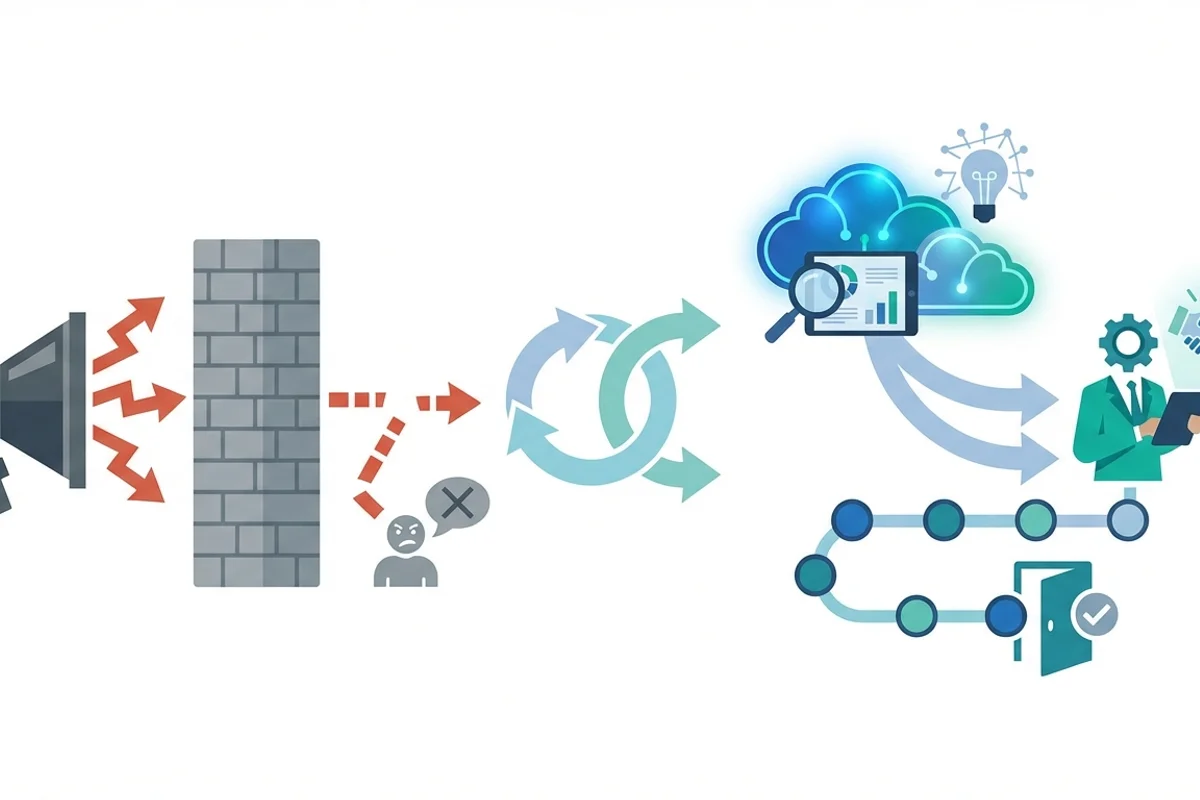
Aggressive sales tactics don’t work anymore. Modern buyers research solutions independently and make contact when they’re ready to buy, not when you’re ready to sell. This shift demands marketing that attracts, educates, and nurtures prospects through their decision process.
The stakes are higher in B2B sales. Deals are larger, sales cycles are longer, and customer lifetime values are significant. Effective marketing doesn’t just generate leads — it builds relationships that turn into long-term partnerships.
Companies with strategic B2B marketing enjoy predictable lead generation, shorter sales cycles, and higher conversion rates. They build authority in their market and become the obvious choice when prospects are ready to buy.
Implementing Your B2B Marketing Strategy

Start with your website and content foundation — these support all other marketing activities. Focus on one or two strategies initially rather than trying everything at once.
Measure what matters: lead quality over quantity, conversion rates at each stage, and customer lifetime value. Track how prospects find and interact with your content to optimise your approach.
B2B marketing is a long-term game that builds momentum over time. Companies that invest consistently in these strategies create sustainable competitive advantages and predictable growth.
Ready to transform your B2B marketing approach? Contact PWD Digital Agency to discuss how these strategies can work for your specific industry and goals.
Frequently Asked Questions
What’s the difference between B2B and B2C marketing?
B2B marketing targets individuals who purchase on behalf of businesses, involving longer decision cycles, multiple stakeholders, and higher-value transactions. B2C marketing targets individuals buying for personal use with shorter, emotion-driven decision processes.
How long does B2B marketing take to show results?
B2B marketing typically takes 3-6 months to show initial results, with full impact visible after 12-18 months. SEO and content marketing build momentum over time, while paid advertising and email marketing can generate immediate leads.
What’s the most effective B2B marketing channel?
No single channel works best for all B2B companies. Most successful strategies combine website optimisation, content marketing, and SEO as the foundation, supplemented by email marketing, social media, and paid advertising based on where your audience spends time.
How much should I budget for B2B marketing?
Most B2B companies allocate 6-12% of revenue to marketing, with newer companies often investing 15-20% to establish market presence. The budget should cover website development, content creation, SEO, advertising, and marketing tools.
Do B2B buyers really make emotional decisions?
Yes, research shows emotions significantly influence B2B purchase decisions. While buyers use rational justification, they’re driven by feelings like confidence, security, ambition, and fear of making wrong choices that could affect their careers.
Should small B2B companies focus on niche marketing?
Absolutely. Niche specialisation helps small B2B companies compete against larger competitors by becoming the obvious choice for specific industries or use cases, reducing competition and building stronger client relationships.