Why SEO Is an Ongoing Process (And Always Will Be)

SEO would be simple if it worked like a one-off website build. You’d optimise your content once, run some promotion, and watch your site climb to the top of Google forever. Unfortunately, that’s not how search engines work.
Even if you reach top rankings for competitive keywords today, there’s no promise you’ll keep those spots tomorrow. Search engines constantly change their algorithms. Competitors actively work to outrank you. And shifts in user behaviour create new ranking chances. Your business needs to adapt or risk losing hard-won search visibility.
At PWD Digital Agency, we’ve seen countless businesses make the mistake of treating SEO as a one-time project. The results follow a pattern: early gains followed by steady decline as competitors catch up and algorithm updates shake things up. Here’s why successful SEO needs ongoing effort and how to approach it the right way.
Search Engine Algorithms Change More Than You Think
How often do you think Google updates its ranking algorithm? Monthly? Weekly?
Try 500-600 times per year. That’s more than once per day. Occasional major updates can reshape search results dramatically. Google releases these updates to fight spam, reward better user experiences, and adapt to changing online habits.
Take mobile-friendliness as an example. When smartphone use exploded, Google made mobile optimisation a ranking factor. Websites that weren’t mobile-ready saw their rankings drop overnight. More recently, Core Web Vitals became ranking signals. These focus on page speed and user experience metrics.
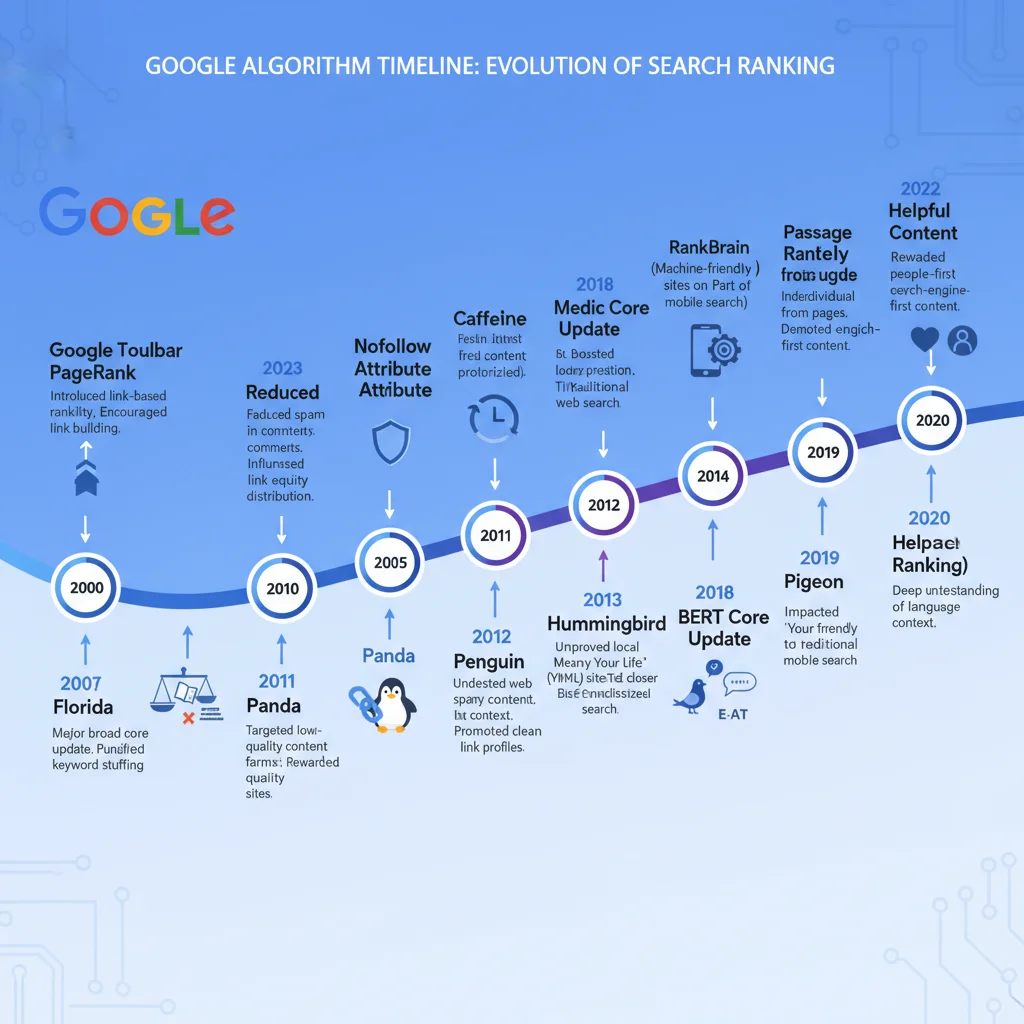
These changes aren’t random. Google wants to show users the best possible results. That means it constantly refines how it judges websites. Common SEO mistakes that worked five years ago now actively hurt your rankings.
Recent Algorithm Updates That Changed Everything
The 2023 Helpful Content Update put content written for humans ahead of content written for search engines. Websites with AI-generated, low-value content saw huge ranking drops. The September 2023 Core Update refined how Google judges content quality and author expertise.
These updates reward businesses that consistently publish valuable, user-focused content. You can’t optimise once and expect lasting results. Optimising blog posts for SEO means understanding current best practices, not outdated tactics.
Your Competitors Never Stop Trying
While you celebrate your top rankings, competitors are studying your strategy and working to beat it. The competitive landscape shifts constantly. New players enter the market and existing competitors sharpen their approach.
We’ve seen businesses dominate search results for years, only to lose ground because they got comfortable. Meanwhile, competitors invested in effective link building strategies, improved their content quality, and optimised for new ranking factors.

Social media offers a good comparison. Many businesses first dismissed Facebook and Twitter as passing trends. Companies that embraced these platforms early gained a real edge. The same principle applies to SEO: early action on new strategies and consistent effort wins over time.
How Competitors Gain Ground
Smart competitors don’t just copy your strategy – they improve on it. They might:
- Create more detailed, valuable content targeting your keywords
- Build higher-quality backlinks from trusted websites
- Optimise for emerging search features like voice search or AI overviews
- Improve their website’s technical performance and user experience
- Target long-tail keywords you’ve missed
Tracking essential SEO KPIs helps you spot competitive threats before they overtake your rankings.
Core Components of Ongoing SEO
Good SEO involves several connected activities that need consistent attention. Each part builds on the others to create lasting search visibility.
Content Optimisation and Creation
Content isn’t something you set and forget. You need to regularly update existing content, create new material targeting emerging keywords, and optimise for changing user intent. Getting blog posts ranked on Google means understanding current content preferences and search patterns.

Search intent changes as industries mature and user knowledge grows. Keywords that once showed information-seeking might now signal buying intent. Regular content audits and updates keep your site aligned with how people actually search.
Technical SEO Maintenance
Technical issues can pop up from software updates, server changes, or website tweaks. Regular technical audits catch problems before they hurt rankings. Technical SEO basics need ongoing monitoring and upkeep.
Page speed, mobile responsiveness, and crawl errors need constant attention. What works well today might struggle tomorrow as Google’s standards rise and user expectations grow.
Link Building and Authority Development
Link building can’t happen as a one-off campaign. Growing domain authority takes consistent effort to earn quality backlinks from relevant, trusted sources. Boosting domain authority takes time and smart relationship building.
Quality link chances come up regularly through industry developments, new content, and relationship building. Successful businesses keep active outreach programs running and create link-worthy resources on an ongoing basis.
What This Means for Business Owners
Treating SEO as an ongoing investment rather than a one-time cost changes how you plan your digital marketing budget and strategy. The businesses that succeed long-term see SEO as core infrastructure, not optional marketing.

Budget for Continuous Improvement
Good SEO needs steady monthly investment rather than big occasional spends. This might include content creation, technical upkeep, link building outreach, and performance tracking.
Think of SEO investment like other business essentials such as insurance or accounting. You wouldn’t skip these to save money short-term, knowing the long-term impact. The same logic applies to search optimisation.
Set Realistic Expectations
SEO results build over time but need patience and persistence. Rankings shift naturally as Google tests different results and competitors adjust their strategies. Understanding key SEO statistics helps set realistic expectations for timelines and investment.
Focus on upward trends rather than daily swings. Sustainable SEO builds long-term organic traffic growth, not quick ranking spikes that vanish after algorithm updates.
Monitor Performance Consistently
Regular reporting reveals trends, opportunities, and potential issues before they become serious. Monthly reviews should cover ranking changes, traffic patterns, conversion performance, and competitive shifts.
Essential digital marketing metrics go beyond rankings to include user engagement, lead quality, and revenue from organic search.
Building Your Ongoing SEO Strategy
Successful ongoing SEO needs organised processes rather than random tactics. Build systems that scale with your business and adapt to industry changes.
Monthly SEO Activities
- Content audit and optimisation
- Technical issue finding and fixing
- Competitive analysis and keyword research
- Link building outreach and relationship management
- Performance reporting and strategy tweaks
Quarterly Strategic Reviews
Quarterly reviews look at the bigger picture and major opportunities. This includes refining content strategy, checking technical infrastructure, and reviewing the competitive landscape.
Use quarterly reviews to align SEO efforts with broader business goals and marketing plans. Practical SEO strategies should support overall business growth, not exist on their own.

SEO success comes from consistent, strategic effort over time. Businesses that treat it as an ongoing investment rather than a one-time project see lasting organic growth and competitive advantages. Ready to build your long-term SEO strategy? Contact our experienced team to discuss your specific needs and goals.
Frequently Asked Questions
How often should SEO activities be performed?
SEO needs ongoing monthly work, including content optimisation, technical upkeep, and link building. You should also run major strategy reviews each quarter to check performance and adjust your approach.
Why can’t SEO be done once and left alone?
Search engines update their algorithms 500-600 times per year. Competitors constantly improve their sites. And the way people search keeps changing. Without ongoing effort, your rankings will drop as others pass you.
What happens if I stop SEO activities?
When you stop SEO work, your rankings usually slide as competitors gain ground and algorithm updates favour more active sites. How fast you decline depends on your competition level and industry.
How much should businesses budget for ongoing SEO?
SEO budgets depend on your industry and competition level. Most businesses should spend 5-10% of revenue on digital marketing, with SEO making up a big part. Steady monthly spending works better than occasional large amounts.
What SEO tasks can be done internally vs outsourced?
You can handle basic content creation and simple optimisation in-house with proper training. However, technical SEO, advanced link building, and strategic planning often need specialist skills that an experienced agency can provide.
How long does it take to see results from ongoing SEO?
You can usually see early SEO improvements within 3-6 months. Bigger results appear after 6-12 months of consistent work. Long-term competitive advantages develop after 12-18 months of strategic effort.