Google Analytics 4 Explained: What You Need To Know in 2026

Universal Analytics officially stopped collecting data on July 1, 2023. If you haven’t switched to Google Analytics 4 yet, you’re flying blind with your website data. But even if you’ve already made the switch, understanding what’s actually changed can help you get better insights from your traffic.
Google Analytics 4 isn’t just an upgrade – it’s a complete rebuild of how Google tracks and reports website behaviour. The changes affect everything from how data is collected to what metrics you can access. For Australian businesses serious about understanding their online performance, mastering GA4 is no longer optional.
Here’s what you need to know about Google Analytics 4, how it differs from Universal Analytics, and what these changes mean for your business. For a deeper dive, see our complete GA4 guide:
- What Google Analytics 4 actually is and why it matters
- The fundamental changes from Universal Analytics
- New features that can improve your marketing decisions
- How to make the most of GA4’s capabilities
- What you should focus on first
What Is Google Analytics 4?
Google Analytics 4 is Google’s latest web analytics platform, designed to track user interactions across websites and apps in a privacy-focused environment. Unlike its predecessor, GA4 was built from the ground up to handle a world where third-party cookies are disappearing and users expect better privacy protection.
The platform collects data about your website visitors to help you understand how people find and use your site. This information drives better decisions about SEO strategy, website design, and marketing campaigns.
Privacy concerns have reached a tipping point in Australia. A 2020 survey found that 78% of Australians were “fairly concerned” or “very concerned” about online privacy. GA4 responds directly to these concerns while providing more detailed insights than ever before.
Some web browsers now block Universal Analytics tracking by default. GA4’s new tracking methods work around these limitations, ensuring you get more complete data about your audience.

Major Changes From Universal Analytics
Google didn’t just update Universal Analytics – they rebuilt it completely. The differences affect how data is collected, processed, and reported. Understanding these changes helps you interpret your reports correctly and spot opportunities you might have missed.
Event-Based Tracking Replaces Sessions
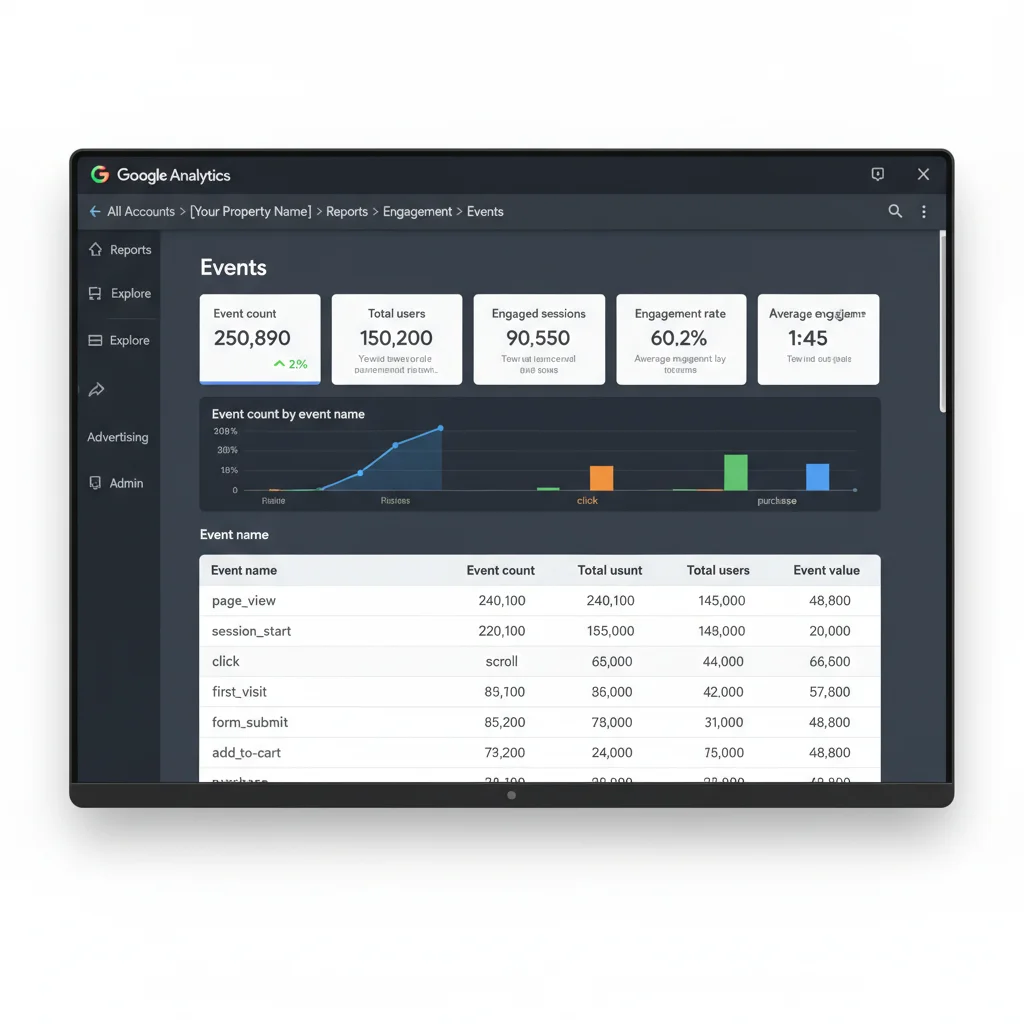
The biggest shift is how GA4 thinks about user interactions. Universal Analytics grouped everything into sessions – a collection of actions during a specific time period. GA4 treats every user action as an individual event.
In Universal Analytics, tracking button clicks or form submissions required manual setup. GA4 tracks these interactions automatically as events. Page views, clicks, scrolling, file downloads – they’re all events now, giving you granular insight into user behaviour.
This event-based approach reveals patterns that session-based reporting missed. You can see exactly which page elements get the most engagement and identify where users lose interest. This data directly informs website optimisation decisions.
Simplified Setup Process
Universal Analytics was built for a simpler web where page views were the primary metric. Setting up conversion tracking or custom events required technical knowledge and time.
GA4 includes enhanced measurement out of the box. It automatically tracks:
- Page views and scroll depth
- Outbound link clicks
- Site search queries
- Video engagement
- File downloads
This means valuable data collection starts immediately, without custom configuration. You can focus on analysis instead of technical setup.
Superior Cross-Device Tracking
Modern users switch between phones, tablets, and computers throughout their buyer’s journey. Universal Analytics struggled to connect these touchpoints, often counting the same person as multiple users.
GA4 uses Device ID, User ID, and Google Signals to track users across devices more accurately. This creates a clearer picture of how people interact with your brand across their entire journey.
You can now see which marketing channels drive traffic, what actions those users take across devices, and whether they eventually convert. This insight helps you allocate marketing budget more effectively and understand which touchpoints matter most.
AI-Powered Predictive Analytics
GA4’s machine learning capabilities go beyond basic reporting. The platform analyses user behaviour patterns to predict future actions, helping you identify high-value opportunities before they’re obvious.
Predictive metrics can identify users most likely to purchase within the next seven days or which visitors are likely to stop engaging with your site. These insights power more effective remarketing campaigns and help prioritise follow-up efforts.
The AI also fills in gaps where data isn’t available due to privacy restrictions. As third-party cookies disappear, this modelling becomes essential for complete audience understanding.
Making the Most of GA4 Features
Understanding GA4’s capabilities is one thing – using them effectively is another. The platform offers powerful tools that can transform how you understand and optimise your website performance.
Focus on Key Events First
GA4 tracks dozens of events automatically, but not all are equally important for your business. Start by identifying the events that indicate genuine user engagement and business value.
For most businesses, priority events include:
- Contact form submissions
- Phone number clicks
- Email link clicks
- Product page views (for e-commerce)
- Resource downloads
- Video engagement milestones
Mark these as conversions in GA4 to track them in your reports and use them for Google Ads optimisation.
Build Custom Audiences
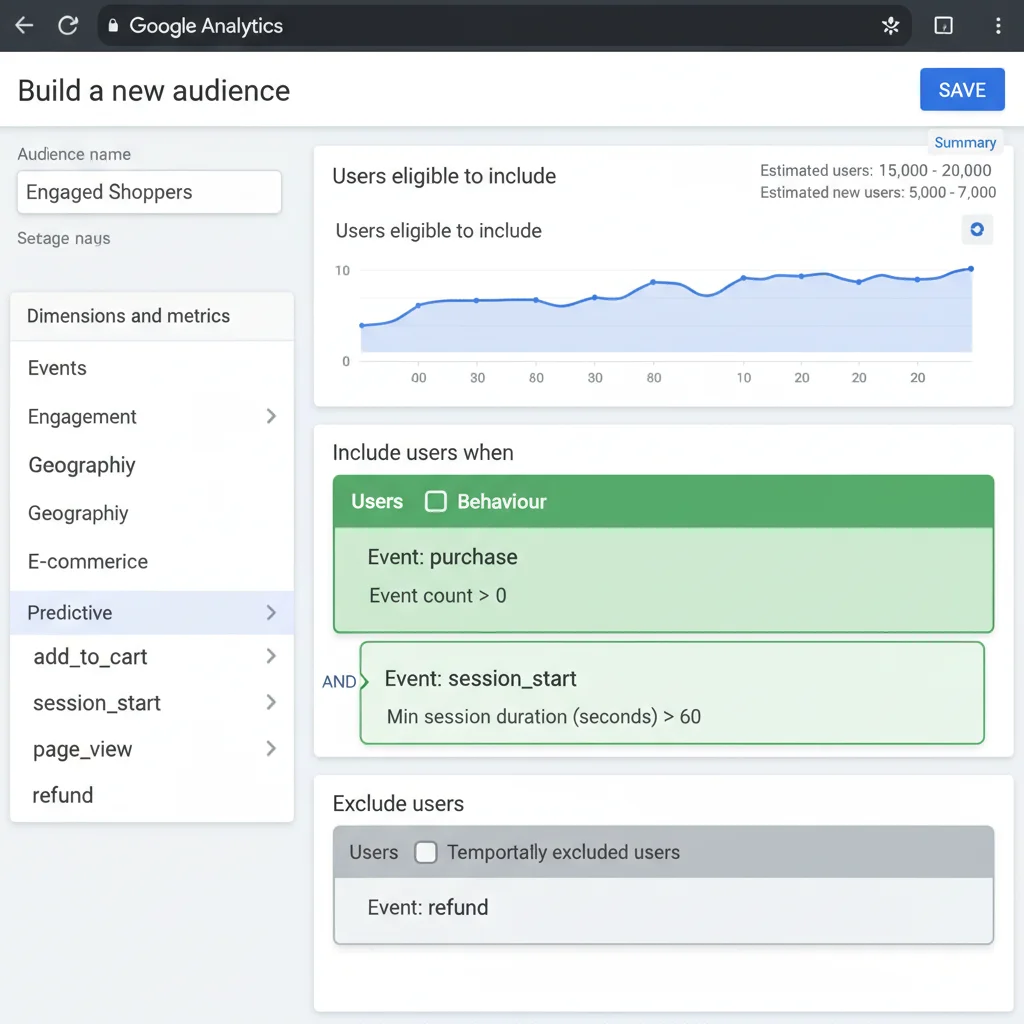
GA4’s audience builder lets you create segments based on specific user behaviours and characteristics. These audiences become powerful tools for both analysis and marketing campaigns.
Effective audience segments might include users who visited pricing pages but didn’t convert, people who engaged with specific content topics, or visitors from particular traffic sources. Each segment reveals different insights about user intent and behaviour.
Connect GA4 to Google Ads
The integration between GA4 and Google Ads creates opportunities that didn’t exist with Universal Analytics. Learn how connecting GA4 with Google Ads can dramatically improve your advertising ROI. You can import GA4 audiences directly into Google Ads for remarketing campaigns and use GA4 conversion events for automated bidding strategies.
This connection enables more sophisticated campaign optimisation. Instead of optimising for clicks or basic conversions, you can optimise for users most likely to become valuable customers based on their on-site behaviour patterns. This data-driven approach also applies to alternative platforms like Microsoft Advertising native ads, which offer lower competition and cost.
Common GA4 Implementation Challenges
While GA4 offers more capability than Universal Analytics, the transition isn’t always smooth. Understanding common issues helps you avoid problems and get accurate data from day one.
Data Differences Are Normal
Don’t expect GA4 numbers to match your Universal Analytics reports exactly. The platforms collect and process data differently, so some variation is expected and normal.
GA4 generally reports higher engagement rates and different user counts due to its improved tracking methods and privacy-focused approach. Focus on trends rather than absolute numbers when comparing platforms.
Historical Data Limitations
GA4 only shows data from when you first set it up. Unlike Universal Analytics, you can’t access historical data from before implementation. This makes year-over-year comparisons challenging initially.
Start building your GA4 data history as soon as possible. Even if you’re not ready to fully transition your reporting, having months of historical data will become valuable for trend analysis and performance tracking.
What PWD Recommends for GA4 Success
After helping dozens of Australian businesses transition to GA4, we’ve identified the strategies that deliver the best results. These recommendations focus on practical implementation steps rather than theoretical benefits.
Start with proper goal identification. What specific business outcomes do you want to track? Map these to GA4 events and conversions before diving into complex reporting. This foundation ensures your data collection aligns with your business priorities.
Set up conversion tracking for all meaningful user actions, not just final sales or leads. Understanding micro-conversions like resource downloads or video engagement helps optimise the entire customer journey.
Regular monitoring is essential during the first few months. GA4’s automatic data collection can miss business-specific events that matter to your industry or business model. Review reports monthly and adjust tracking as needed.
Our Perth digital marketing team helps businesses get the most from their analytics data. If you need assistance setting up GA4 properly or interpreting your reports for better marketing decisions, get in touch for a consultation.
Frequently Asked Questions
What’s the main difference between GA4 and Universal Analytics?
GA4 uses event-based tracking where every user action is recorded as an individual event, while Universal Analytics grouped actions into sessions. This provides more detailed insights into user behaviour and better cross-device tracking.
Can I still access my Universal Analytics data?
Universal Analytics stopped collecting new data on July 1, 2023. Historical data remained accessible for six months after that date, but is no longer available for viewing.
Do I need technical knowledge to set up GA4?
GA4 is easier to set up than Universal Analytics because it tracks many important events automatically. Basic setup requires minimal technical knowledge, though advanced customisation may need developer assistance.
Why are my GA4 numbers different from Universal Analytics?
GA4 and Universal Analytics collect and process data differently. GA4 generally shows higher engagement rates and different user counts due to improved tracking methods and privacy-focused measurement approaches.
How does GA4 improve cross-device tracking?
GA4 uses Device ID, User ID, and Google Signals to connect user actions across phones, tablets, and computers. This provides a more complete picture of the customer journey compared to Universal Analytics.
What are GA4’s predictive analytics capabilities?
GA4 uses machine learning to predict user behaviour, such as identifying visitors most likely to purchase within seven days or those at risk of churning. These insights help optimise marketing campaigns and audience targeting.