5 Digital Marketing Trends to Keep an Eye on in 2026

The marketing landscape shifts faster every year, and 2026 promises some of the most significant changes we’ve seen. Privacy laws tighten, consumers demand authenticity, and the platforms your audience uses continue to evolve. Success isn’t about chasing every trend – it’s about spotting the ones that’ll drive real results for your business.
At PWD Digital Agency, we’ve been helping Australian businesses navigate these changes since 2007. We’ve watched platforms rise and fall, algorithms shift, and consumer behaviour transform. Based on what we’re seeing with our clients and industry data, these five trends will shape how successful businesses approach digital marketing next year.
Practical First-Party Data Strategies
Start with value exchange. Don’t ask for email addresses without giving something worthwhile in return. Industry reports, exclusive content, early access to products – make the trade obvious and fair.
Email marketing remains one of the strongest channels for this. Track metrics like open rates and click-through rates, but focus more on conversion rates and customer lifetime value. Quality beats quantity.
Progressive profiling works brilliantly here. Instead of asking for everything upfront, gradually build customer profiles over time through surveys, preference centres, and behavioural tracking on your own platforms.
Short-Form Video Dominates Engagement

TikTok didn’t just change how people consume content – it rewired their expectations. Audiences now expect immediate value, authentic presentation, and engaging storytelling in under 60 seconds. This applies across all platforms, not just social media.
We’ve watched B2B companies triple their engagement rates by switching from lengthy explainer videos to snappy, problem-solving content. Even traditionally conservative industries like finance and healthcare are finding success with authentic, personality-driven short-form content.
Making Short-Form Content Work for Business
The key isn’t entertainment – it’s value density. Pack genuine insights into every second. Start with a hook that promises specific value, deliver on that promise quickly, and end with a clear next step.
Repurpose everything. One piece of long-form content can become 5-10 short videos. Extract key statistics, transform tips into quick tutorials, and turn case studies into before-and-after stories.
Interactive features boost performance significantly. Use polls, questions, and calls-to-action that encourage comments and shares. Social media visibility increases when your content generates conversation.
SEO Adapts to Zero-Click Search Results
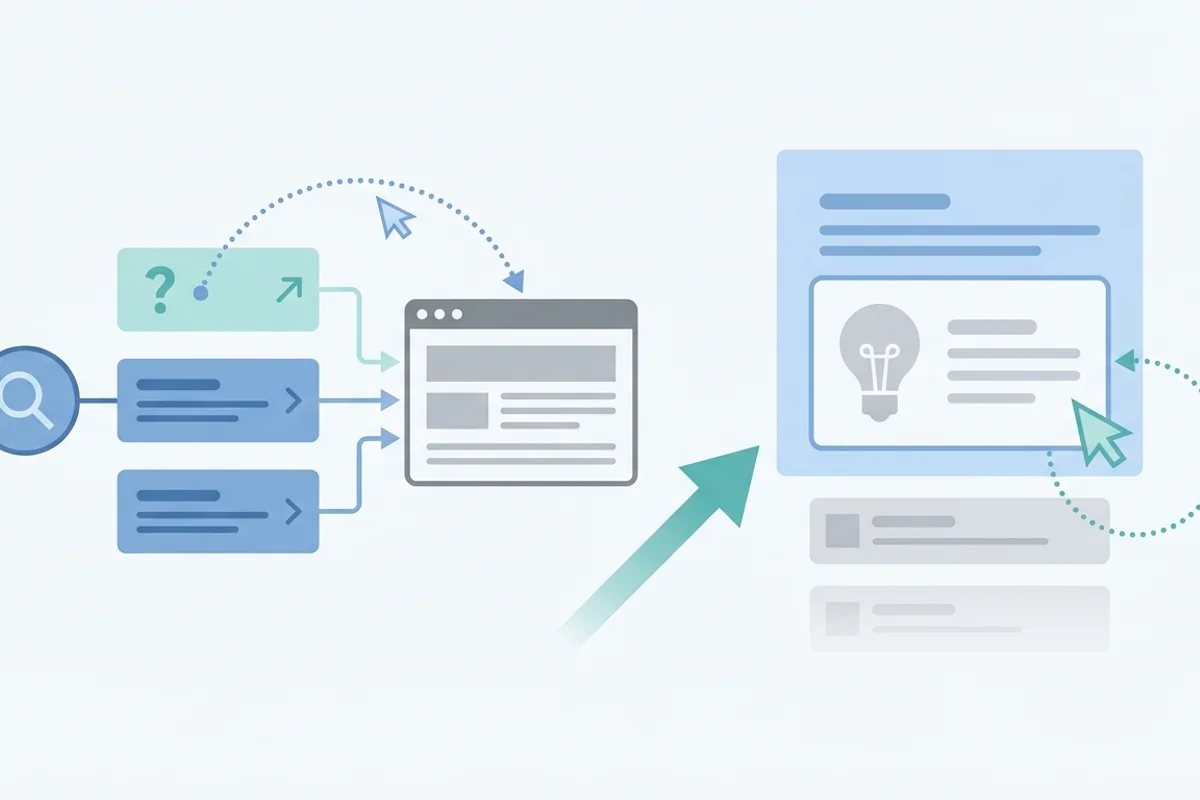
Google’s showing more answers directly in search results, which means traditional click-through strategies need updating. But this isn’t a crisis – it’s an opportunity for brands that understand how to optimise for featured snippets and knowledge panels.
We’re seeing businesses increase their search visibility by structuring content specifically for these formats. Instead of fighting against zero-click searches, smart companies position themselves as the authoritative source that Google pulls from.
Optimising for Featured Snippets
Structure your content to answer specific questions directly. Use clear headings, bullet points, and numbered lists. Google loves content that’s easy to extract and display.
FAQ sections work exceptionally well for this. Blog post optimisation should include common questions your audience asks, with concise, accurate answers.
Don’t forget about brand building. Even if users don’t click through, seeing your brand name associated with helpful information builds trust and recognition. This pays off in direct searches and brand awareness campaigns.
Cross-Channel Marketing Creates Seamless Customer Journeys

Your customers don’t think in channels – they think in problems and solutions. They might discover you on Instagram, research on your website, compare options via email, and purchase through your app. Each touchpoint needs to work together, not in isolation.
The most successful campaigns we run integrate multiple channels from the start. Social media drives awareness, email nurtures leads, SEO captures search intent, and paid advertising reinforces key messages across platforms.
Building Connected Customer Experiences
Start with customer journey mapping. Understand how your audience moves between platforms and what information they need at each stage. Don’t assume they’ll follow the path you designed – map the path they actually take.
Consistent messaging doesn’t mean identical content. Your Instagram post should feel connected to your email newsletter, but each platform has its own best practices and audience expectations.
Technology integration matters more than ever. Your CRM should talk to your email platform, which should connect to your social media management tools. When systems work together, you can deliver personalised experiences at scale.
Implementation Strategy for Australian Businesses

These trends matter, but implementation separates successful businesses from those that just read about trends. You don’t need to tackle everything at once – start with the areas where you’ll see the biggest impact for your specific business.
Audit your current approach first. Which channels drive your best customers? Where do you have the strongest data collection? What content formats get the most engagement? Build from your existing strengths rather than starting from scratch.
Set realistic timelines. Ethical marketing requires operational changes that take months to implement properly. First-party data strategies need time to build substantial databases. Successful digital marketing is a marathon, not a sprint.
Measure what matters. Vanity metrics won’t help you understand which trends actually drive business results. Focus on conversion rates, customer acquisition costs, and lifetime value. These numbers tell you whether your marketing investments are paying off.
Planning Your 2026 Marketing Strategy
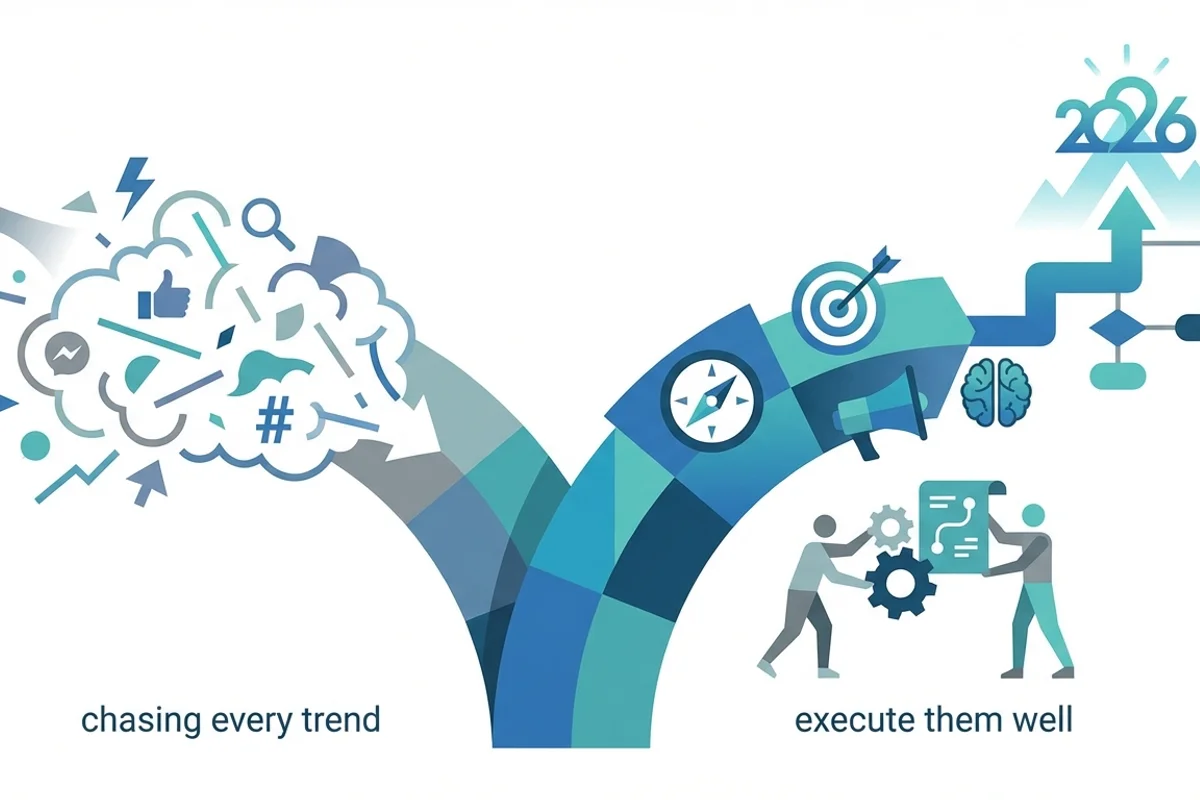
The businesses that thrive in 2026 won’t be those that chase every trend, but those that choose the right trends for their audience and execute them well. Consider your resources, your audience’s preferences, and your business goals when deciding which of these trends to prioritise.
Remember that good marketing fundamentals never go out of style. Understanding your audience, creating valuable content, and building genuine relationships will always outperform flashy tactics with no substance.
Need help implementing these trends for your business? Our team has been helping Australian companies navigate digital marketing changes since 2007. We know what works in the real world, not just what looks good in theory.
Frequently Asked Questions

What digital marketing trends will dominate 2026?
Ethical marketing, first-party data strategies, short-form video content, zero-click SEO optimisation, and cross-channel integration will be the dominant trends shaping digital marketing success in 2026.
How important is first-party data for businesses in 2026?
First-party data becomes critical as third-party cookies disappear. Businesses that build strong permission-based data collection strategies will have significant competitive advantages in targeting and personalisation.
Should B2B companies use short-form video content?
Yes, B2B companies are seeing strong results with short-form video by focusing on value-dense content that solves specific problems rather than entertainment-focused content.
How do zero-click searches affect SEO strategy?
Zero-click searches require optimising for featured snippets and knowledge panels. Structure content with clear answers, use FAQ sections, and focus on becoming the authoritative source Google pulls information from.
What makes cross-channel marketing effective?
Effective cross-channel marketing requires understanding actual customer journeys, maintaining consistent but platform-appropriate messaging, and integrating technology systems to deliver personalised experiences.
How can small businesses implement these marketing trends?
Start with one or two trends that align with your strengths and audience. Audit current performance, set realistic timelines, and focus on trends that directly impact your key business metrics.