MedAesthetics
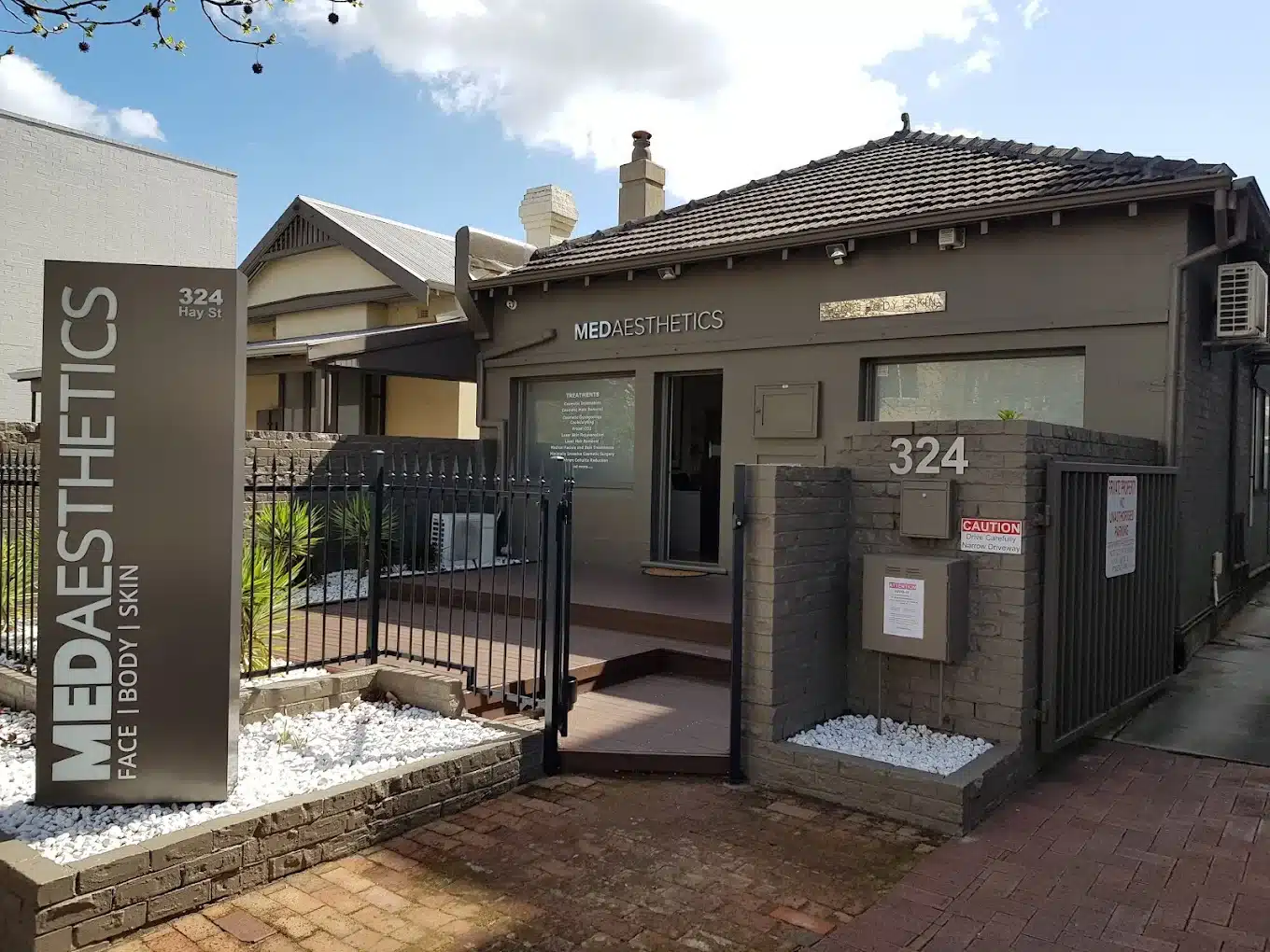
Seven Perth cosmetic skin clinics, 1,389 new clients in 13 months at $251 each, and marketing that costs 4.2% of revenue against an industry average of about 7%.

We built a multi-audience website for Young Minds: Our Future that welcomes families, explains the process clearly, and equips researchers and stakeholders with the resources to drive national uptake.

Young Minds: Our Future is a vital national study examining the mental health and wellbeing of children and young people across Australia. This third Australian child and adolescent survey of mental health and wellbeing invites families with children aged 4 to 17 years to participate in groundbreaking research that will shape mental health support for the next generation.
The survey process involves trained Roy Morgan interviewers speaking with parents or carers, while children aged 11 and older complete their own questions on a tablet. This comprehensive approach helps researchers understand how young people are feeling and coping, what kind of support they receive and its effectiveness, how societal changes impact mental health, and what factors support wellbeing or put it at risk.
When Young Minds: Our Future approached PWD, they faced several critical challenges that could impact participation and engagement:


We created a warm and welcoming website design that puts families at ease while maintaining the credibility essential for a national mental health research initiative. The visual approach strikes the perfect balance between professional authority and accessible friendliness, making the important work feel inviting rather than clinical.
The new website features an intelligent navigation system that allows each audience group – researchers, stakeholders, students, parents, and educators – to quickly find relevant information without wading through content meant for others. Clear pathways ensure every visitor can access the resources they need efficiently.
The website prominently features endorsements from respected mental health organizations, clear explanations of privacy protections, and transparent information about how the research will be used to improve support for young Australians, addressing parental concerns proactively.


A friendly, professional site that welcomes different audiences and keeps engagement high.
Clear pathways and plain language that help visitors feel confident to take part.
Intuitive navigation that guides families, researchers, and stakeholders to what they need.
A web presence that strengthens Australia’s effort to improve youth mental health outcomes.
A well organised library that supports learning, outreach, and ongoing program activity.
Easy access to study info, consent details, and practical steps to get involved.
Quick entry to protocols, data summaries, and materials to support and promote the study.
PWD FOR EDUCATION MARKETING
Seven Perth cosmetic skin clinics, 1,389 new clients in 13 months at $251 each, and marketing that costs 4.2% of revenue against an industry average of about 7%.
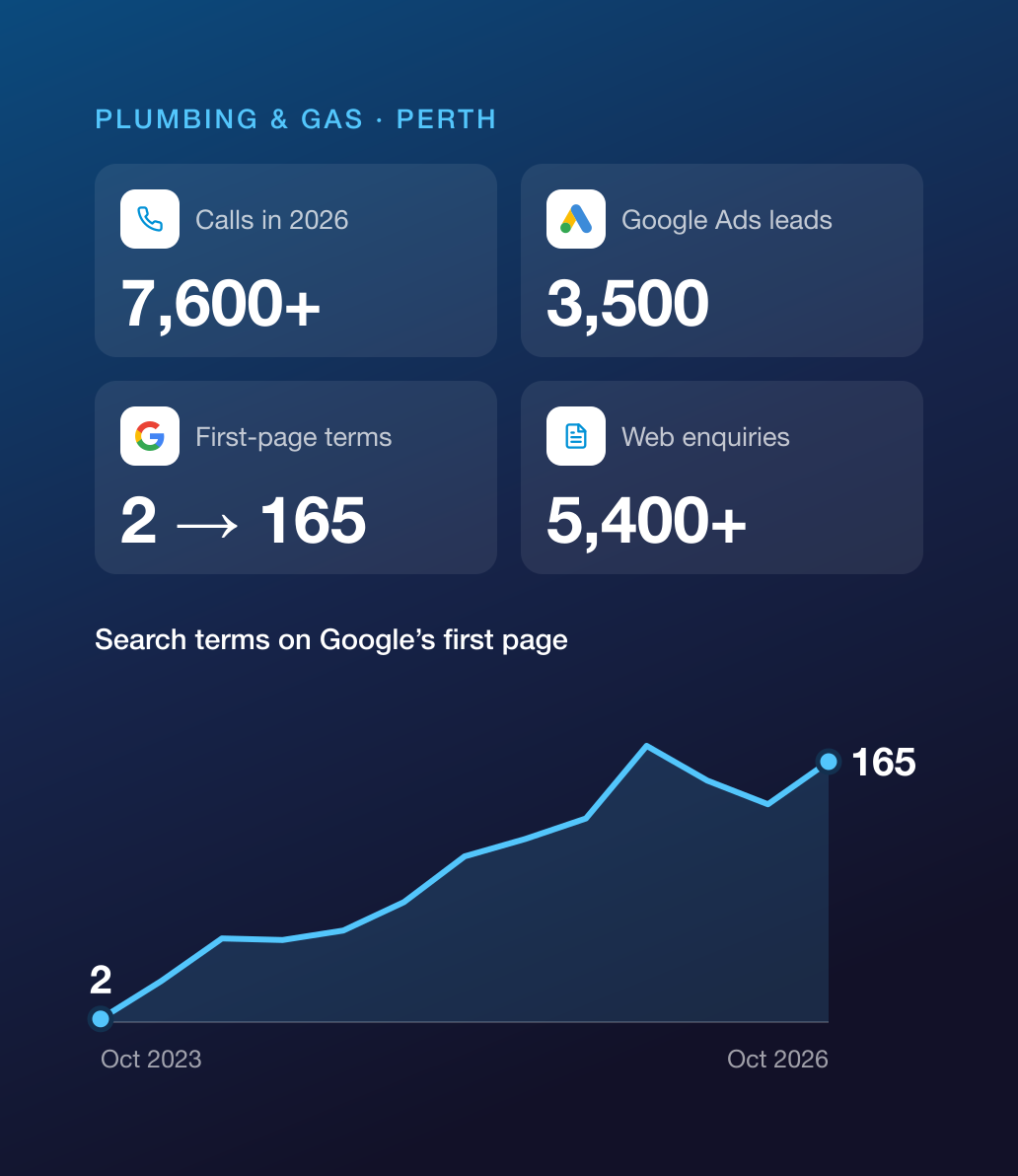
A Perth plumbing and gas company, name withheld at their request. 7,600+ tracked calls so far this year, and 165 search terms on Google’s first page, up from 2 when we started.

Games World runs 25 games and hobby stores across Perth and Melbourne. Since PWD built its WooCommerce store in 2022, it has taken 50,881 online orders and $4.58M in net sales without spending anything on advertising.
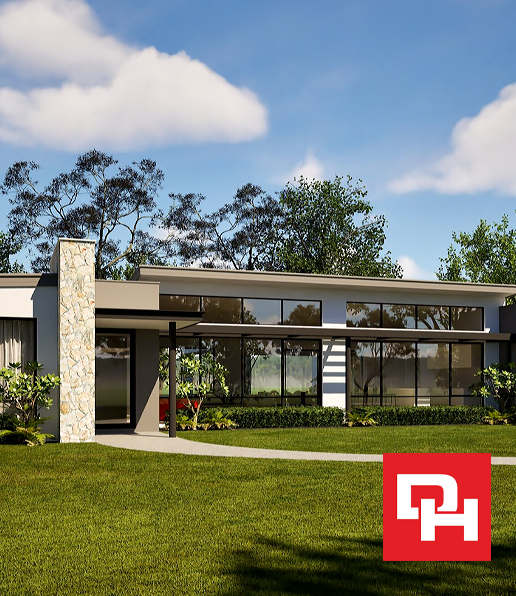
Organic search visits up 96% and enquiries up 46% year on year for Perth farmhouse builder Direct Homes WA. Here is how, and what comes next.
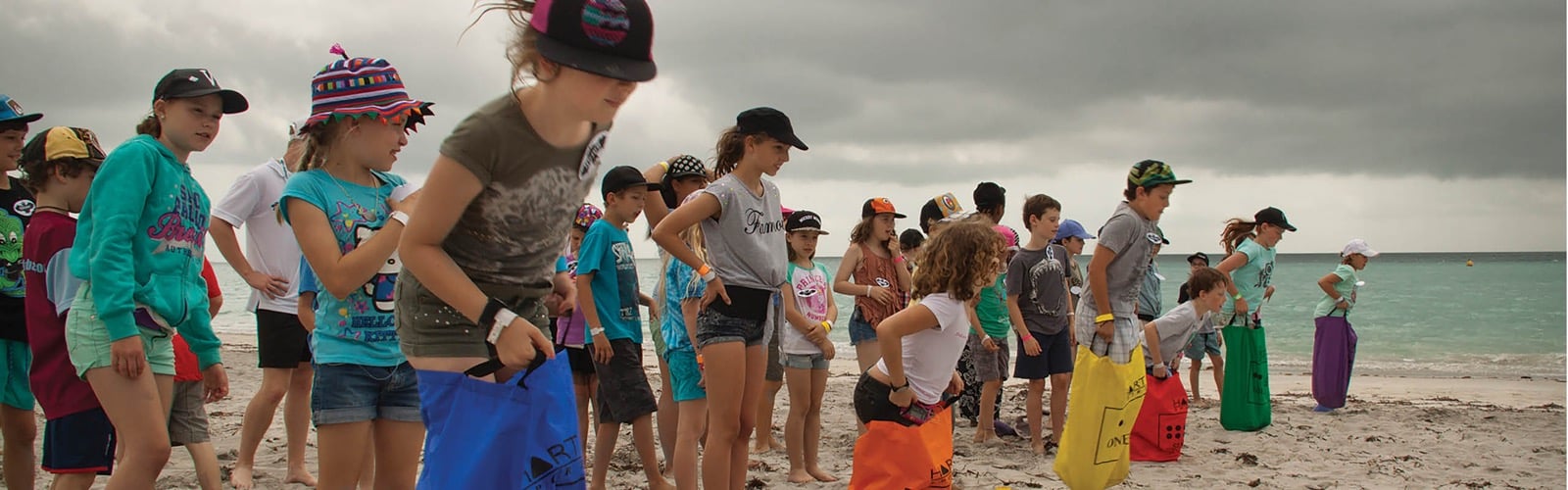
Organic search visits up 61% year on year for WA’s peak diabetes body — product pages ranking from zero, health content growing, and a new support section finding its audience.
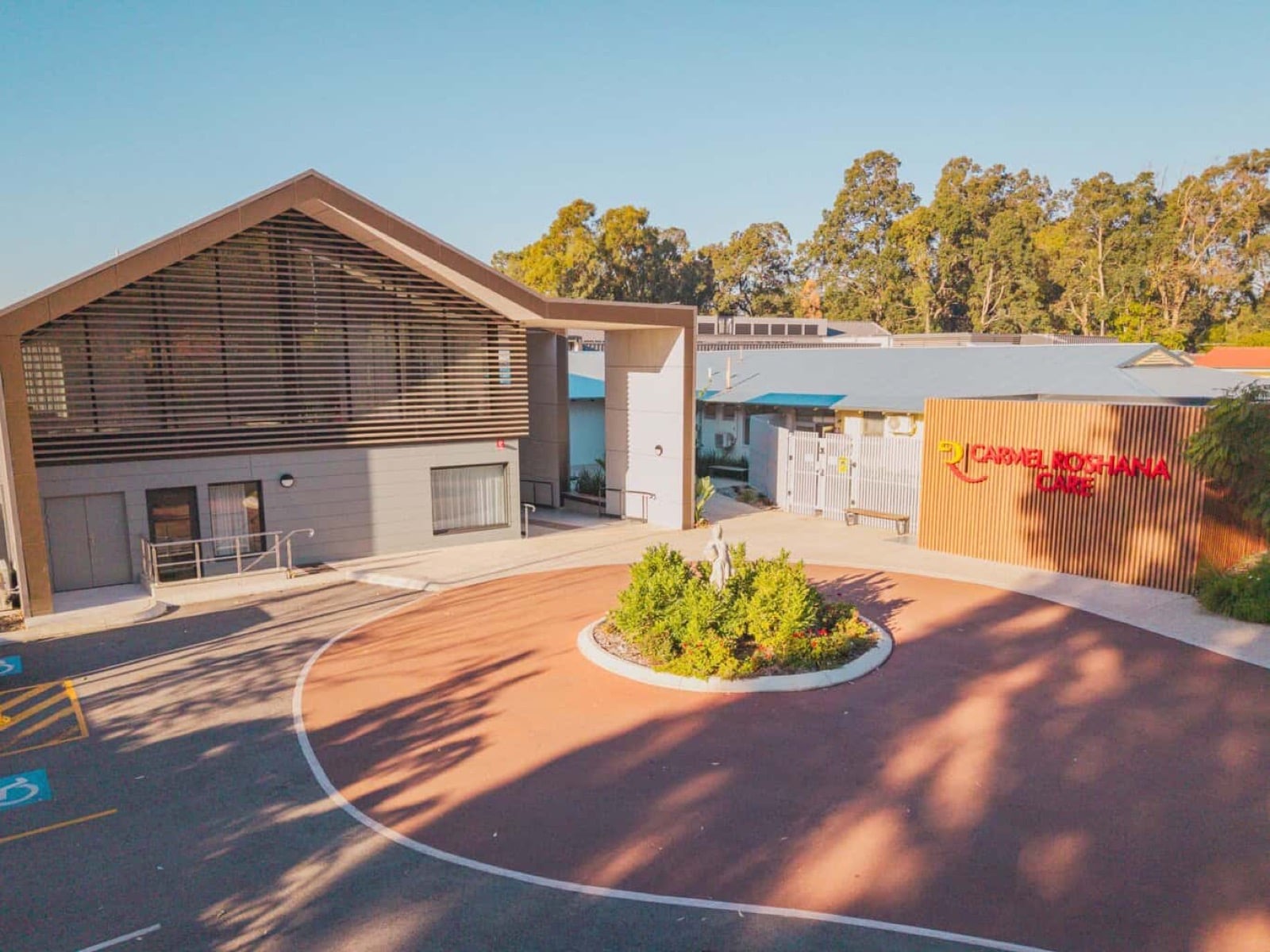
Organic visits up 53% comparing August with August, and 6,700+ enquiries from organic search in six months for a family-owned aged care group with homes across Australia.

Organic search visits up 72% year on year, and more than 1,900 tracked enquiries in six months. How PWD made novated leasing findable for Kooya Salary Packaging.
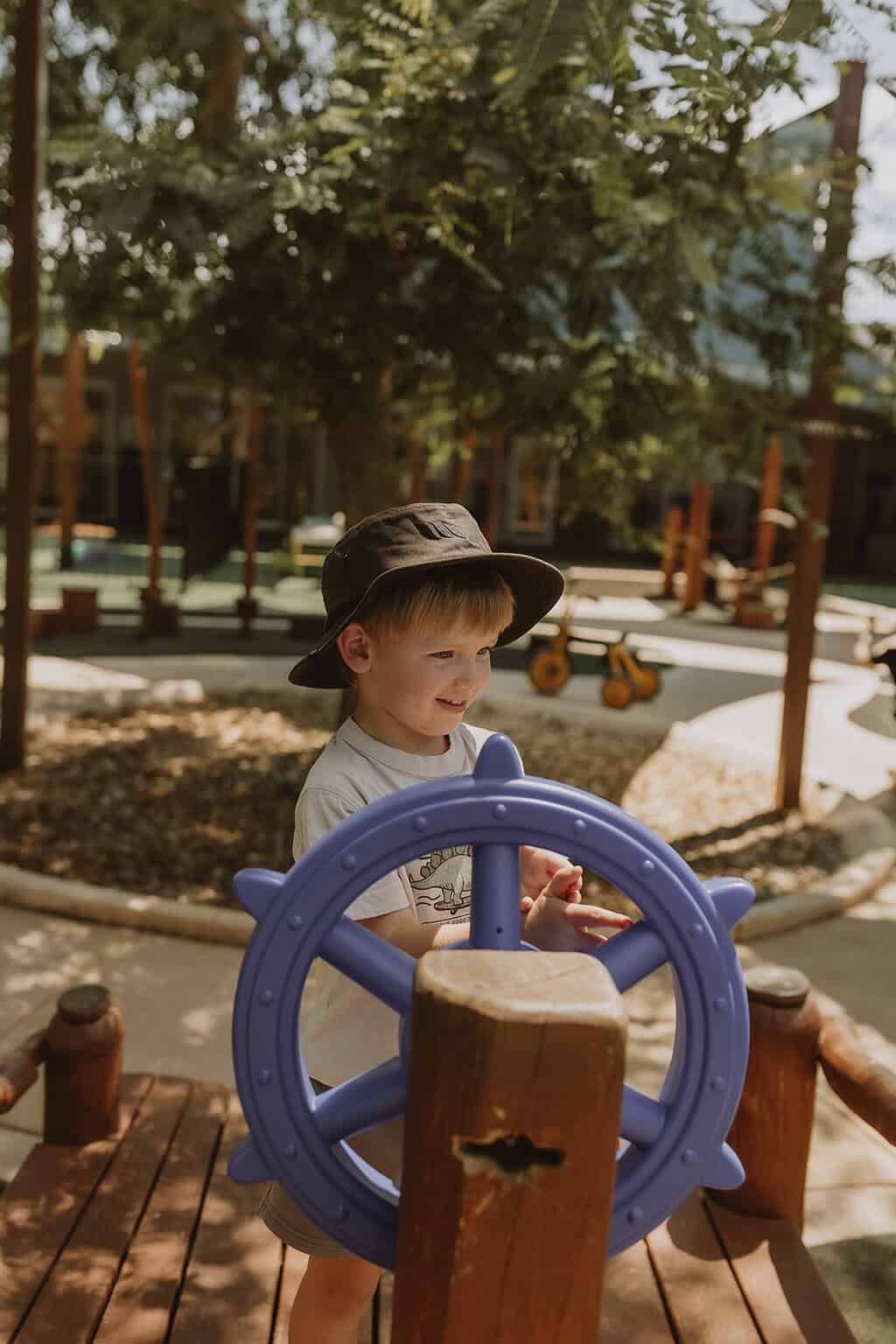
Cuddles Early Learning & Childcare runs early learning centres across Perth. Loved by the families who know them, harder to find for the ones who did not – until suburb-by-suburb SEO lifted organic visits 63% and enquiries 56% in a year.
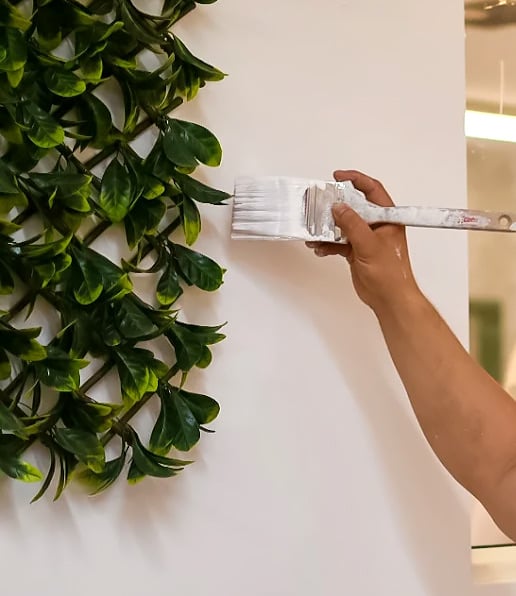
ABC Paint & Deco is a Dulux Accredited painting and decorating contractor working across Perth. Two months in, form enquiries are up 131%, with roughly $200K won and $700K quoted from the website.
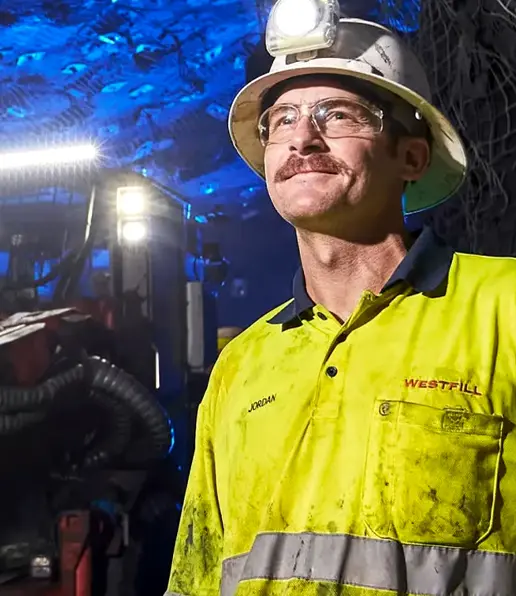
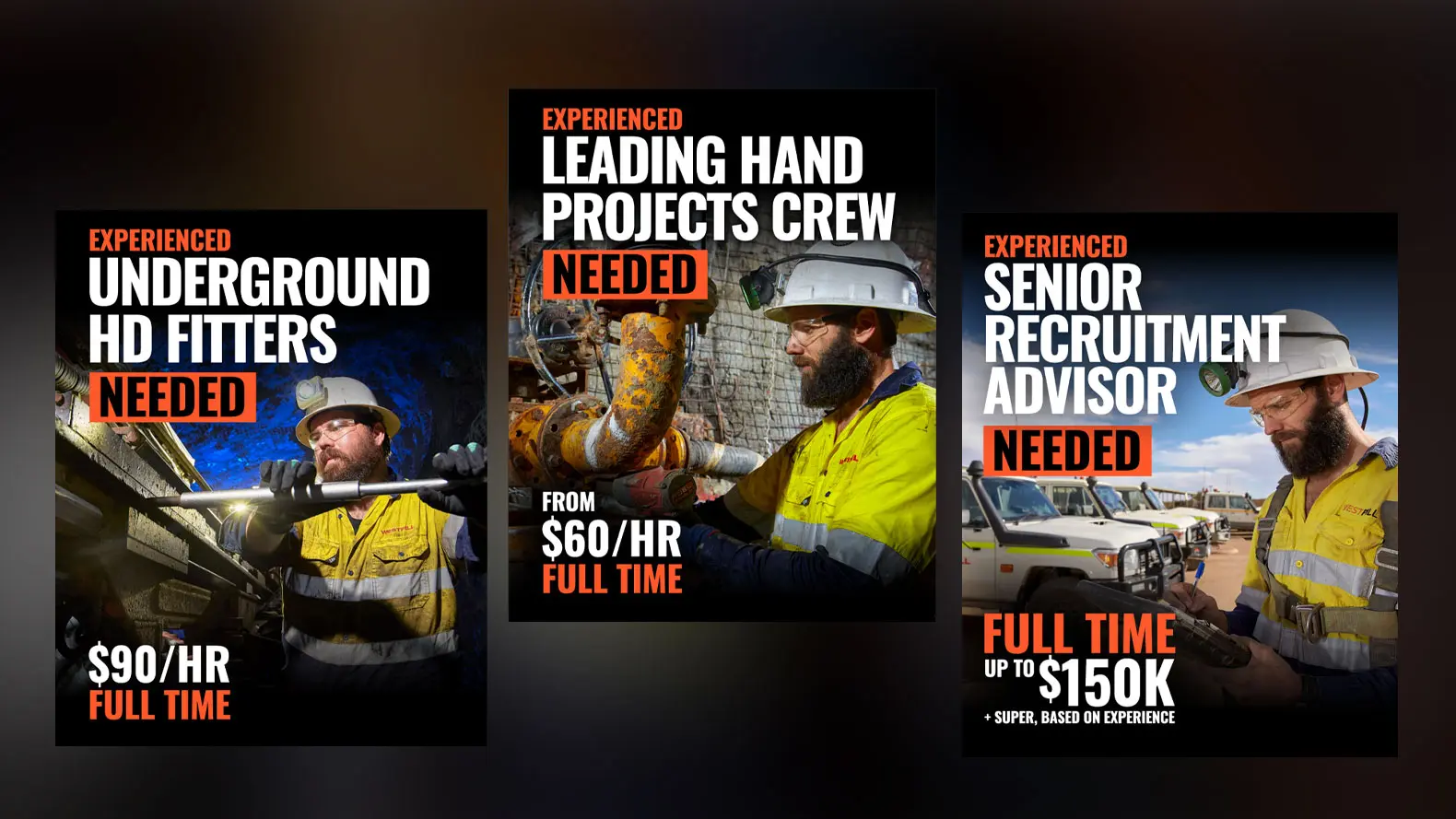
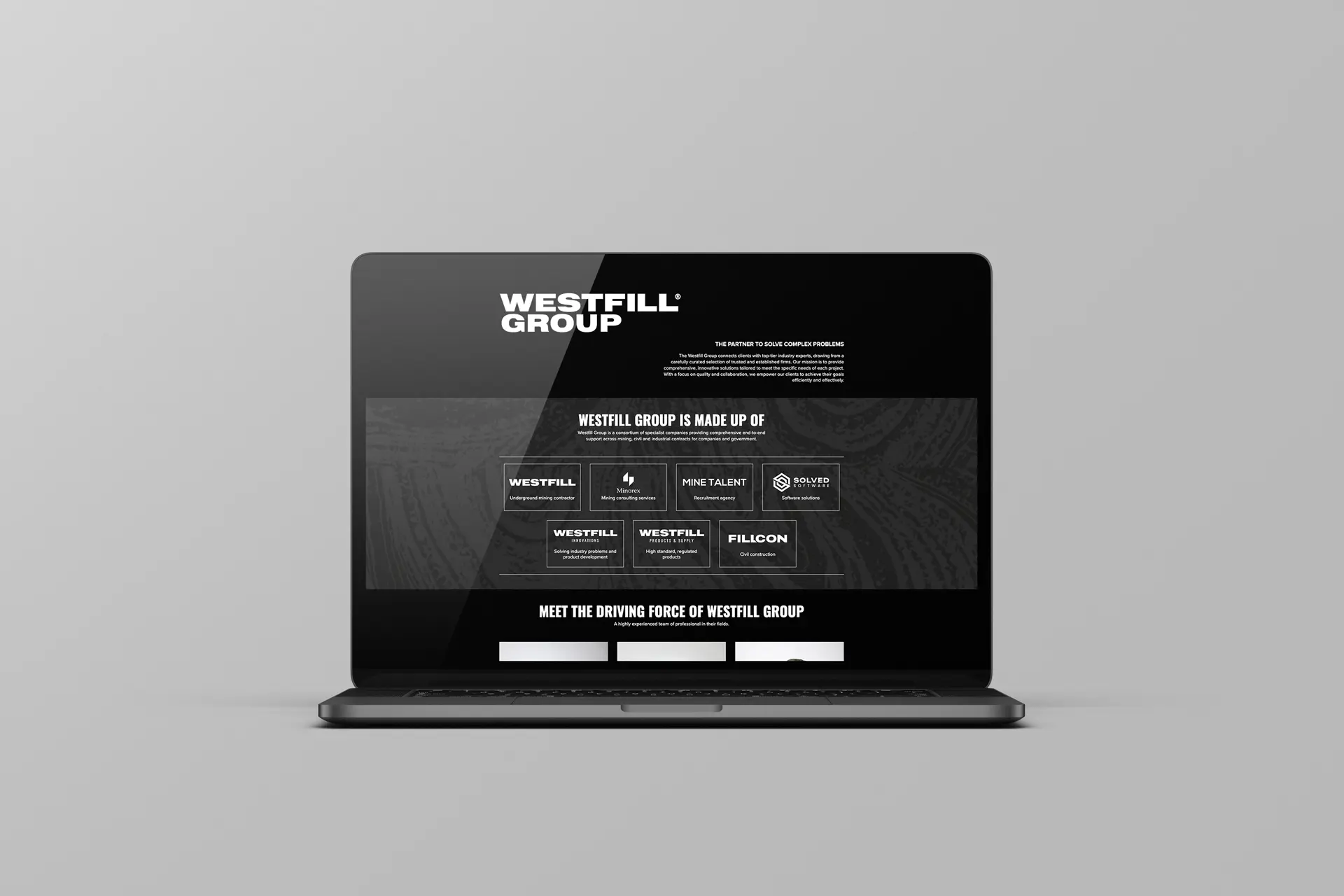
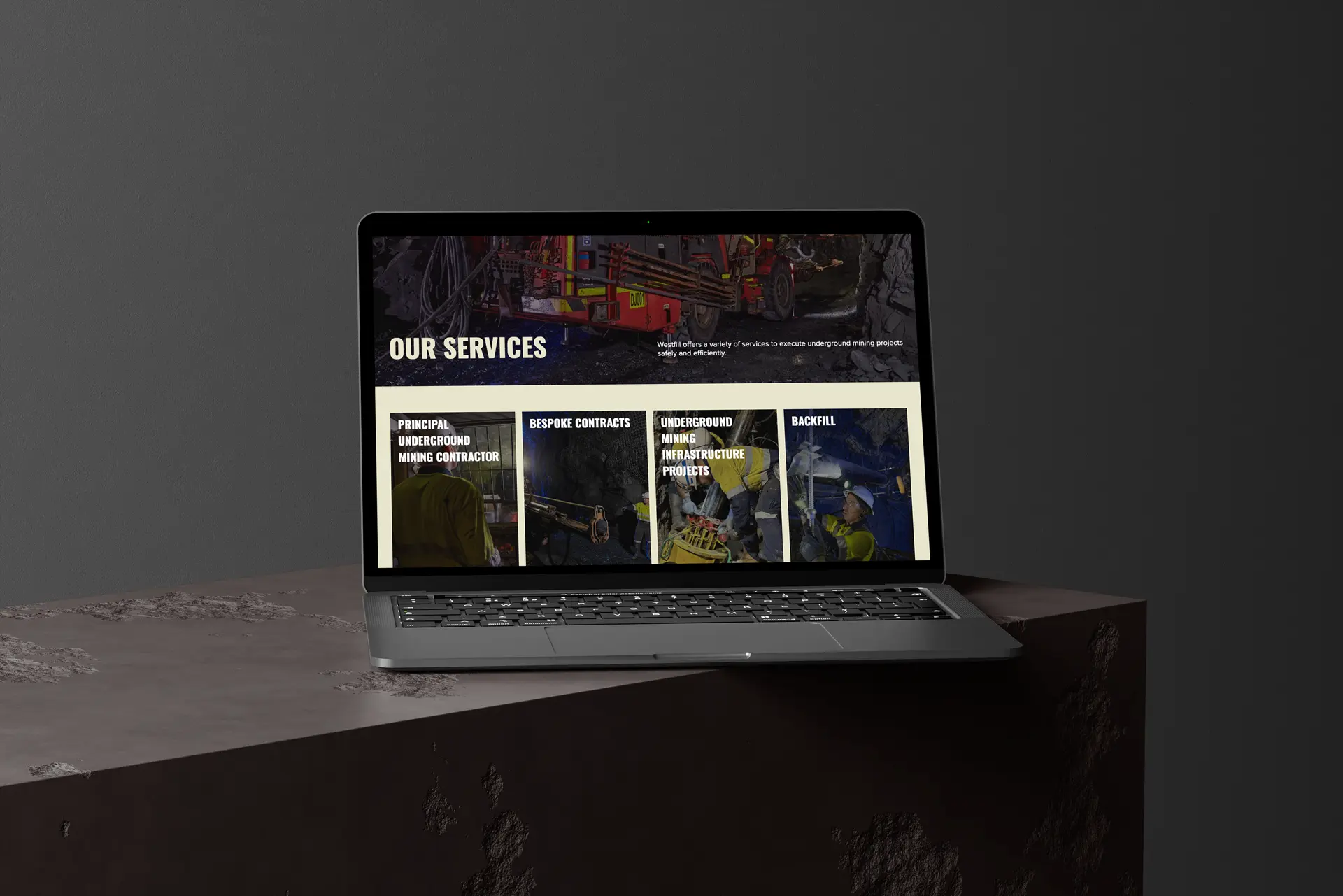
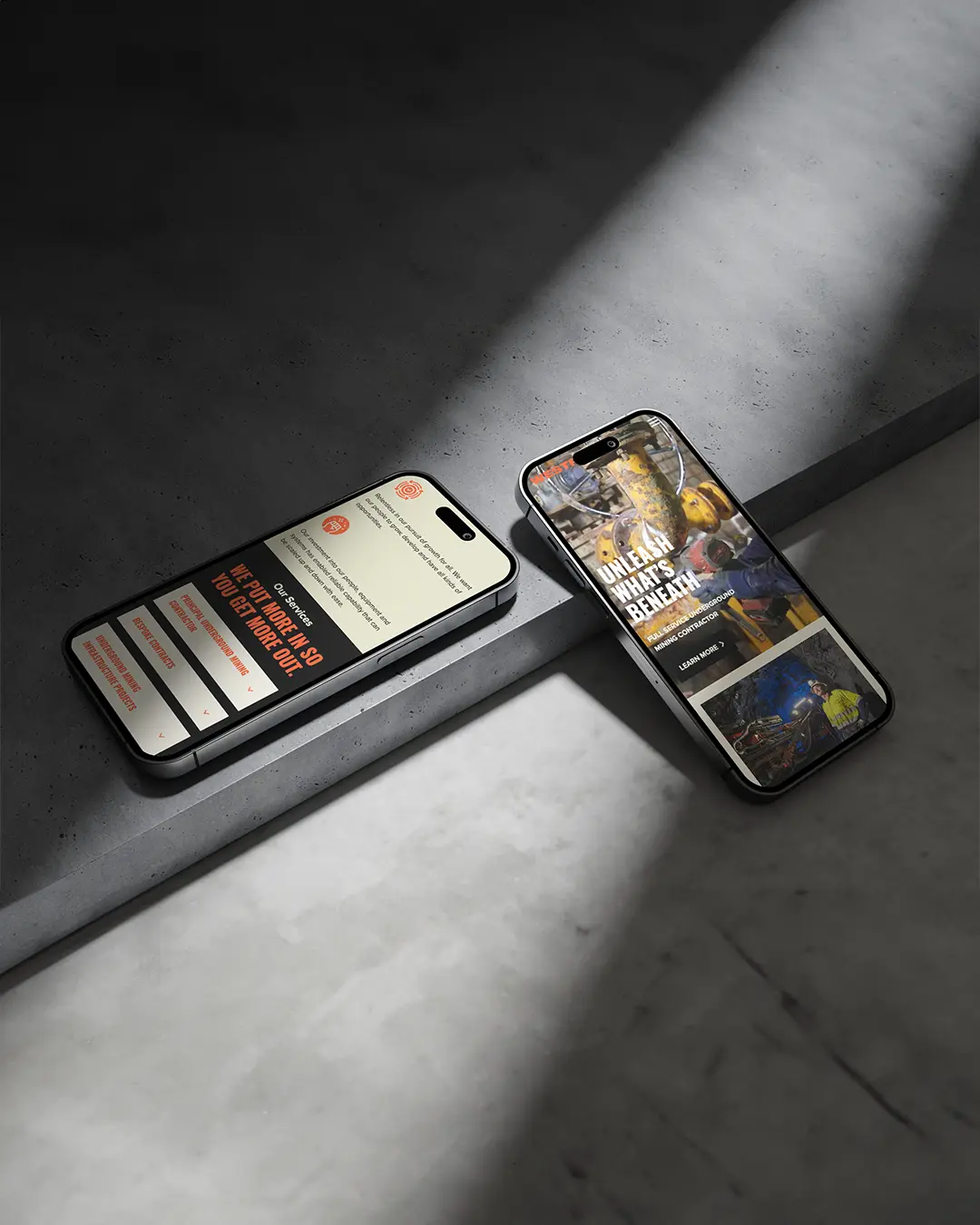
Westfill Pty Ltd is part of the Westfill Group – a growing consortium of specialist companies providing end-to-end support across the mining sector.

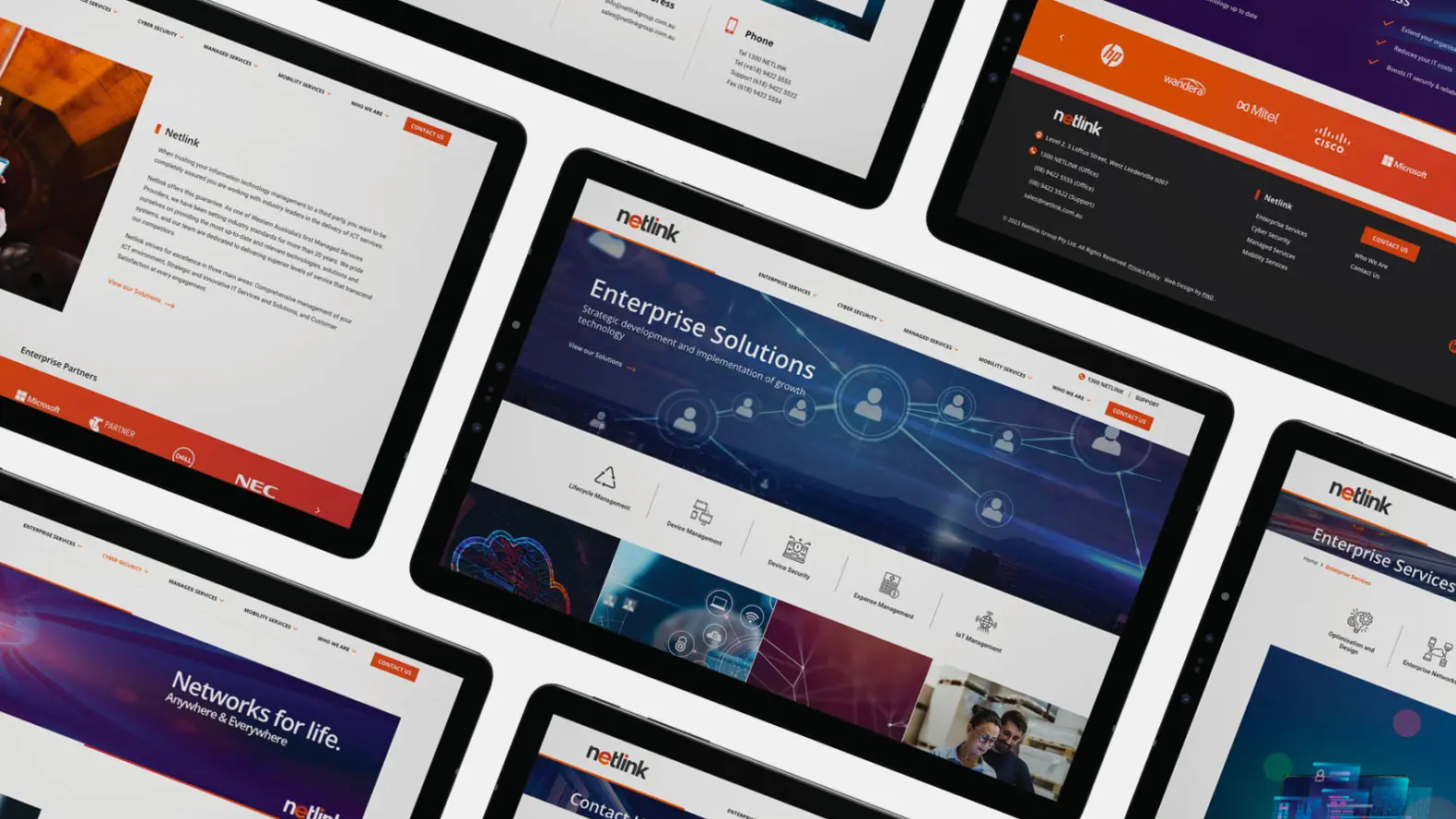
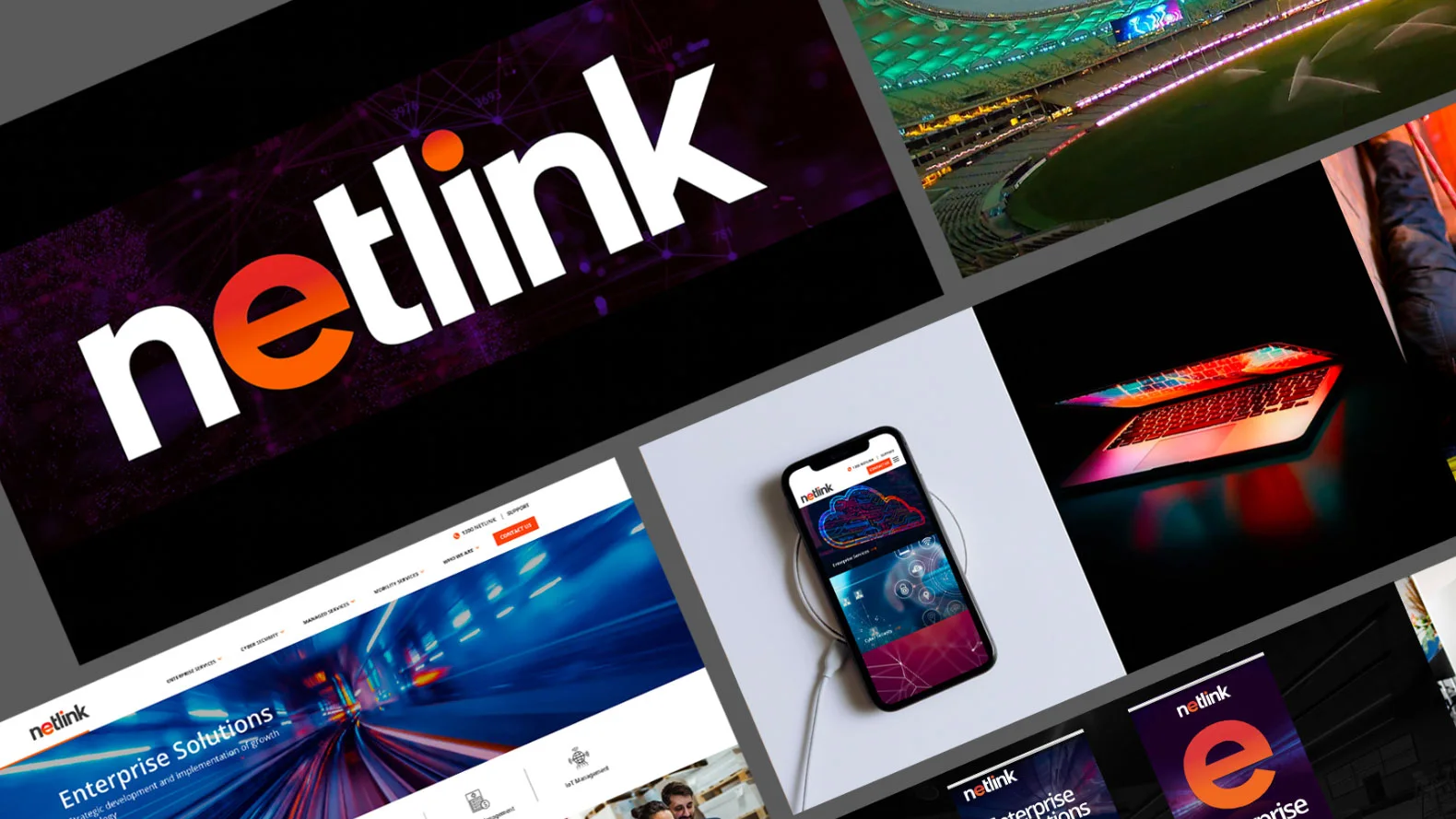
Netlink, a Perth-based Managed Service Provider (MSP), had built a strong reputation in IT services through word of mouth and referrals. While trusted by clients, their digital presence didn’t reflect their credibility or expertise.

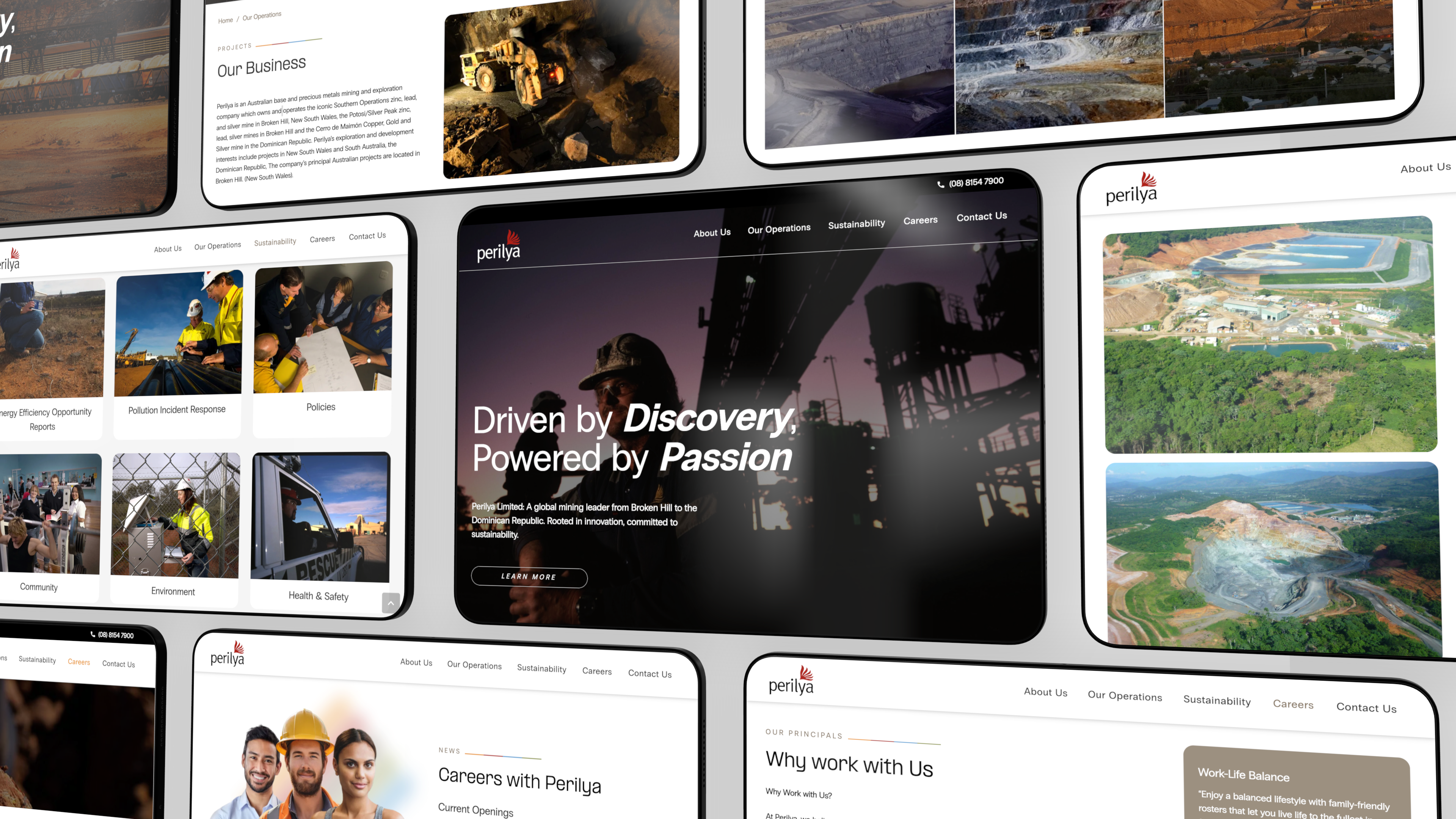
We redesigned Perilya’s website to capture their evolution from a historic Australian miner to a globally recognised, forward-thinking resources company.
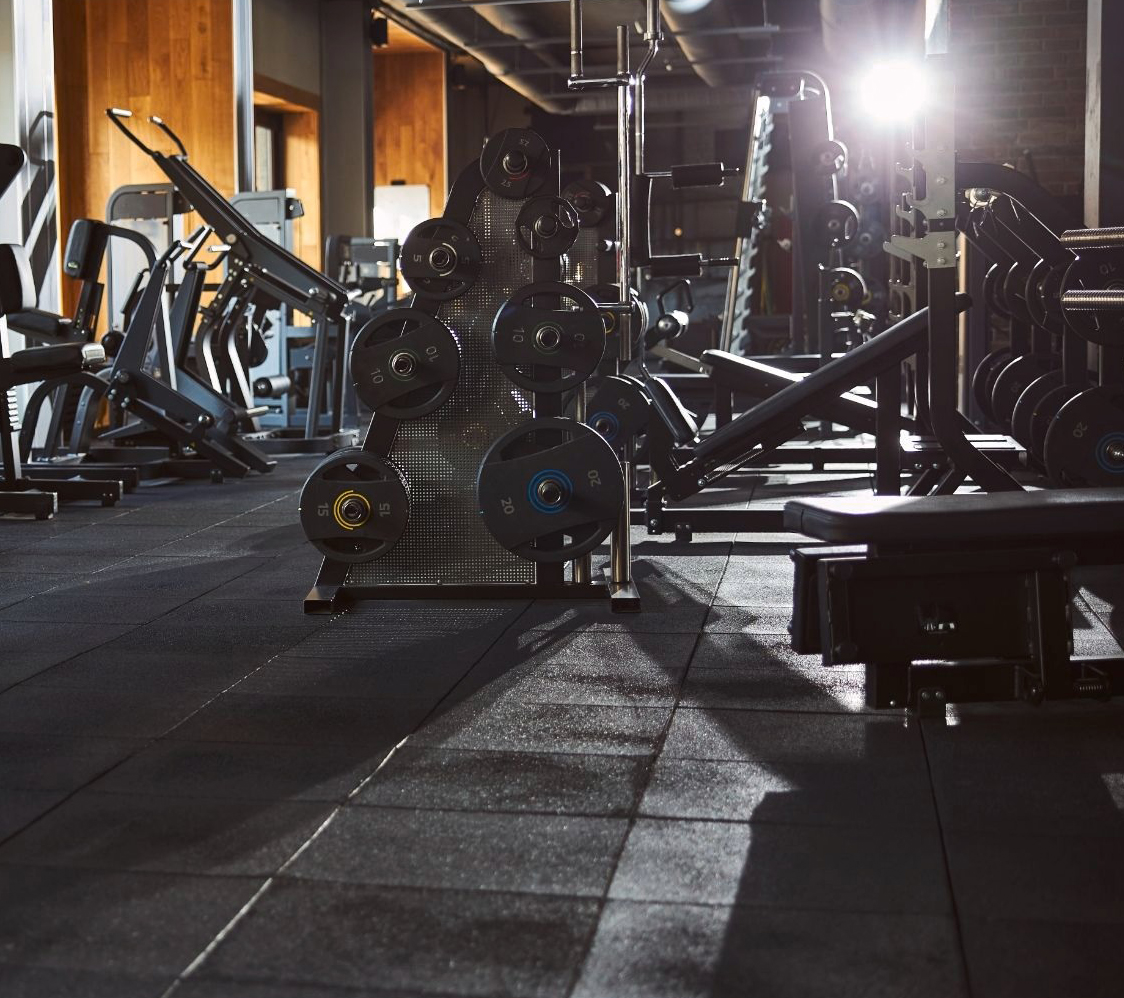
Ultron WA offers commercial gym fitouts for a wide range of applications, including corporate and on-site use.

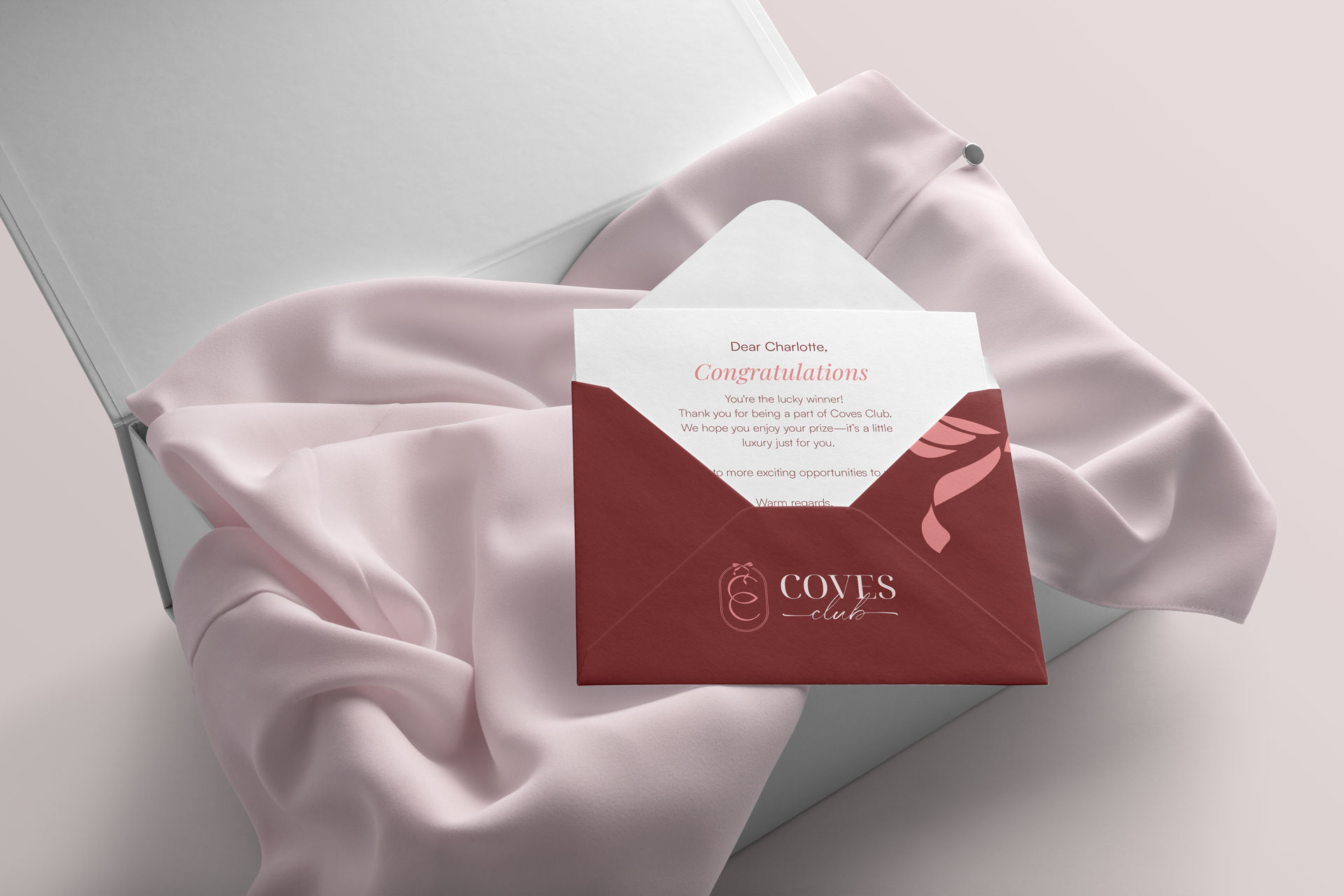
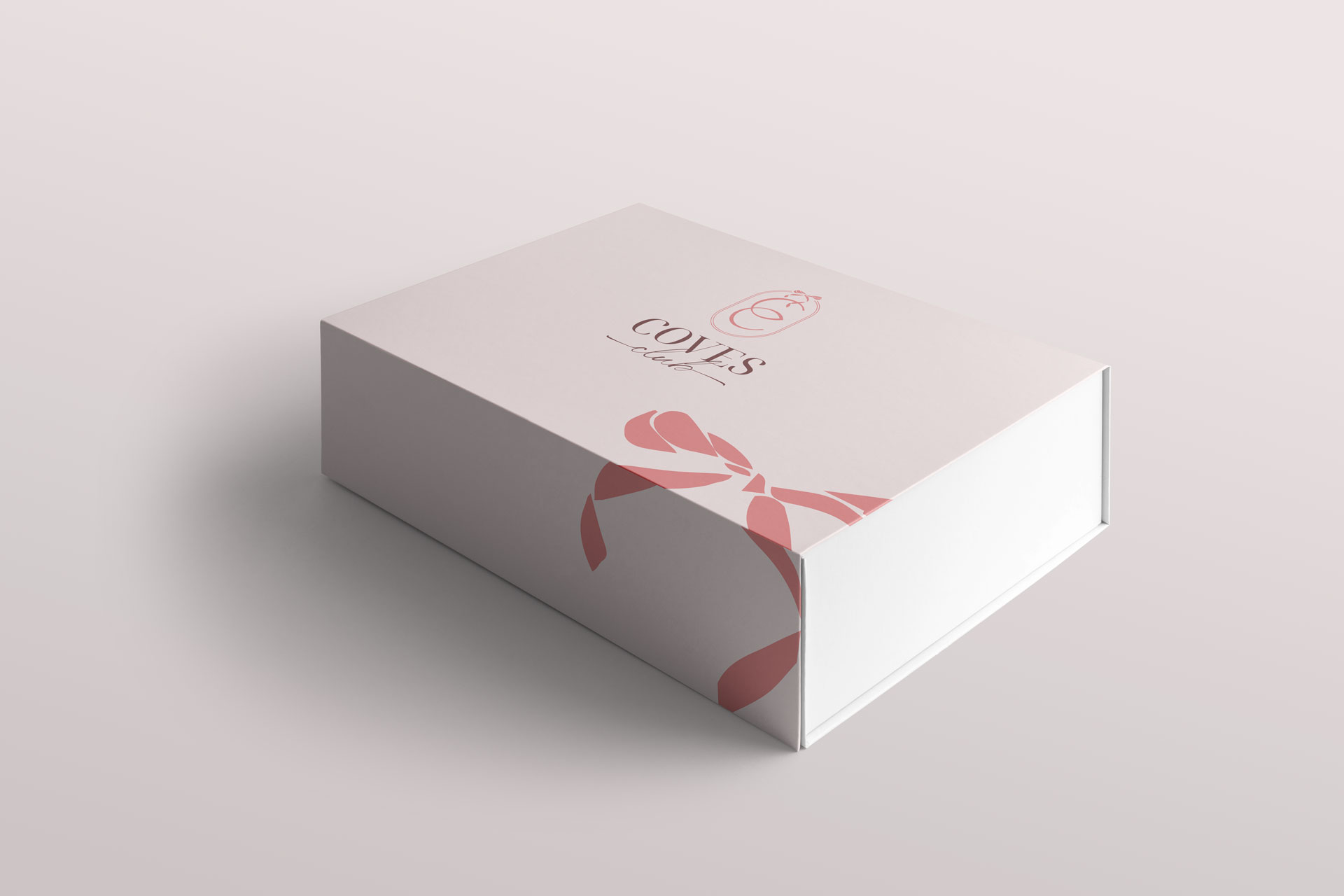
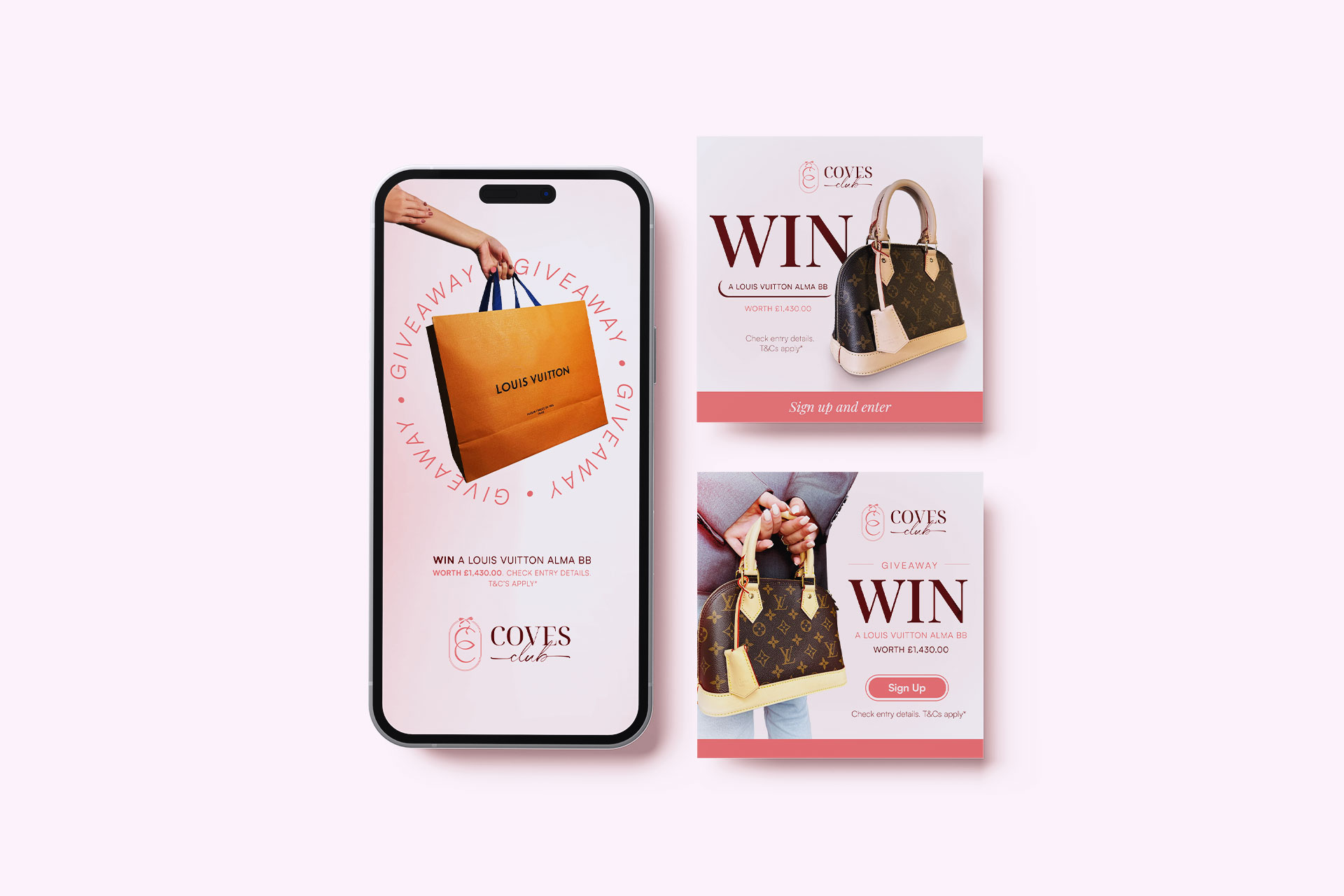
Coves Club is a luxury membership brand tailored to a young female audience.
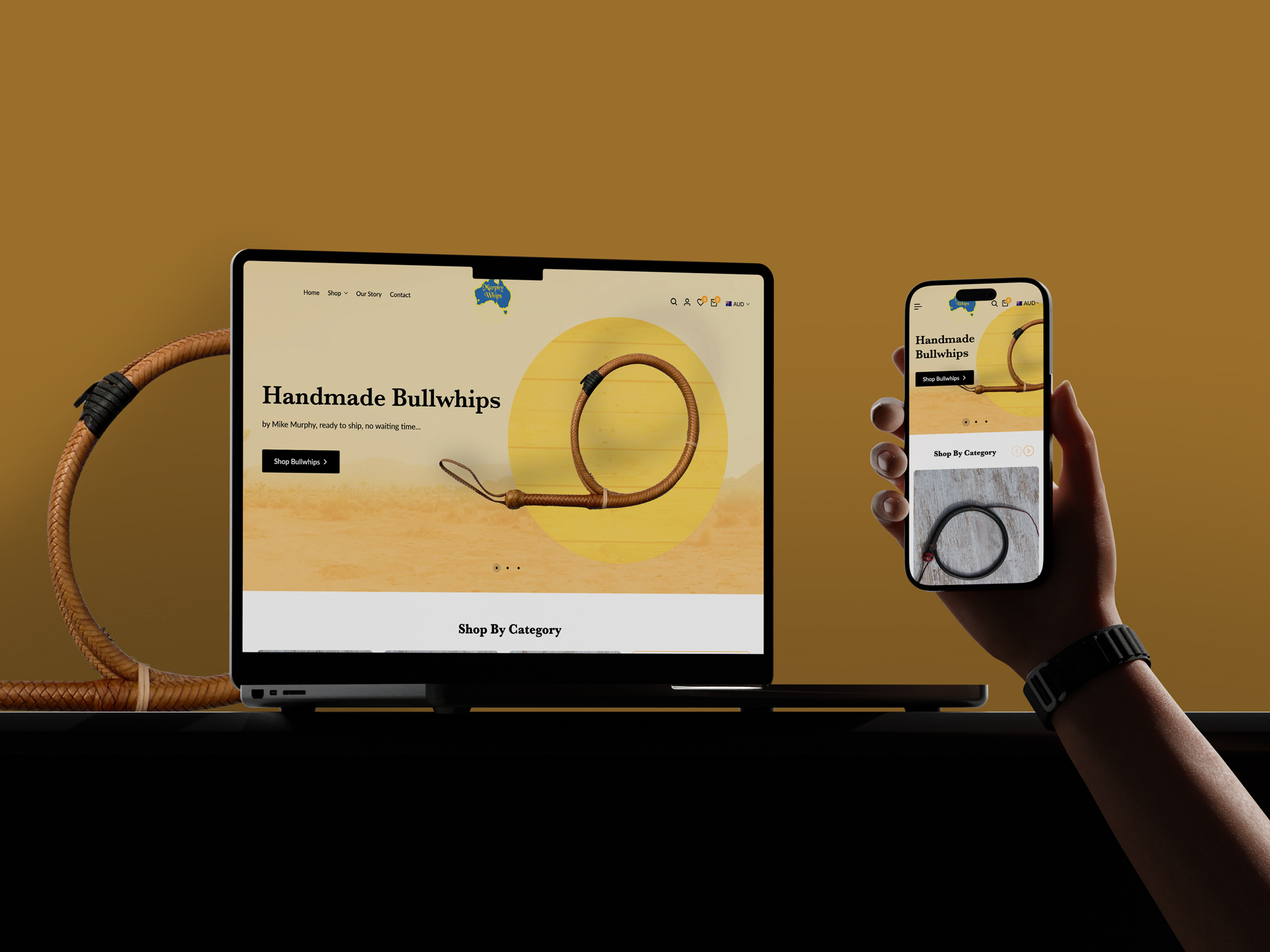
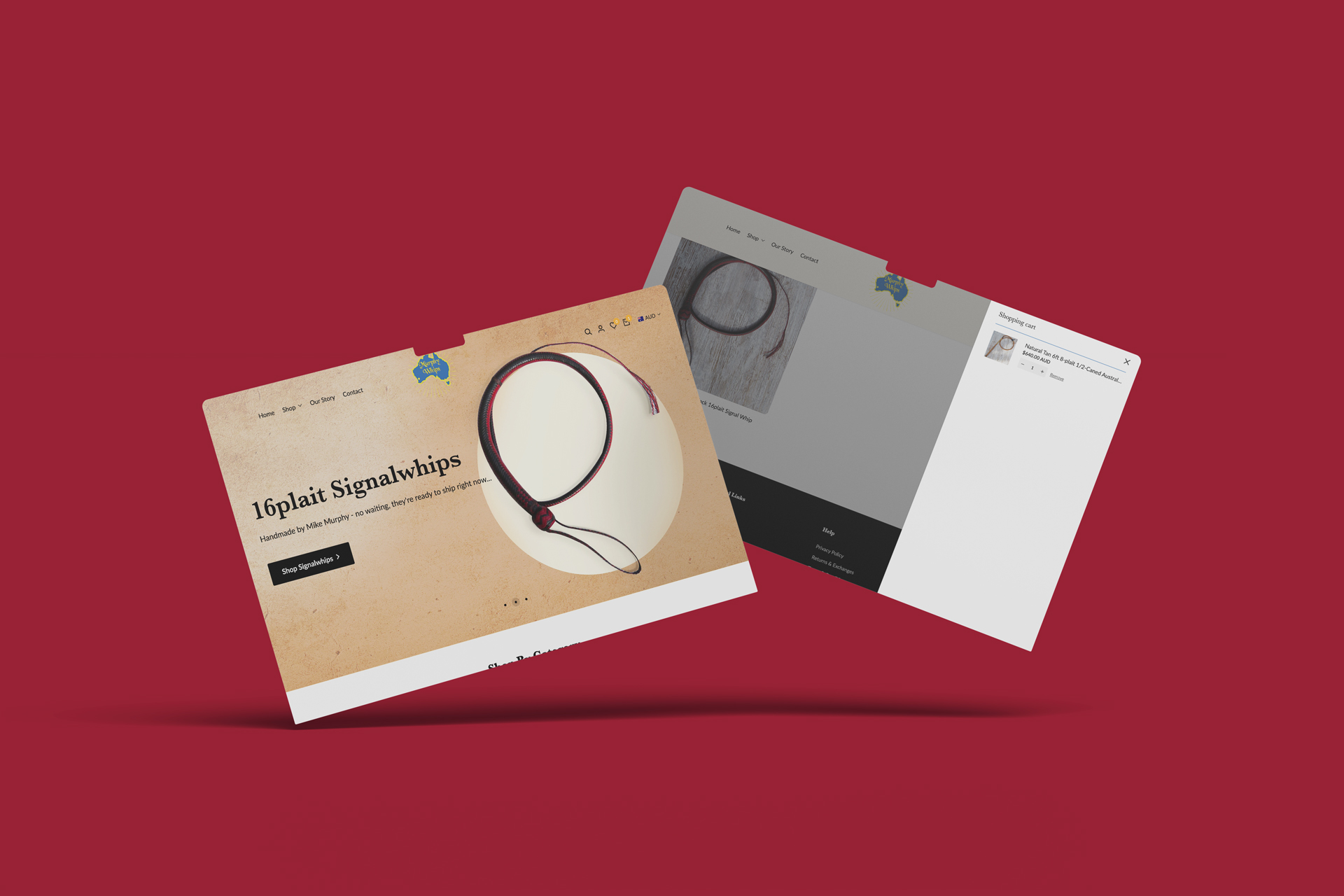
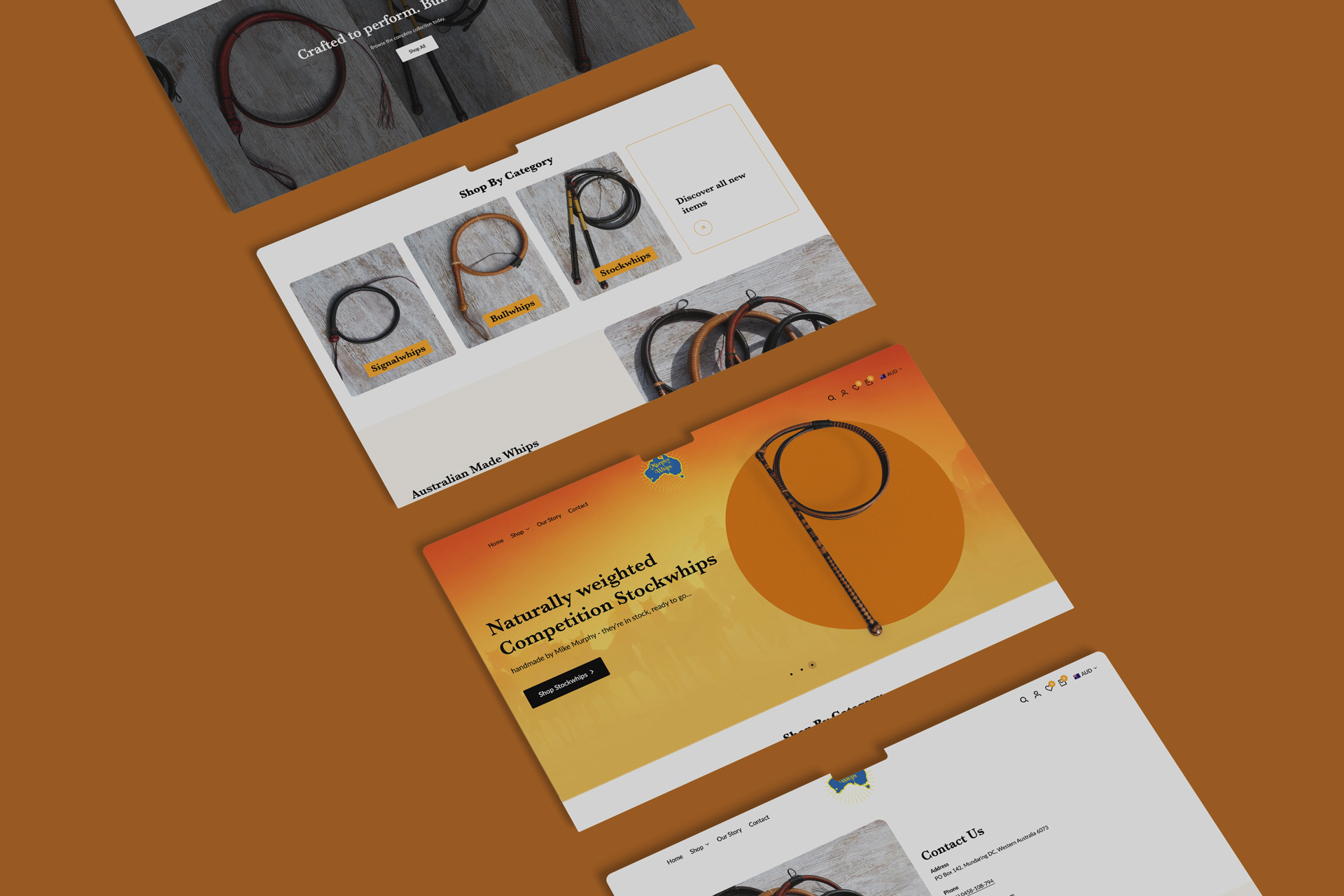
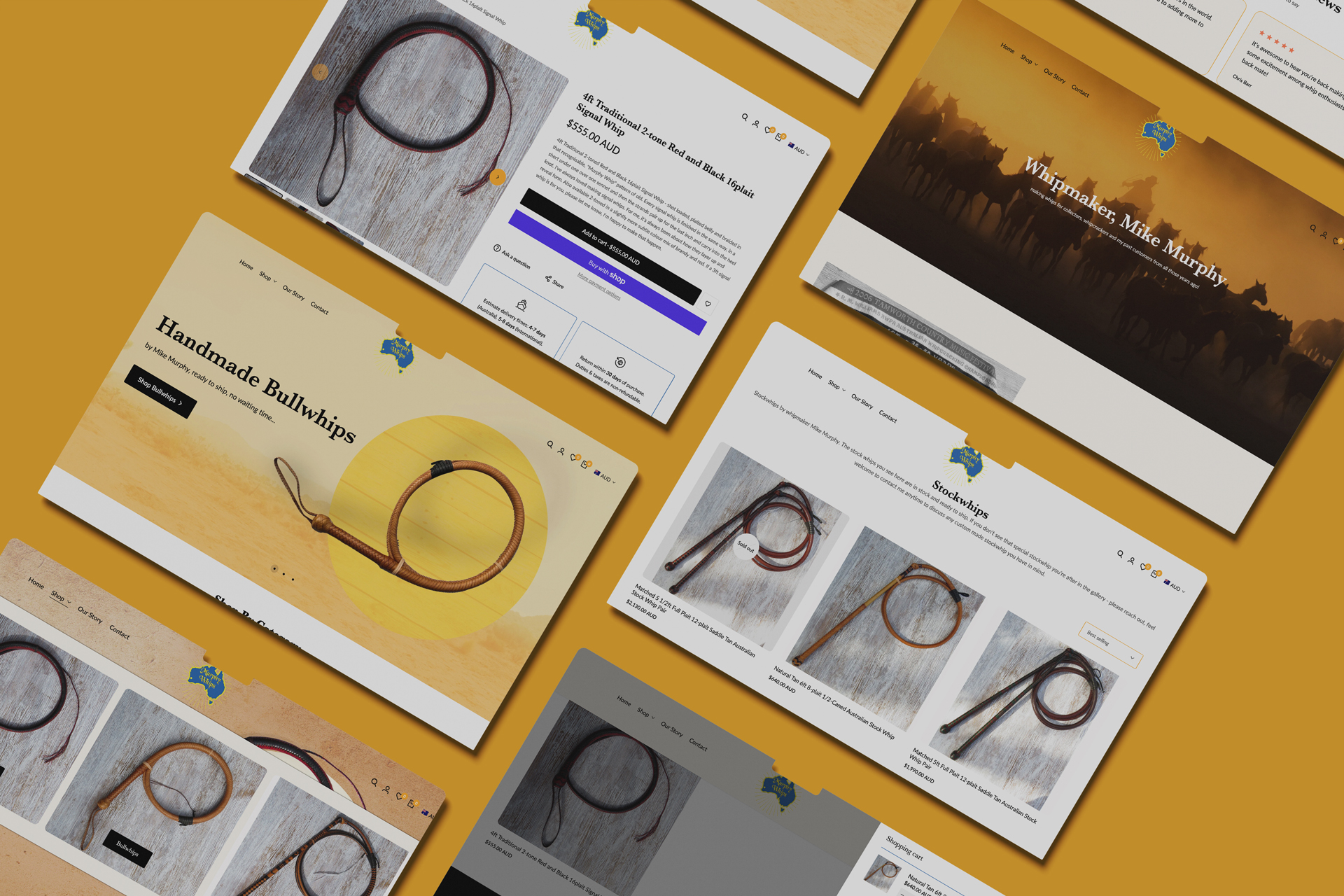
Custom Shopify site for Murphy Whips, showcasing handmade products with custom fields, global ordering, and easy backend management from design to launch.

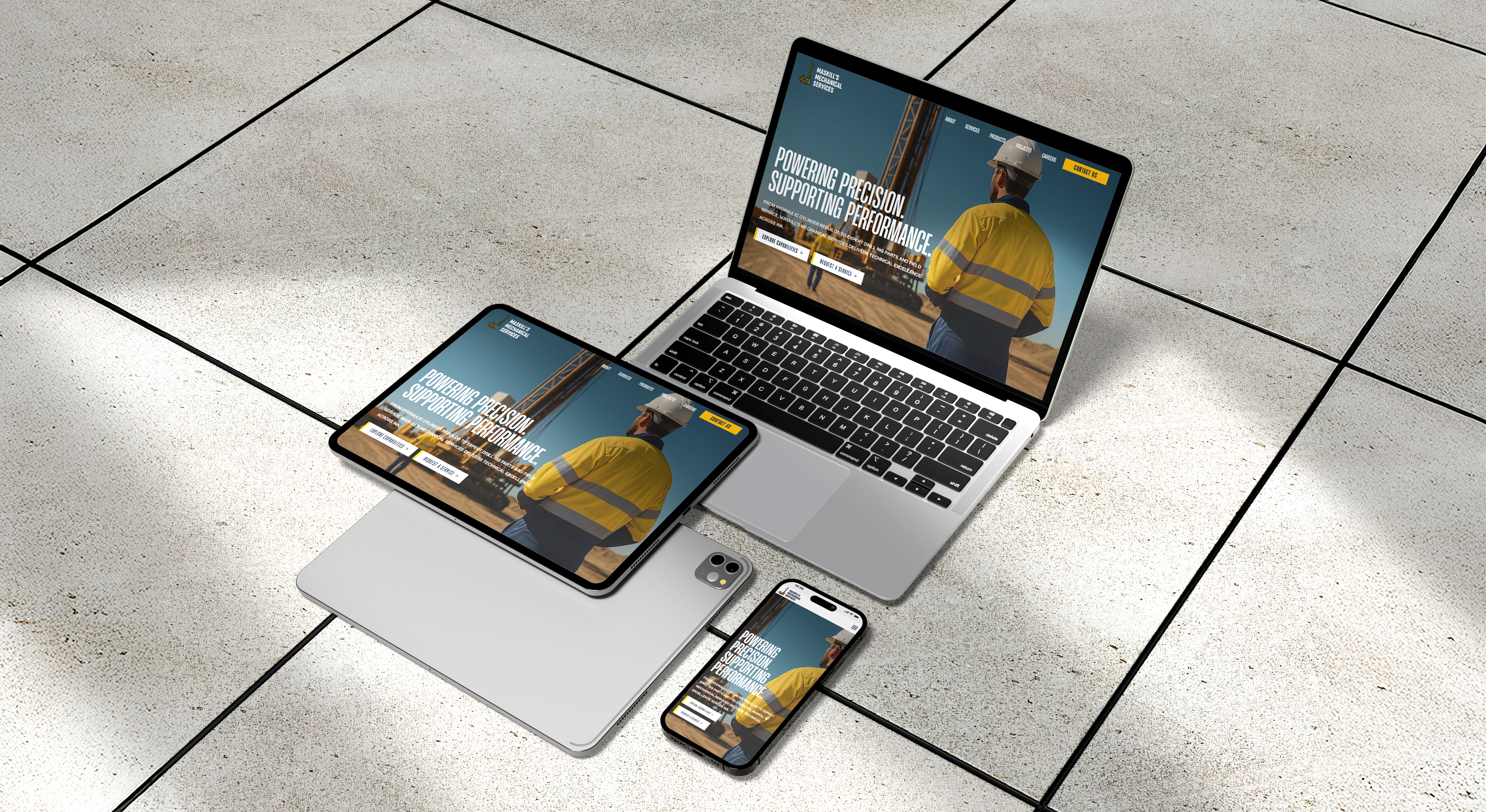
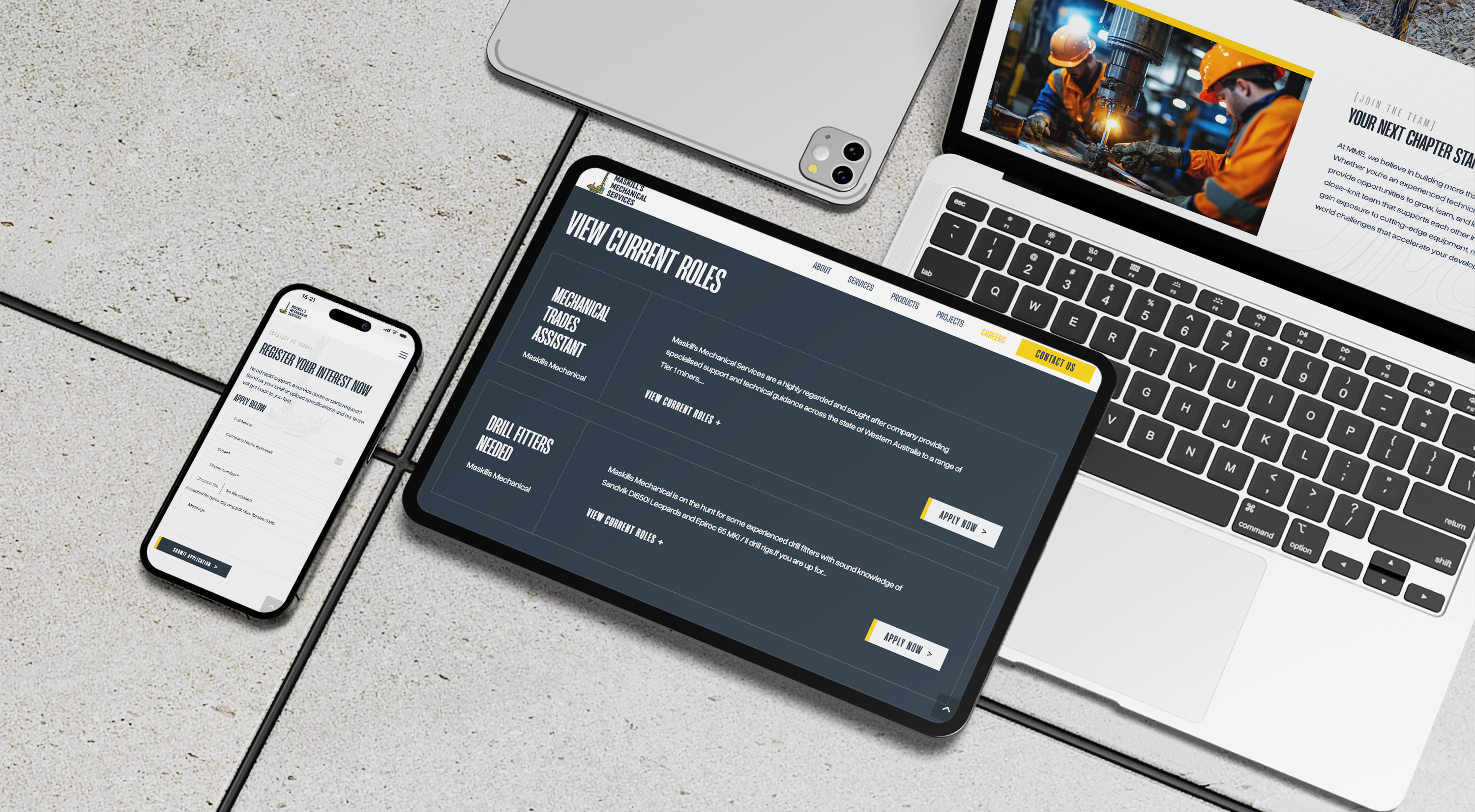
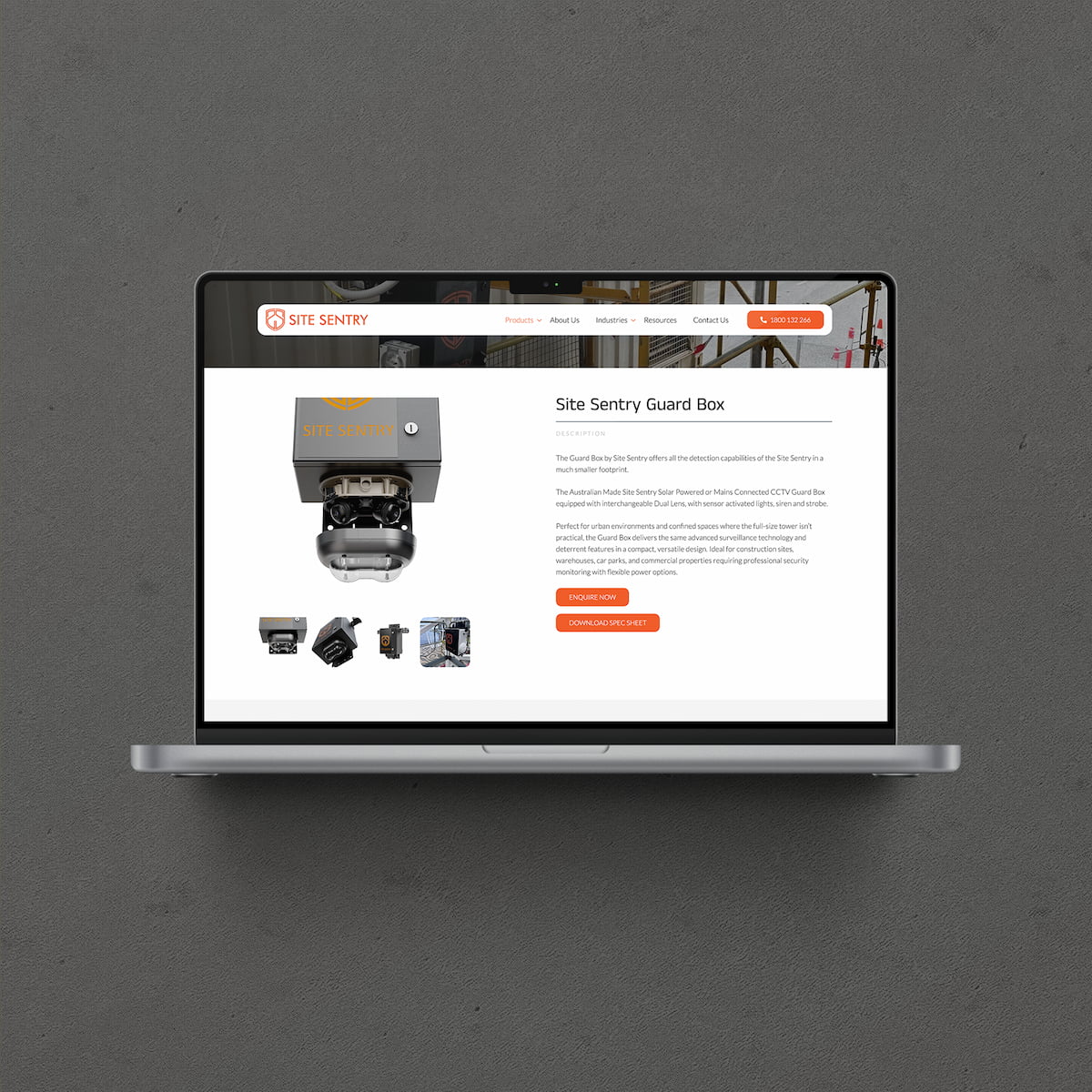
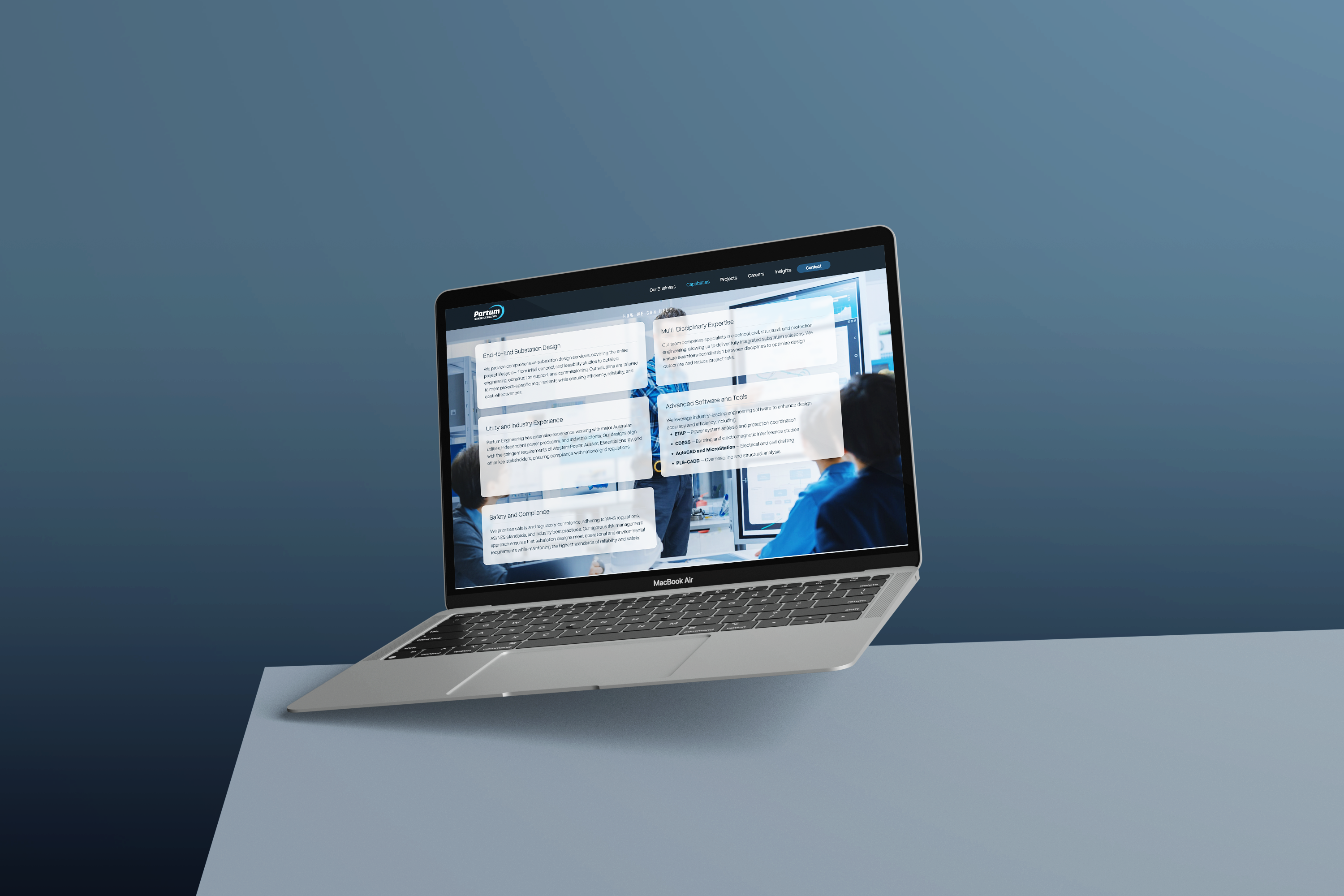
A bold, precision-driven platform showcasing WA’s leaders in mechanical service, engineering innovation, and field support for the mining sector.
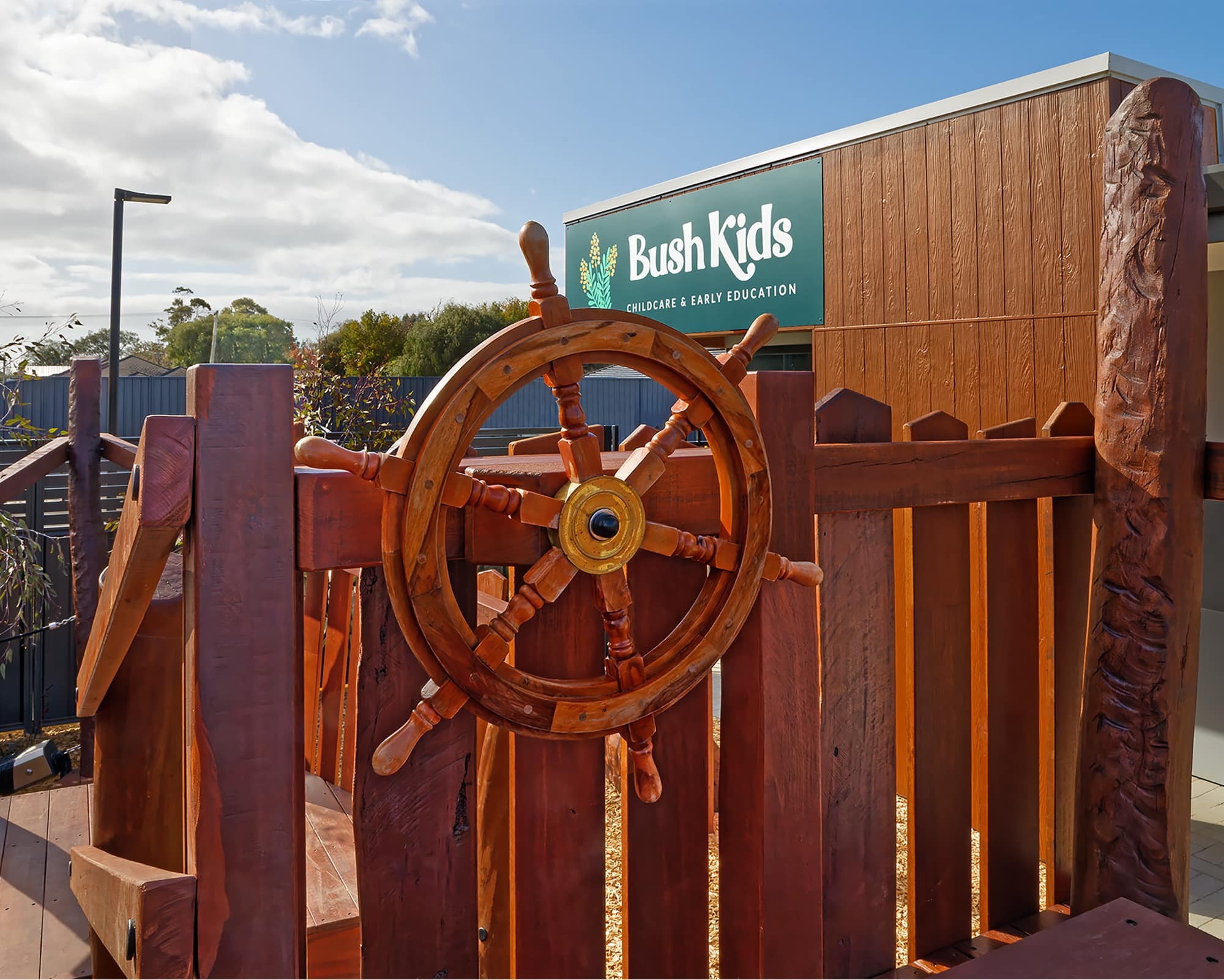
Bush Kids, a growing early learning and childcare provider in Western Australia, approached PWD to modernise their online presence and support their expansion into new locations.
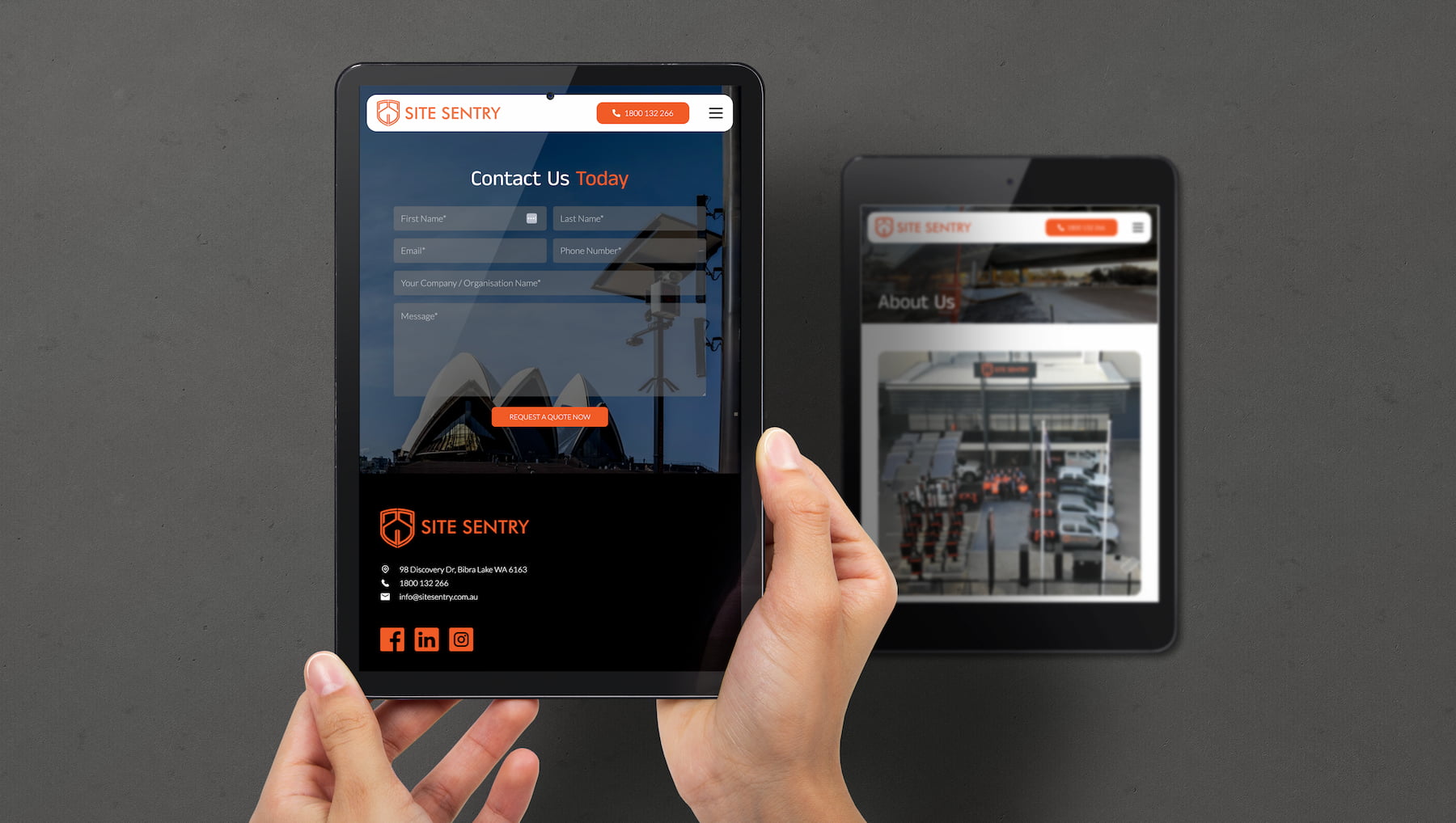
PWD created a visually compelling website and entertaining and educational video sequences.

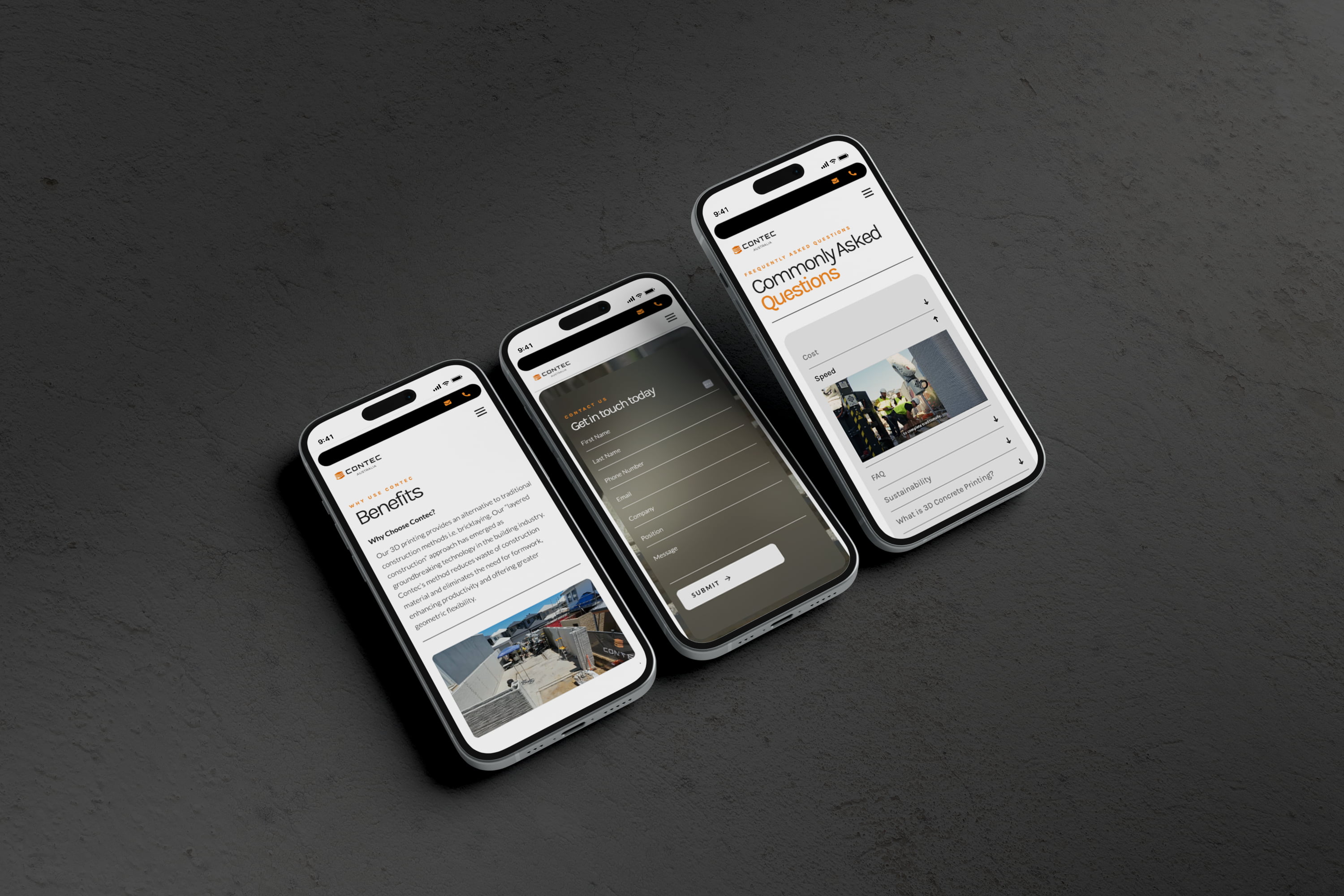
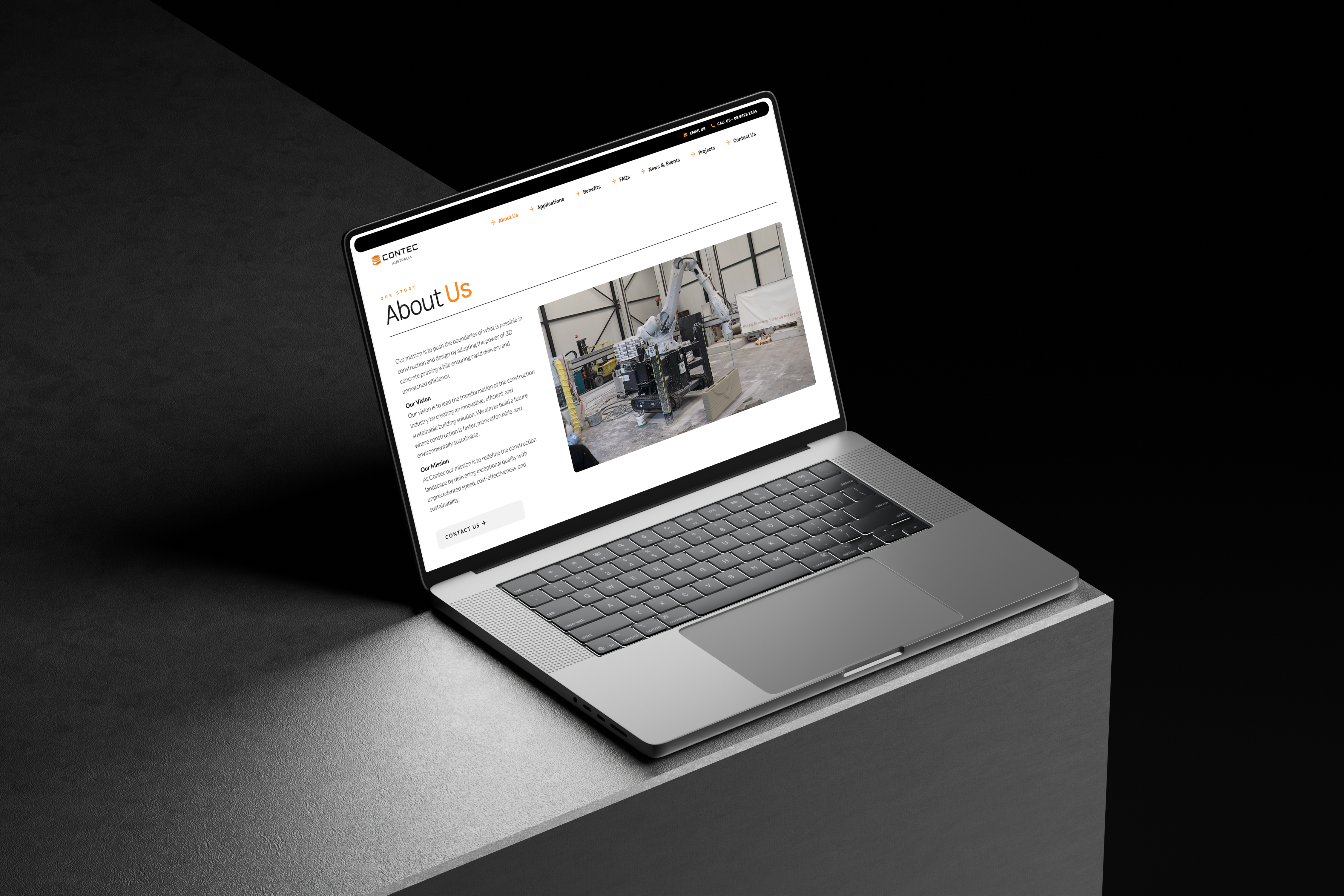
A bold, future-focused platform showcasing Australia’s first 3D concrete printing technology.

A fully restructured website reflecting their real-world expertise, capability, and professionalism.

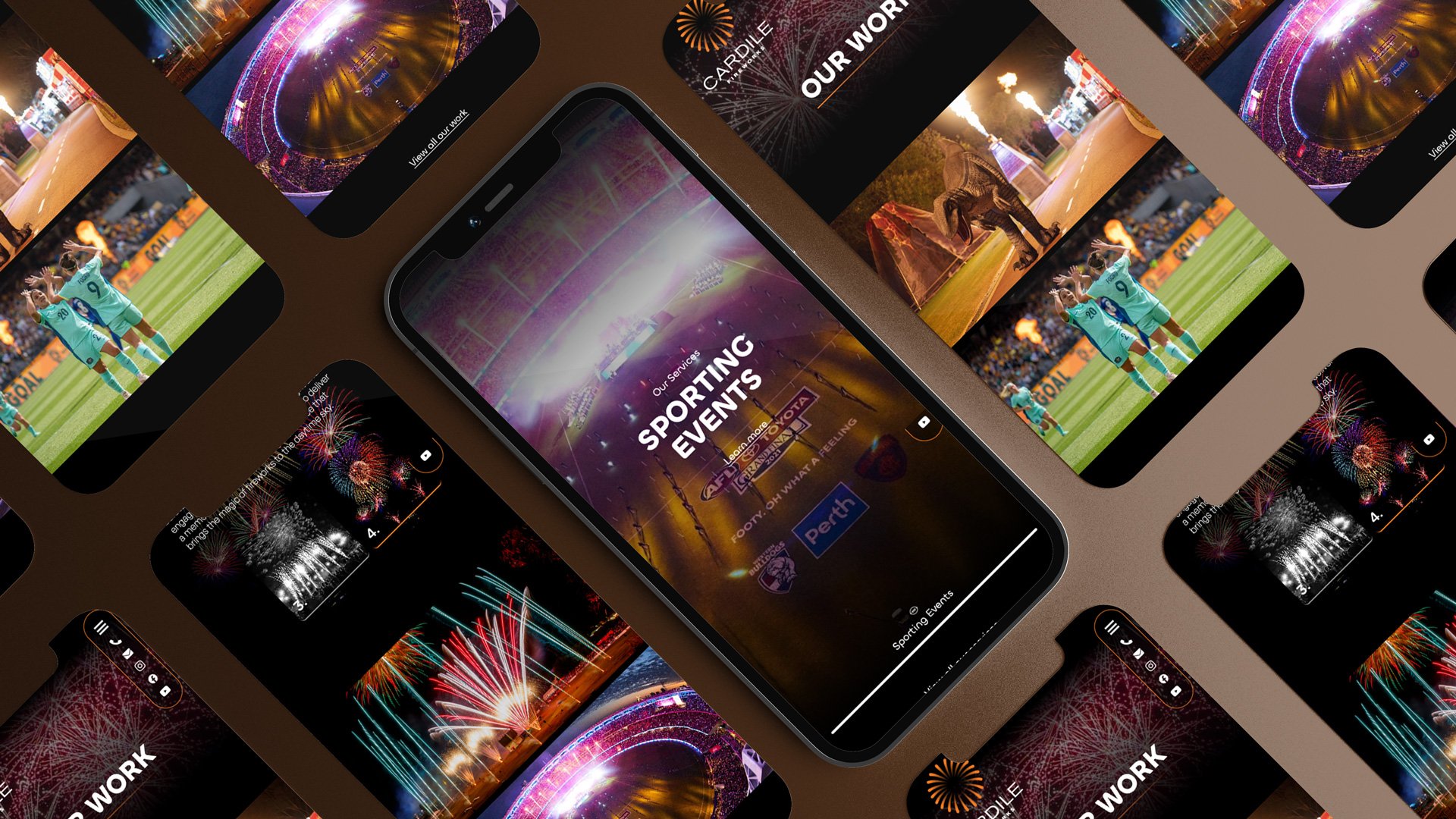
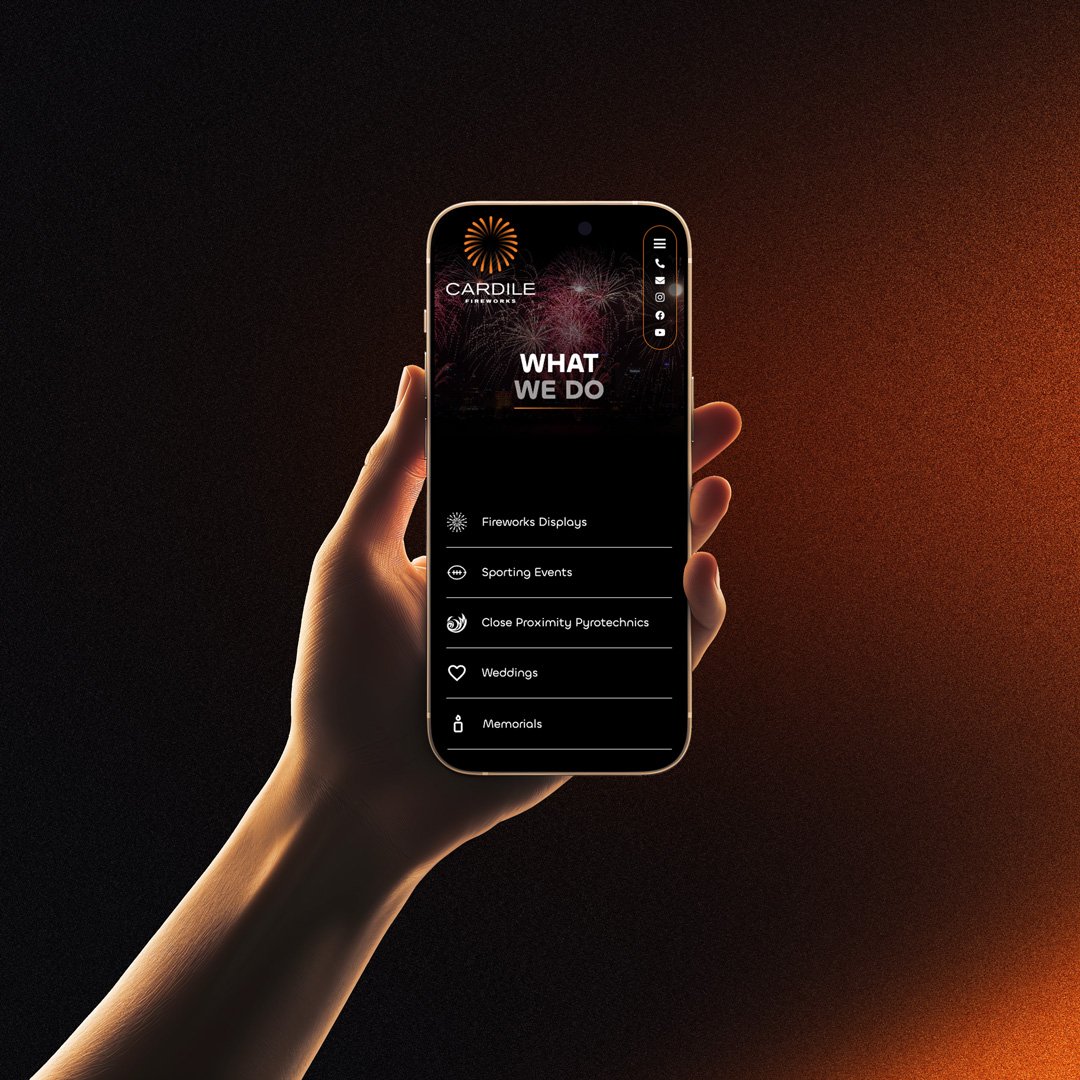
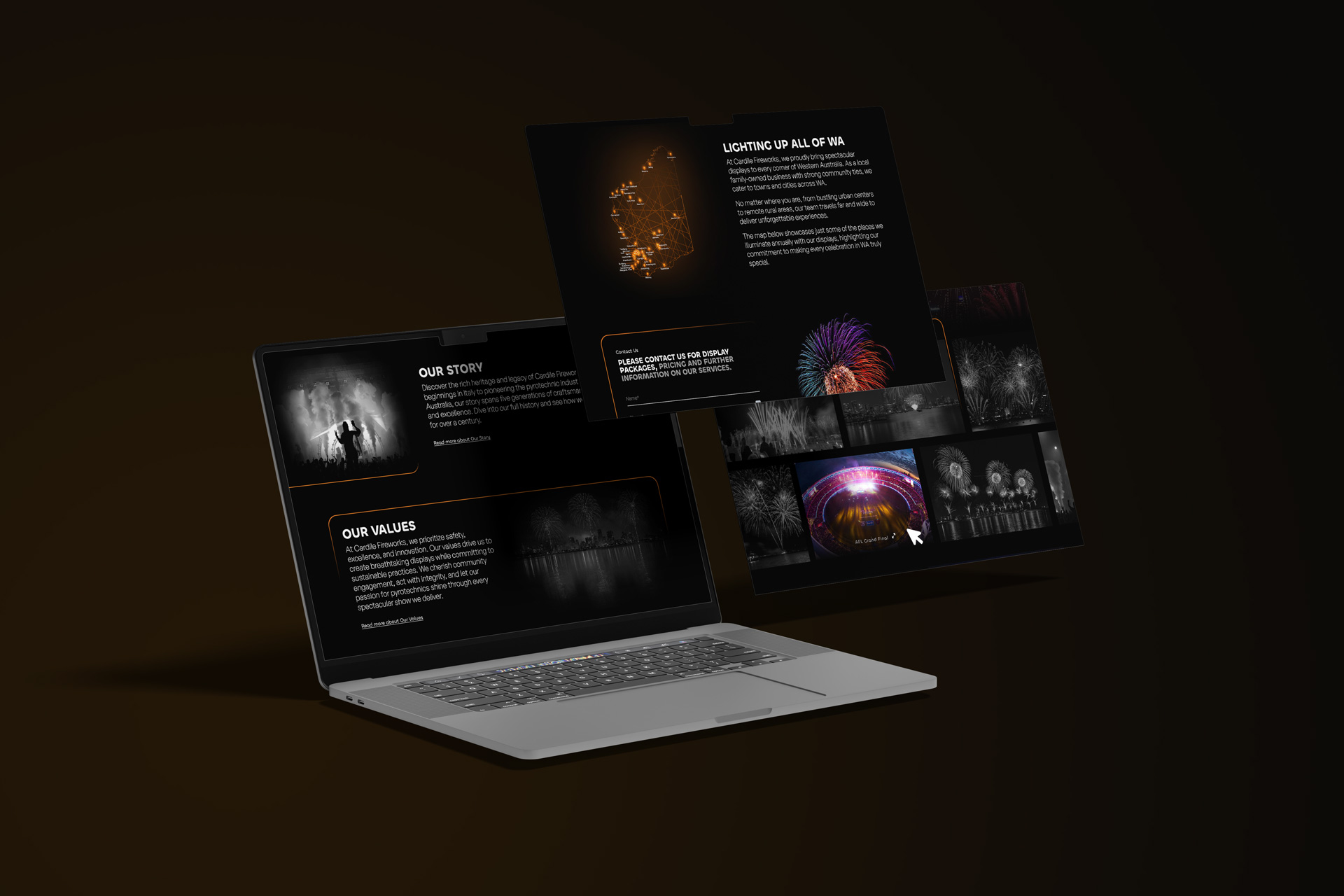
A bold new website showcasing Cardile Fireworks’ legacy, expertise, and showstopping work.

AllSealedWA is a Western Australian locally owned company and specialist repairer providing a genuine, long term permanent solution to fix leaking showers.

PWD created a visually compelling website and entertaining and educational video sequences.

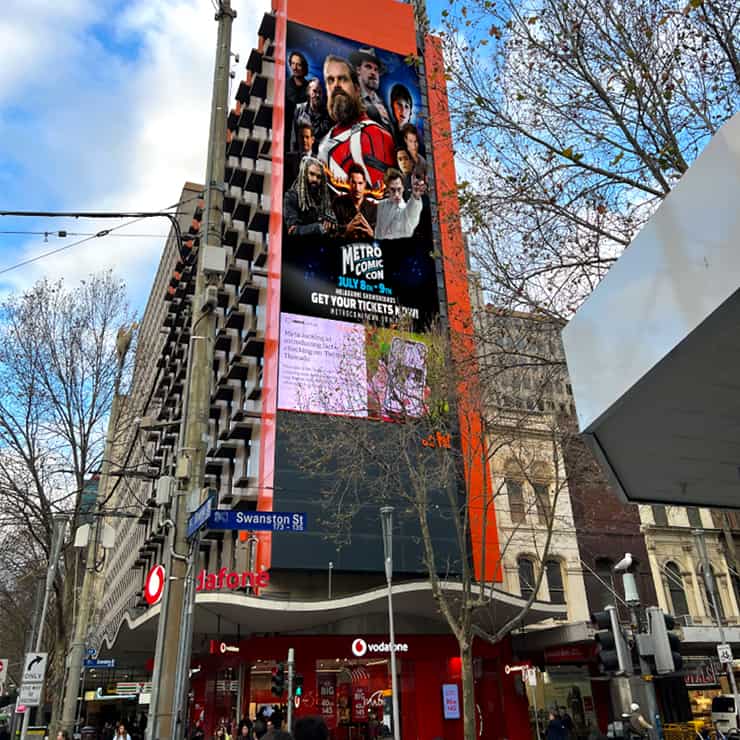
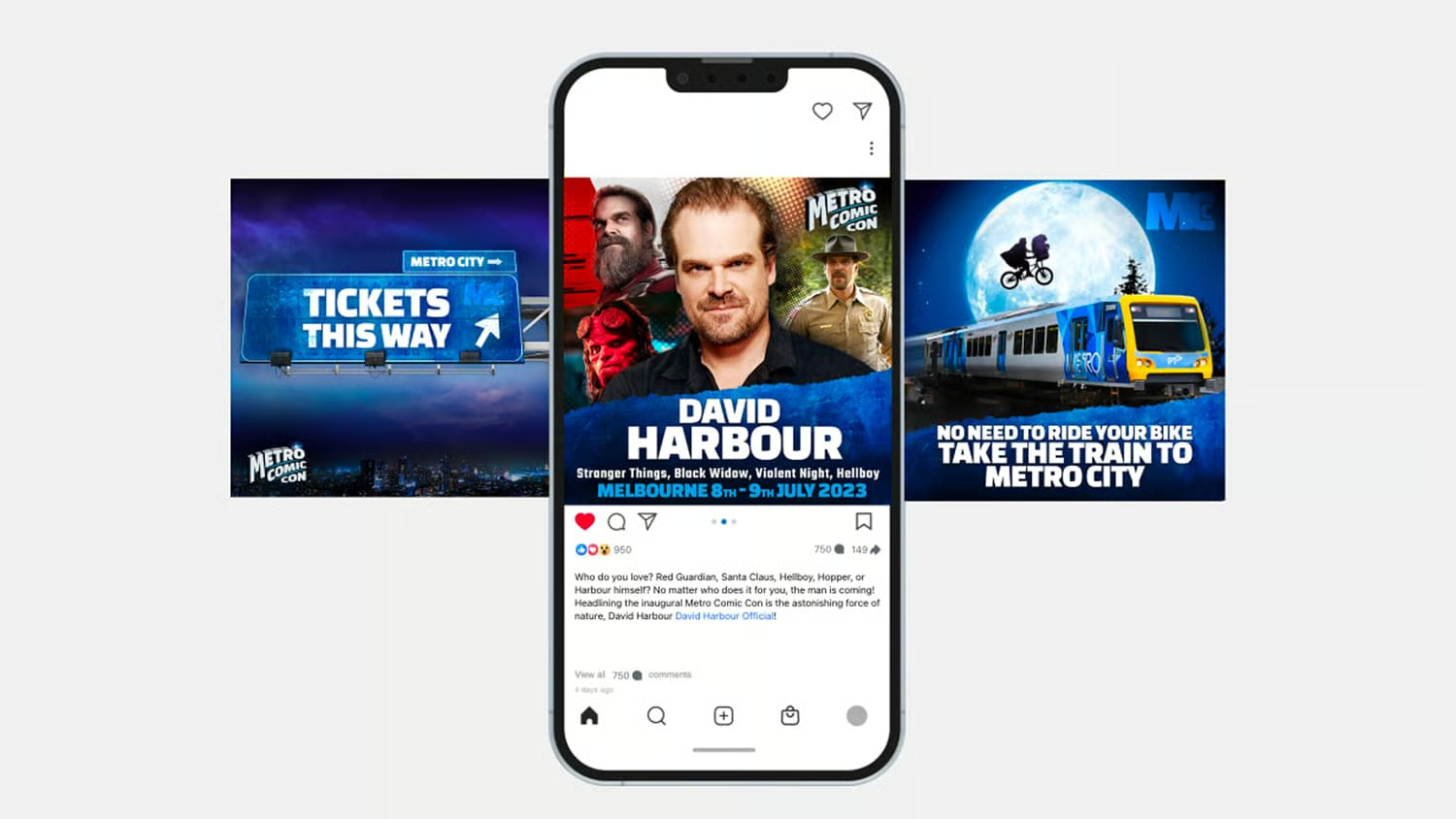
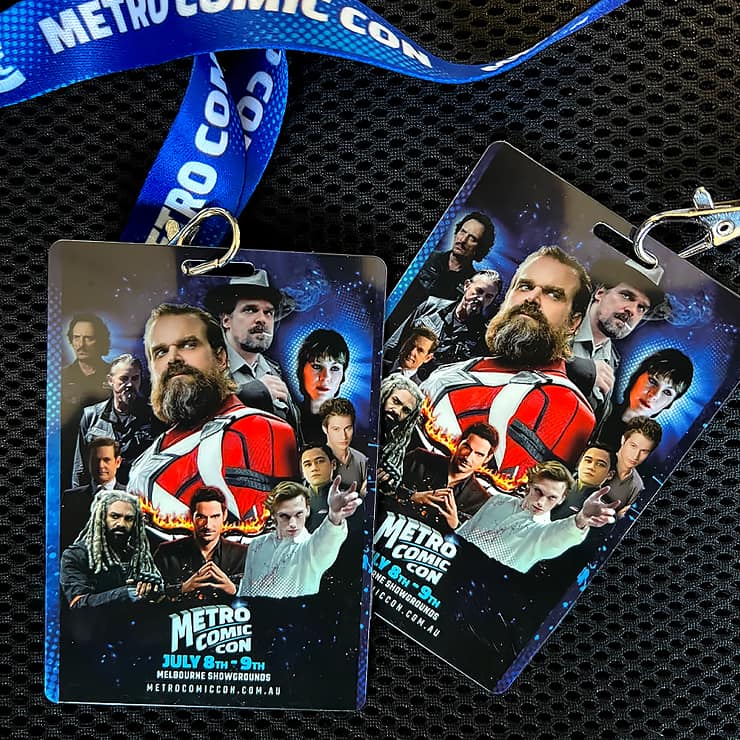
A new world of adventure for fans of pop-culture; a place of excitement and fun, Metro Comic Con is your destination for film, TV, animation, gaming, cosplay, collectables, publishing and, of course, comics; and much, much more!
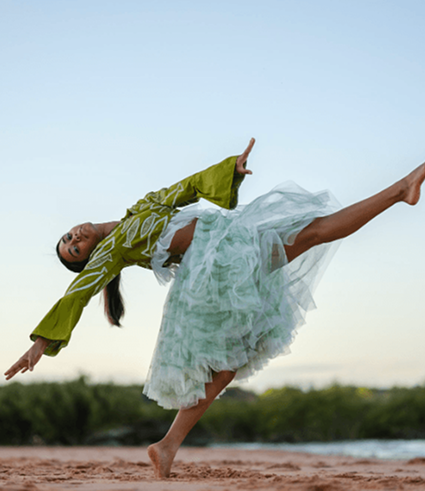
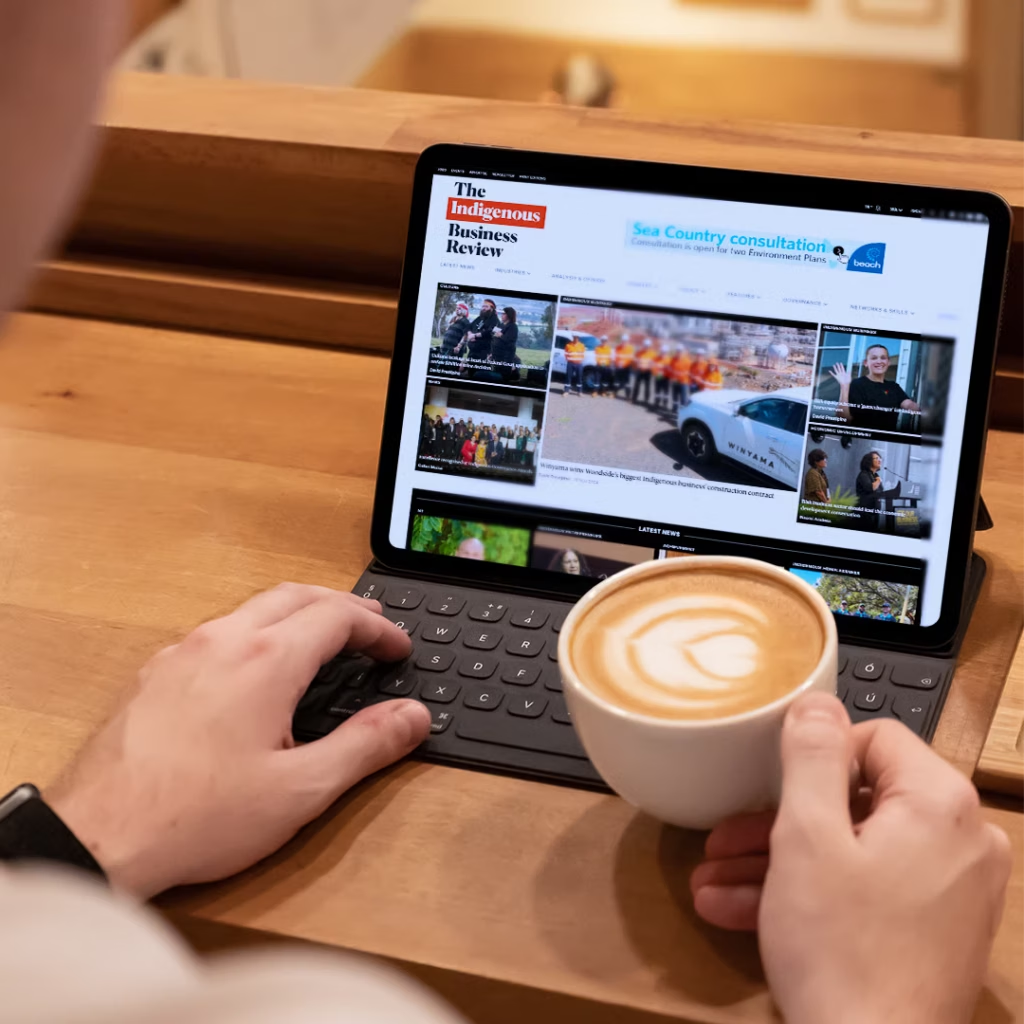
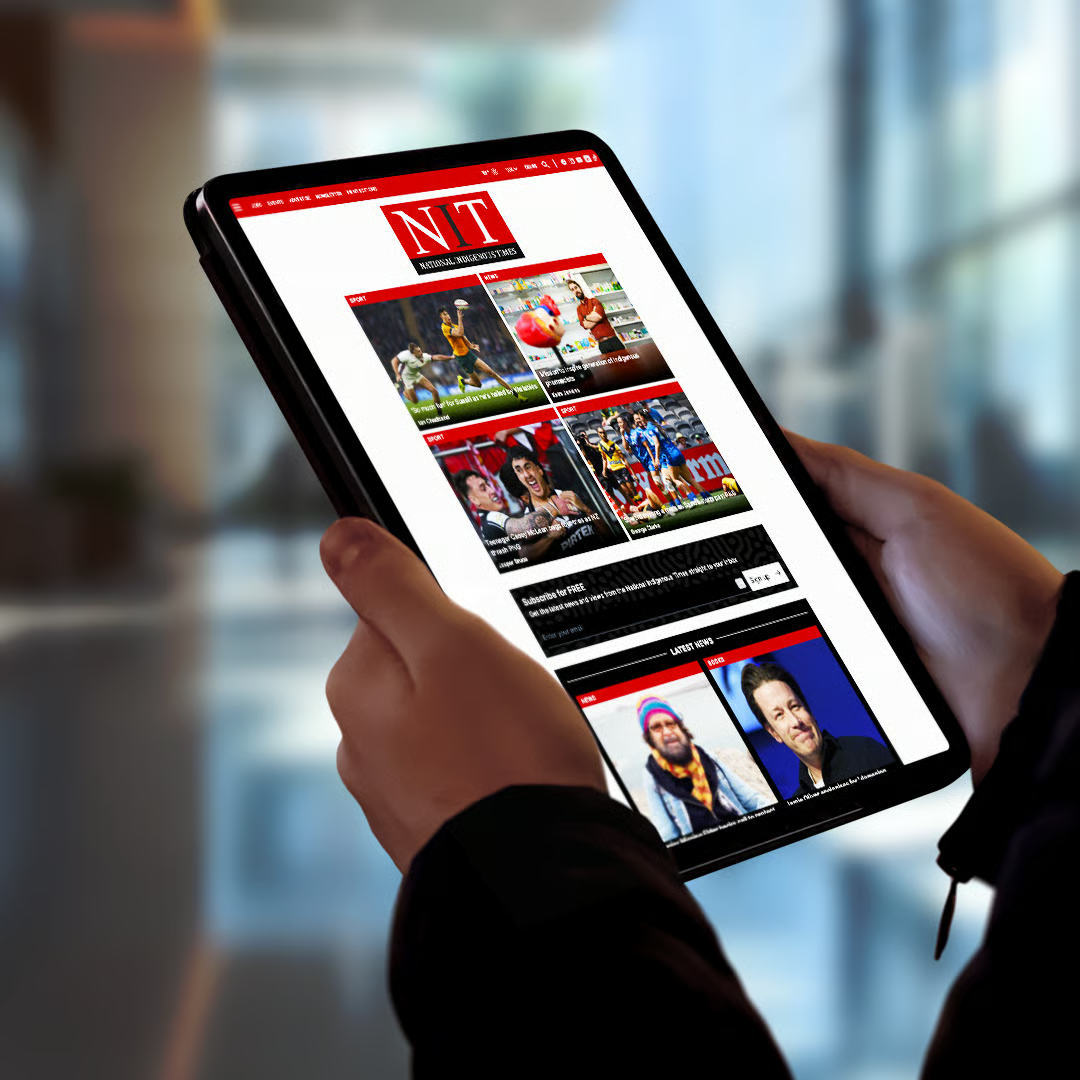
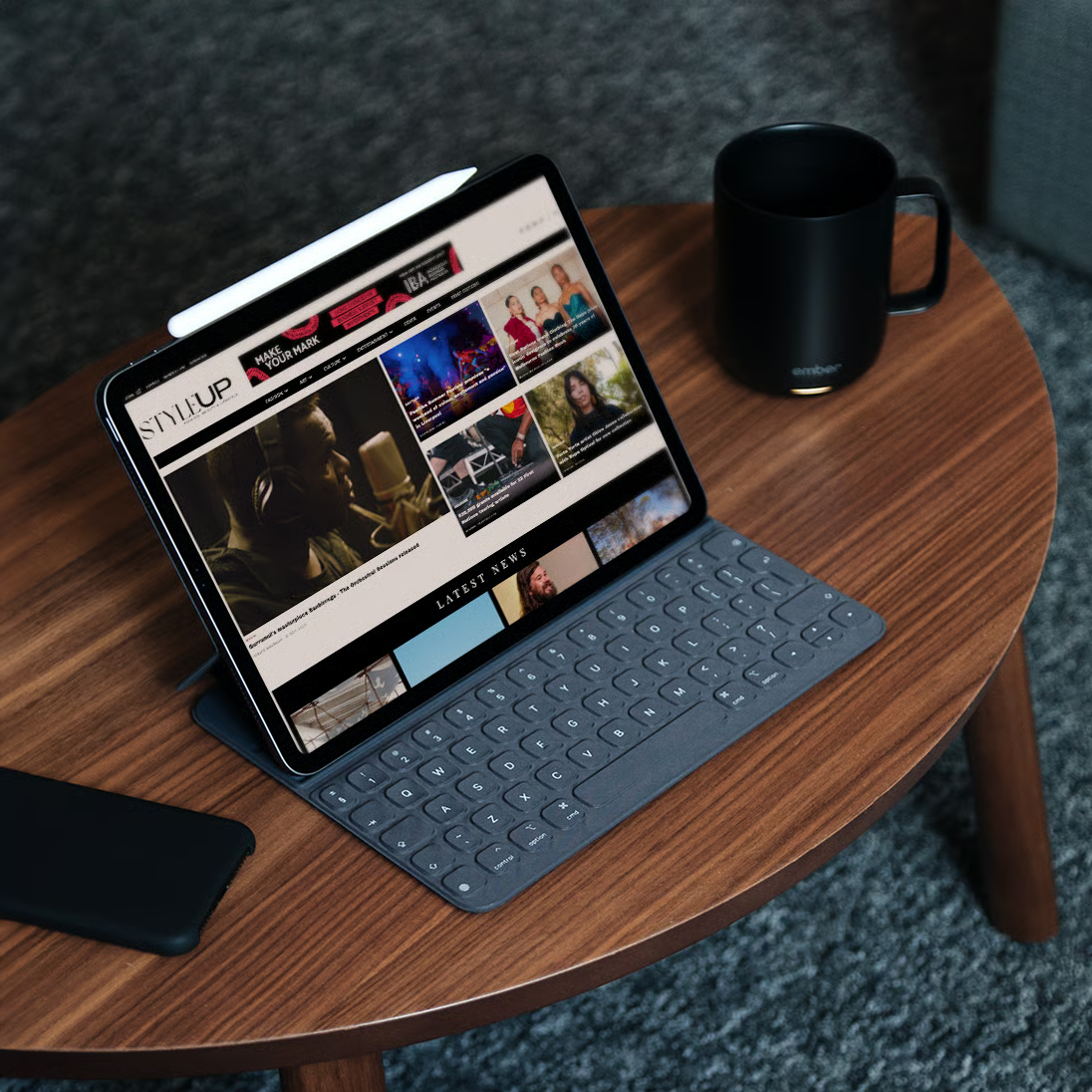
National Indigenous Times, Australia’s leading Indigenous news organisation, brings you the latest news and views on Indigenous affairs.
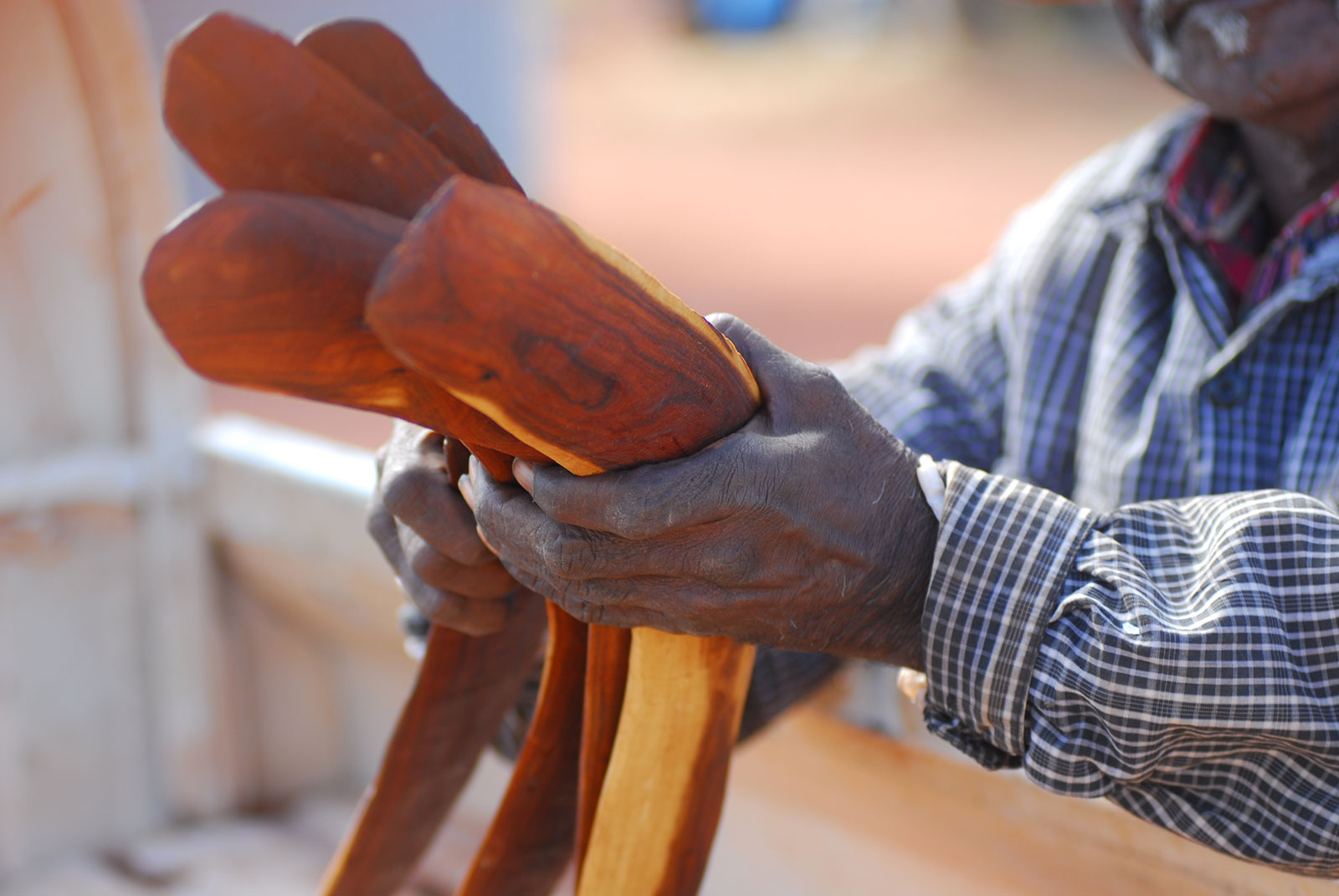
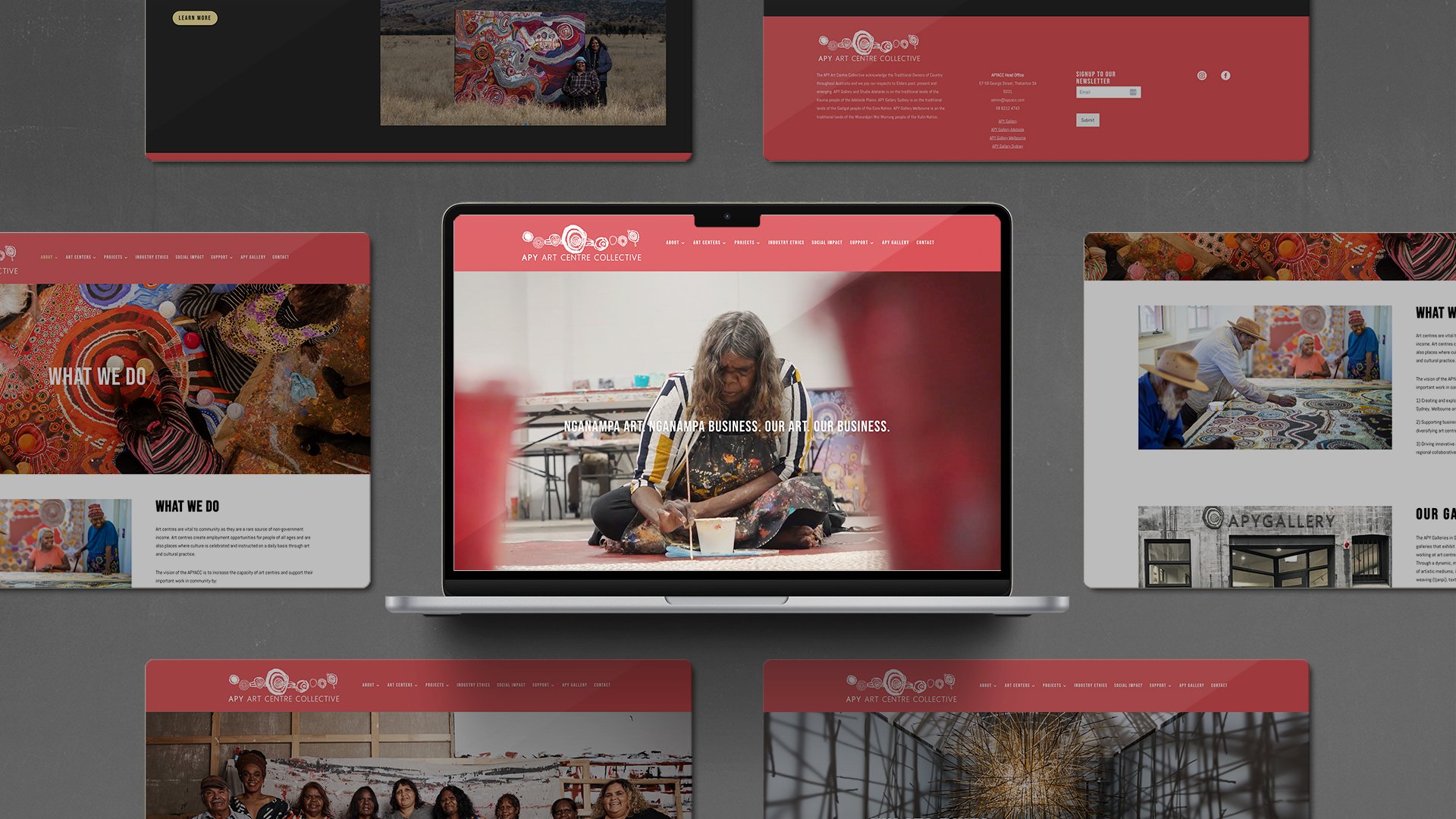
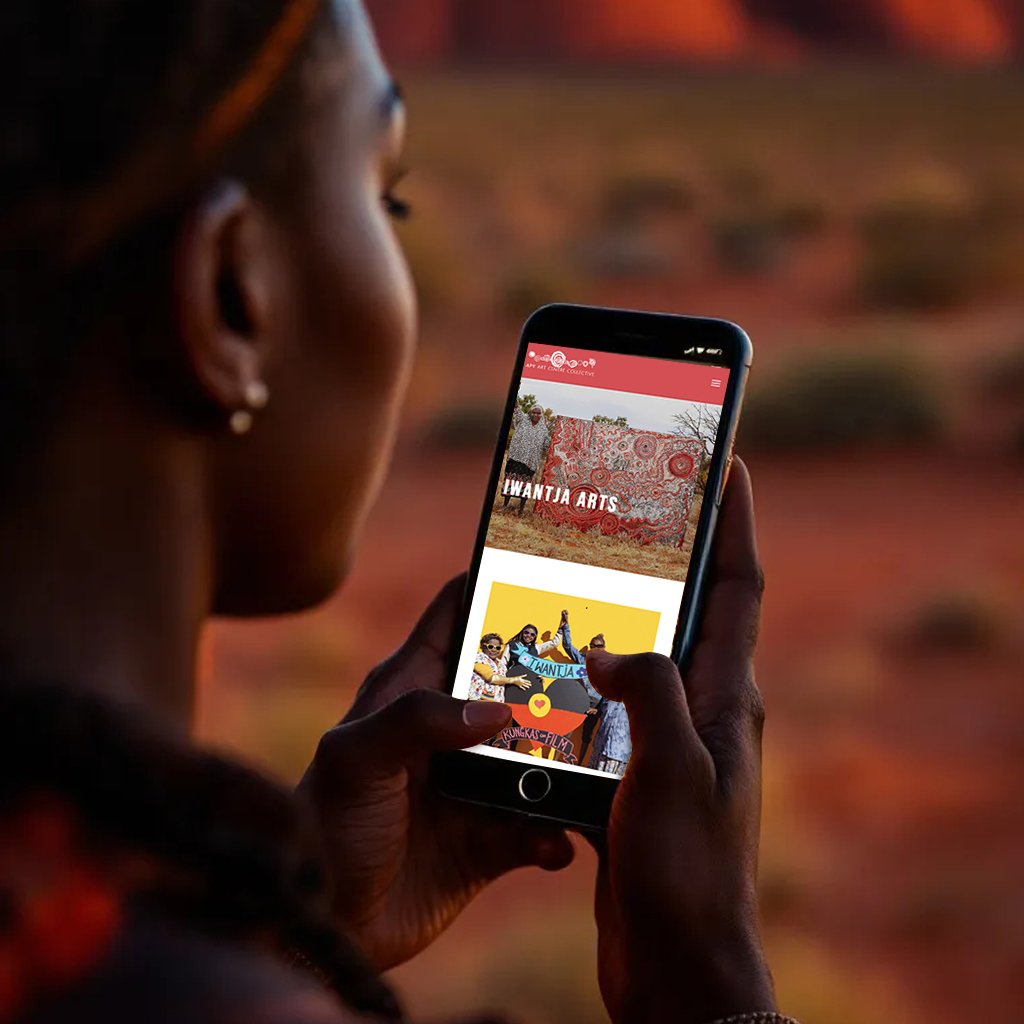
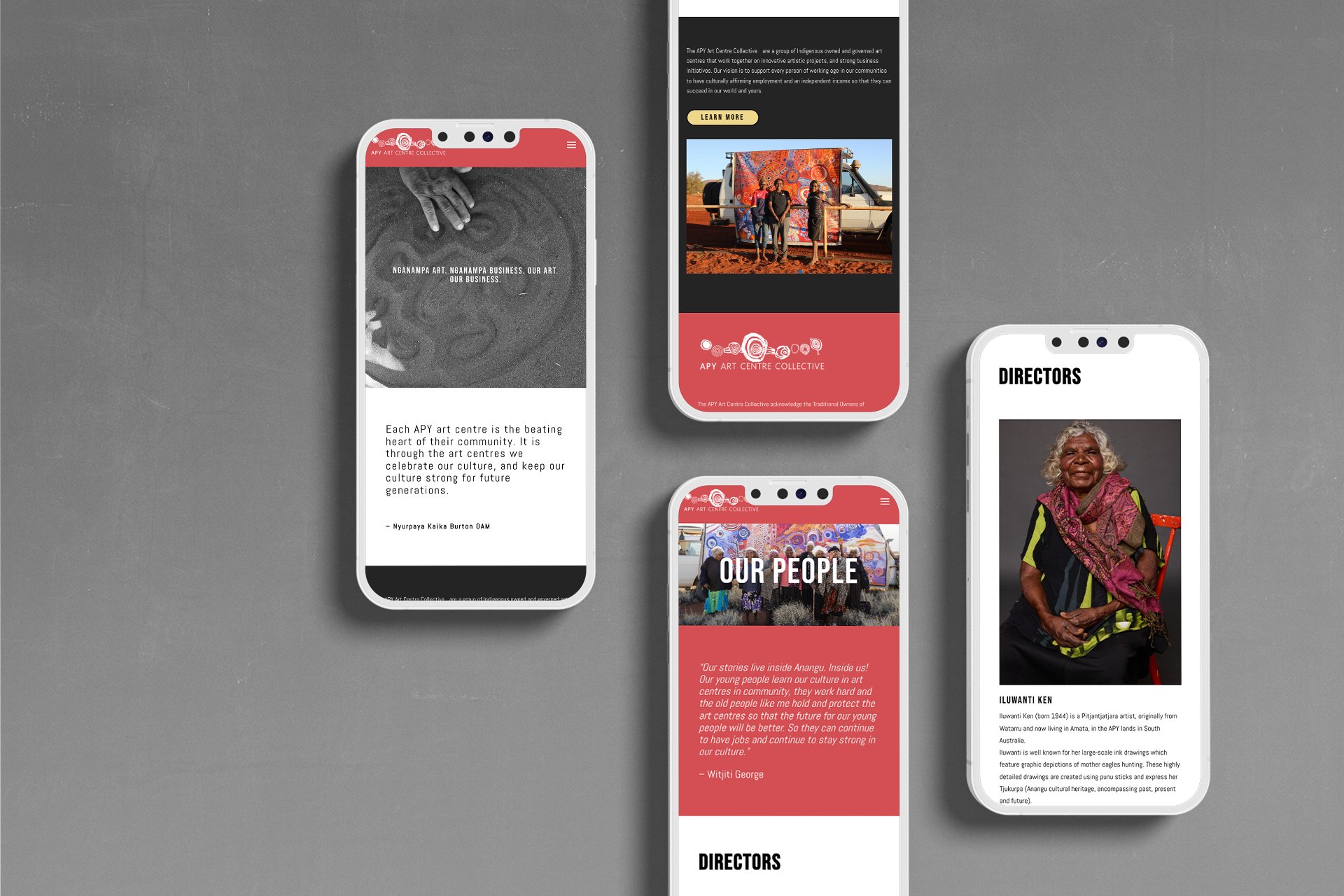
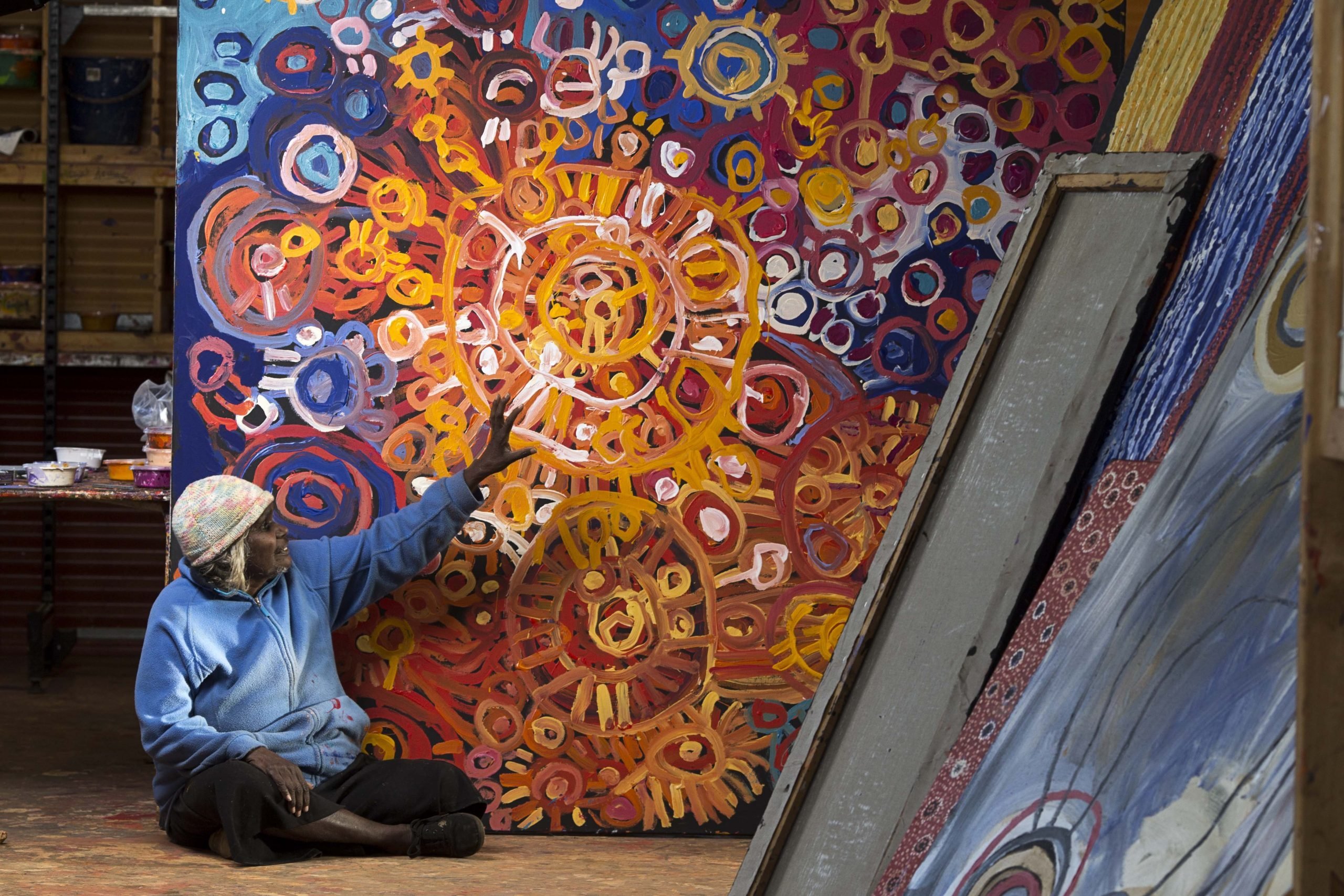
PWD complete and launches APY Art Centre’s website with enhanced storytelling and visual impact.

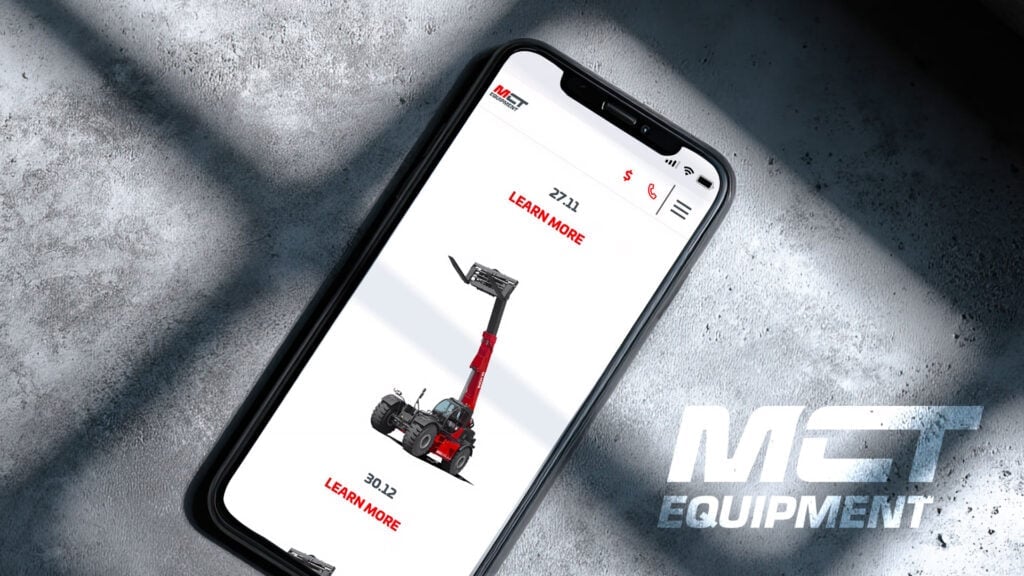
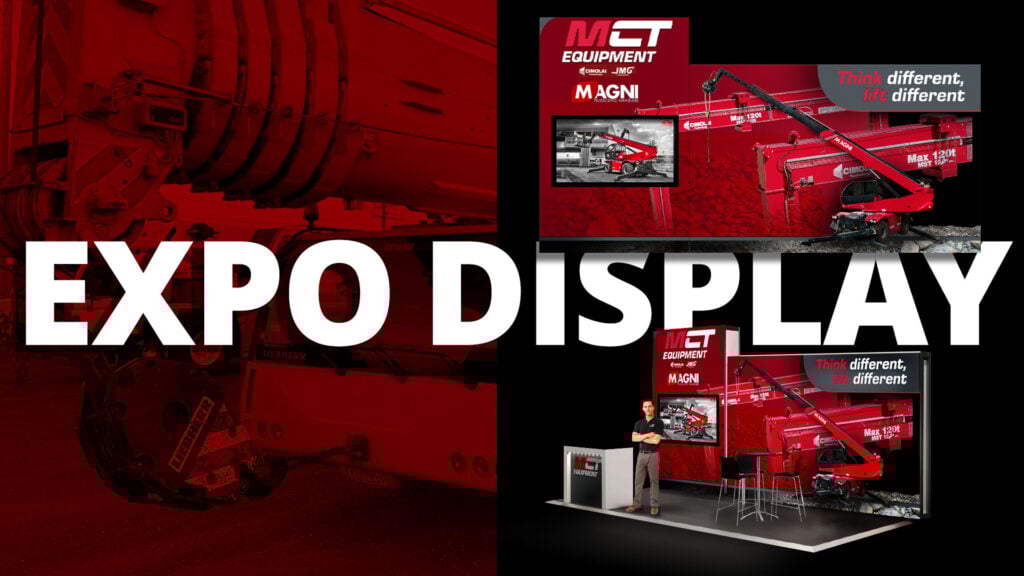
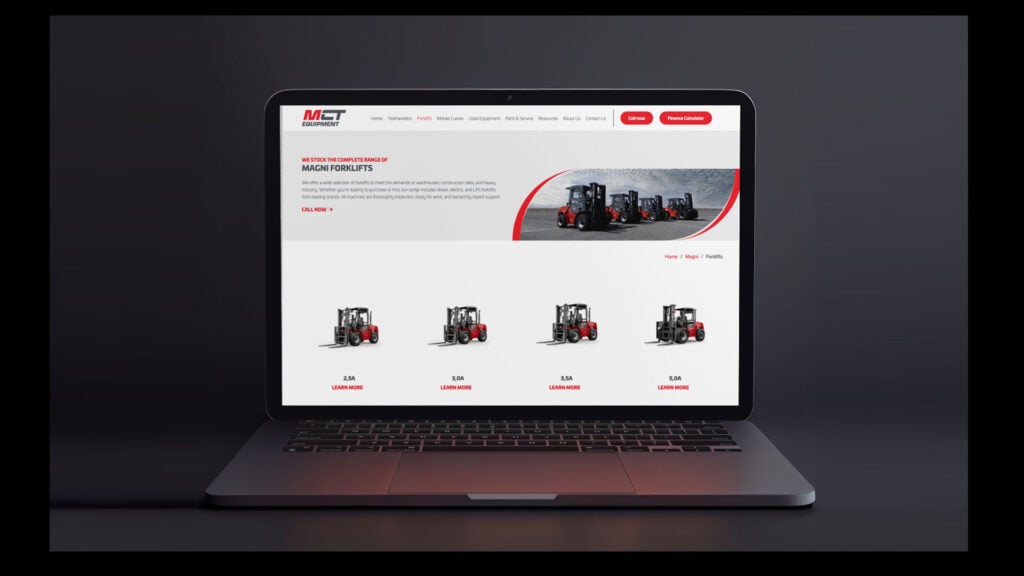
MCT Equipment showcases leading brands like Magni and Cimolai with a dynamic website and bold expo branding that raised their industry presence.
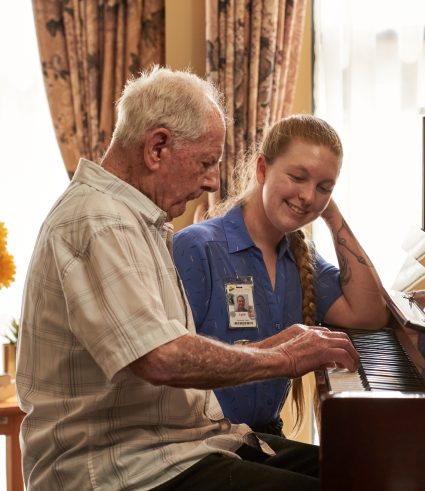
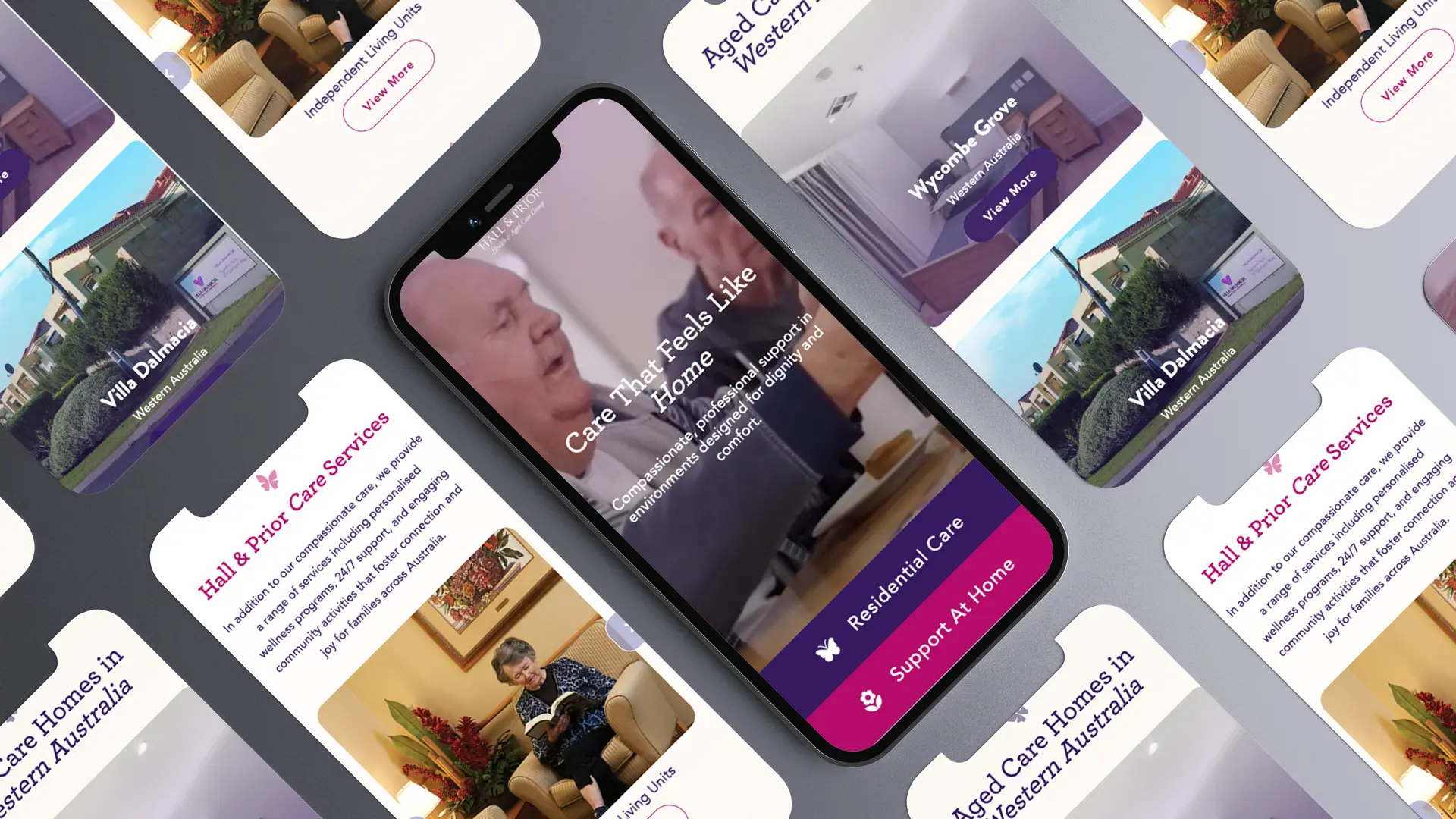
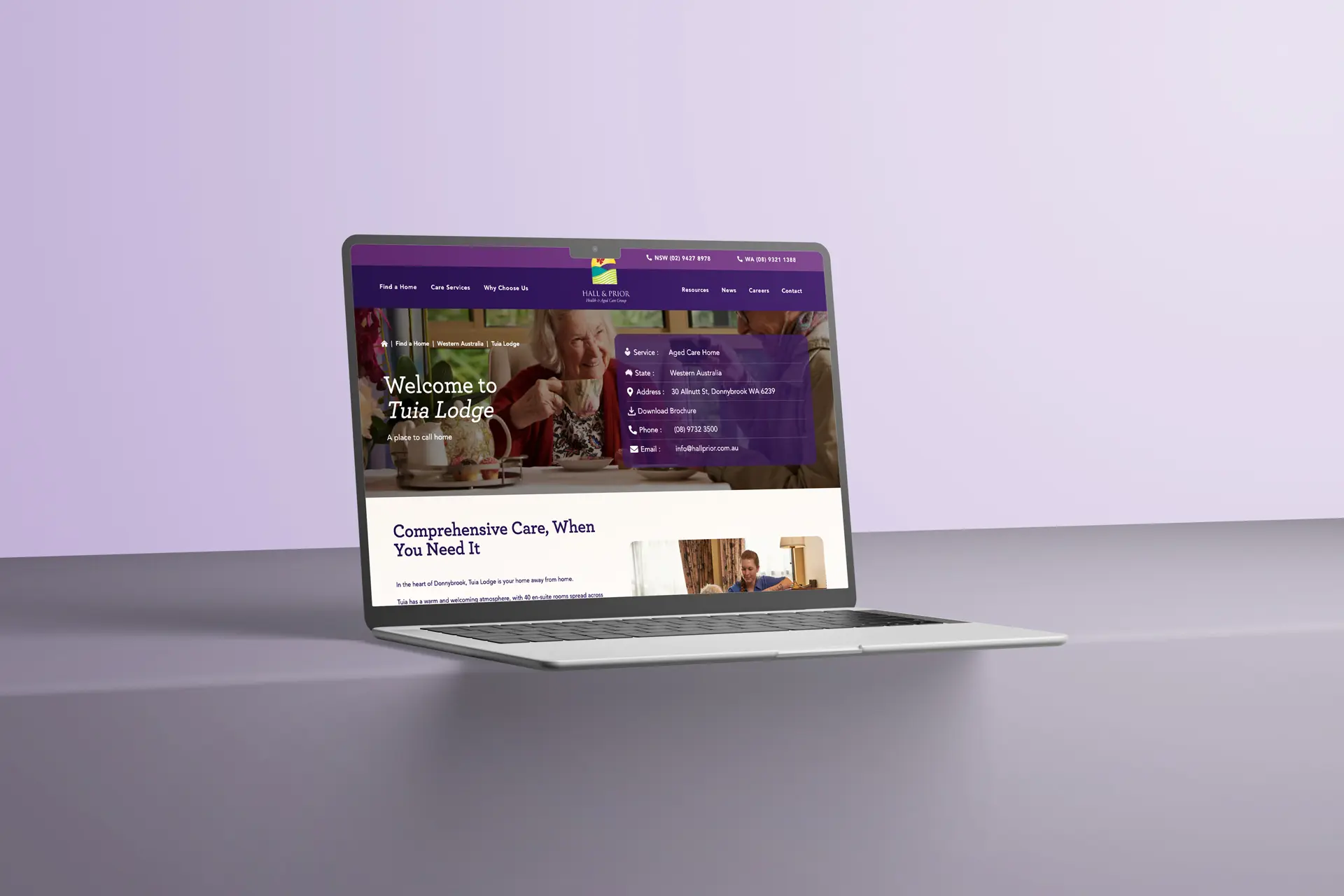
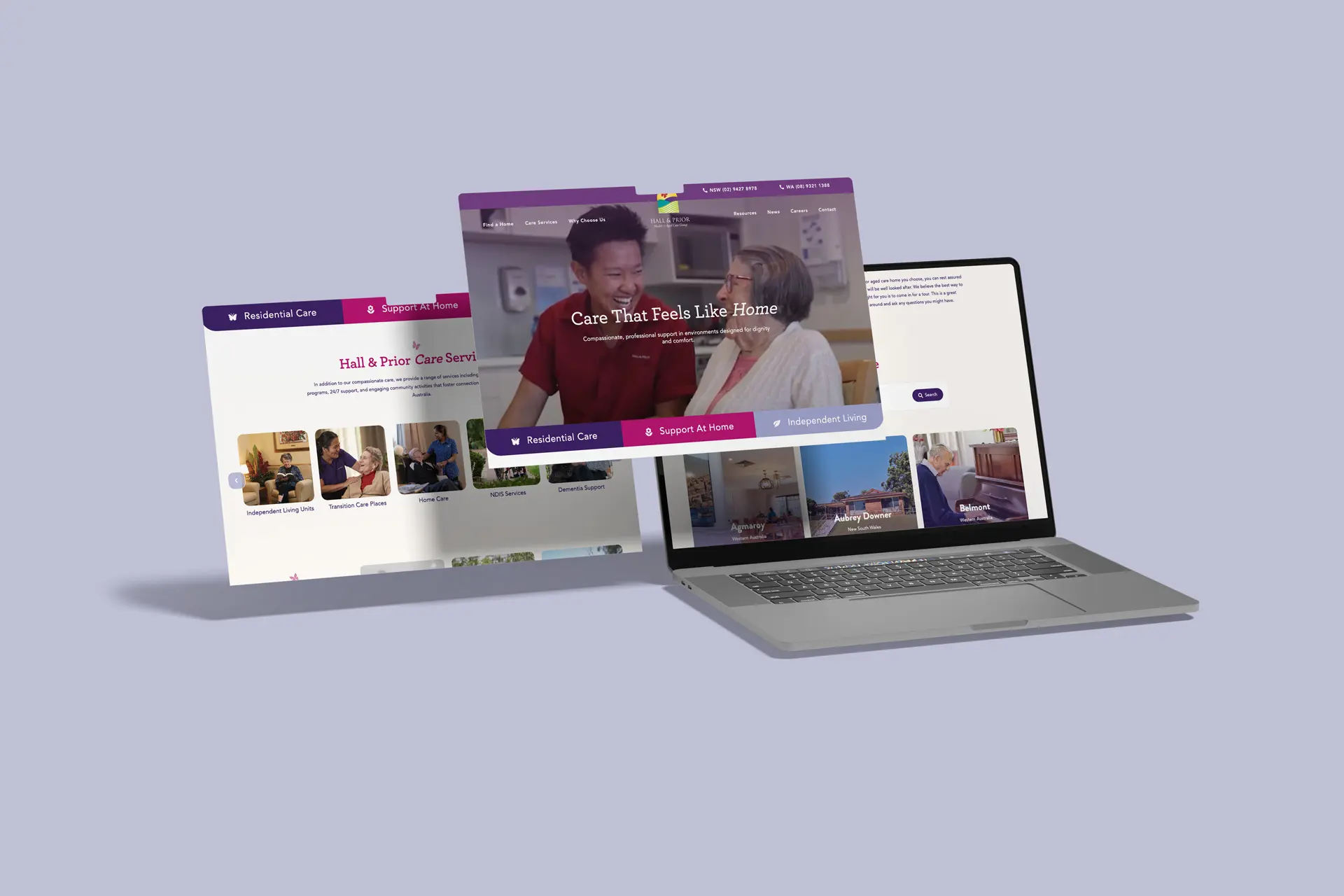
With a 30-year legacy of care, Hall & Prior had outgrown its legacy digital presence. The existing website, built on an unsupported CMS presented multiple security risks and no longer reflected the scale, professionalism, or warmth that defines the Hall & Prior brand.
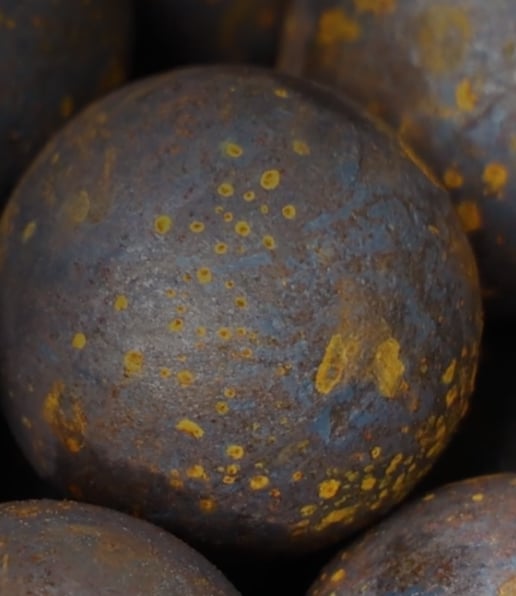
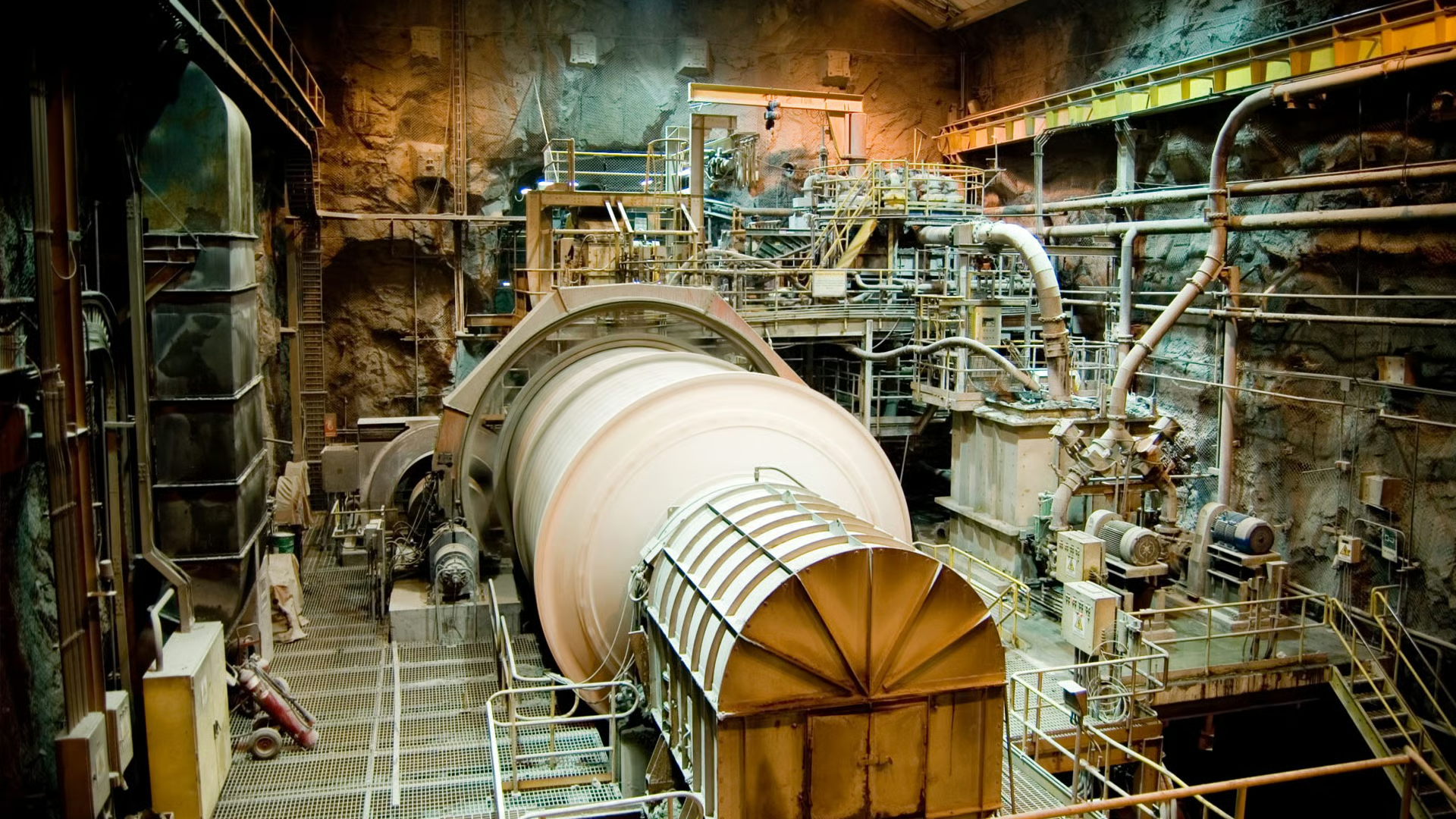
Sino Grinding is the premier design and manufacturer of grinding media for mining companies around the world.
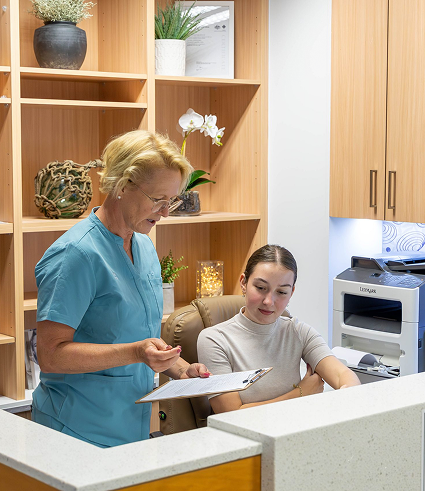
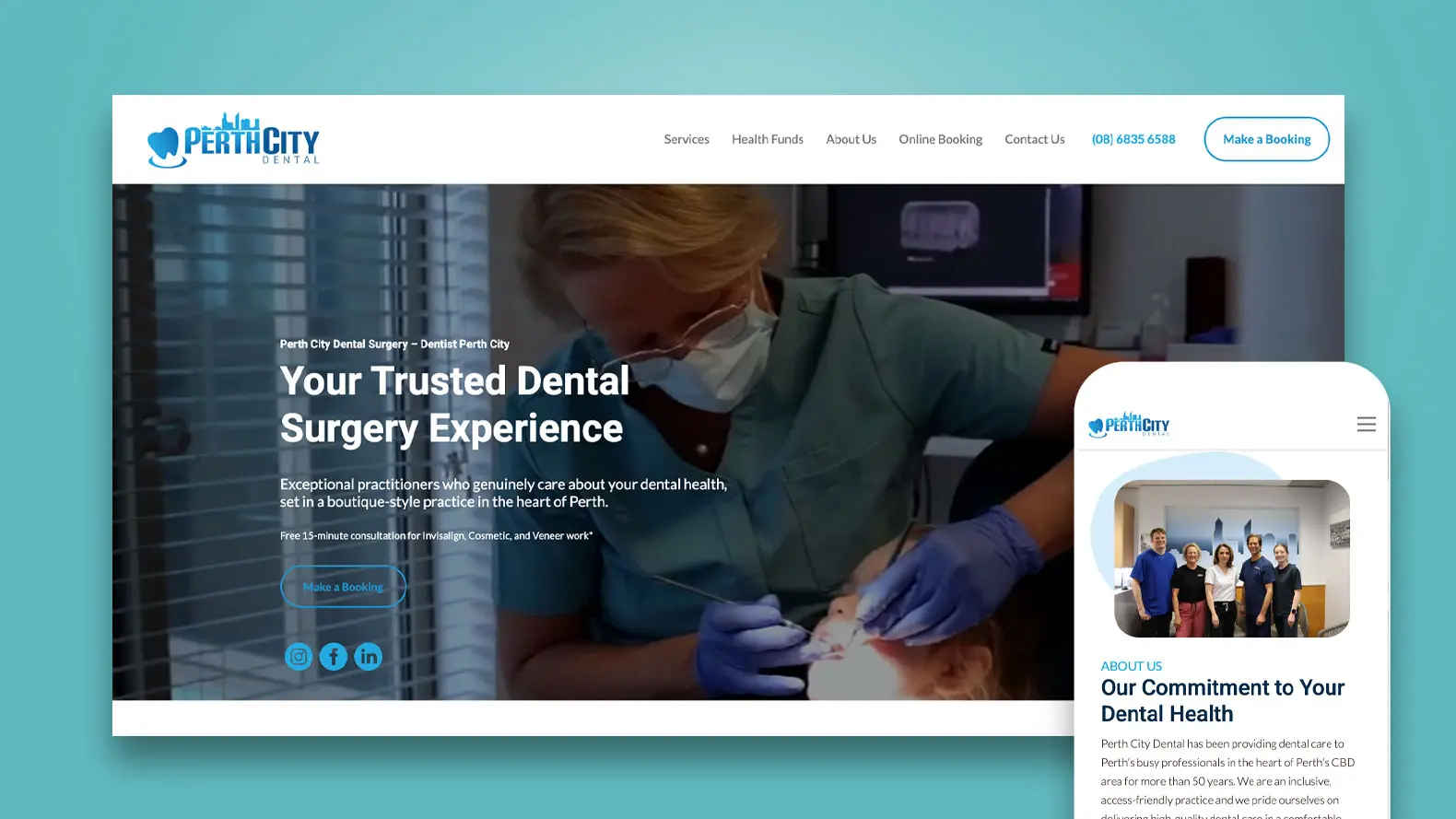
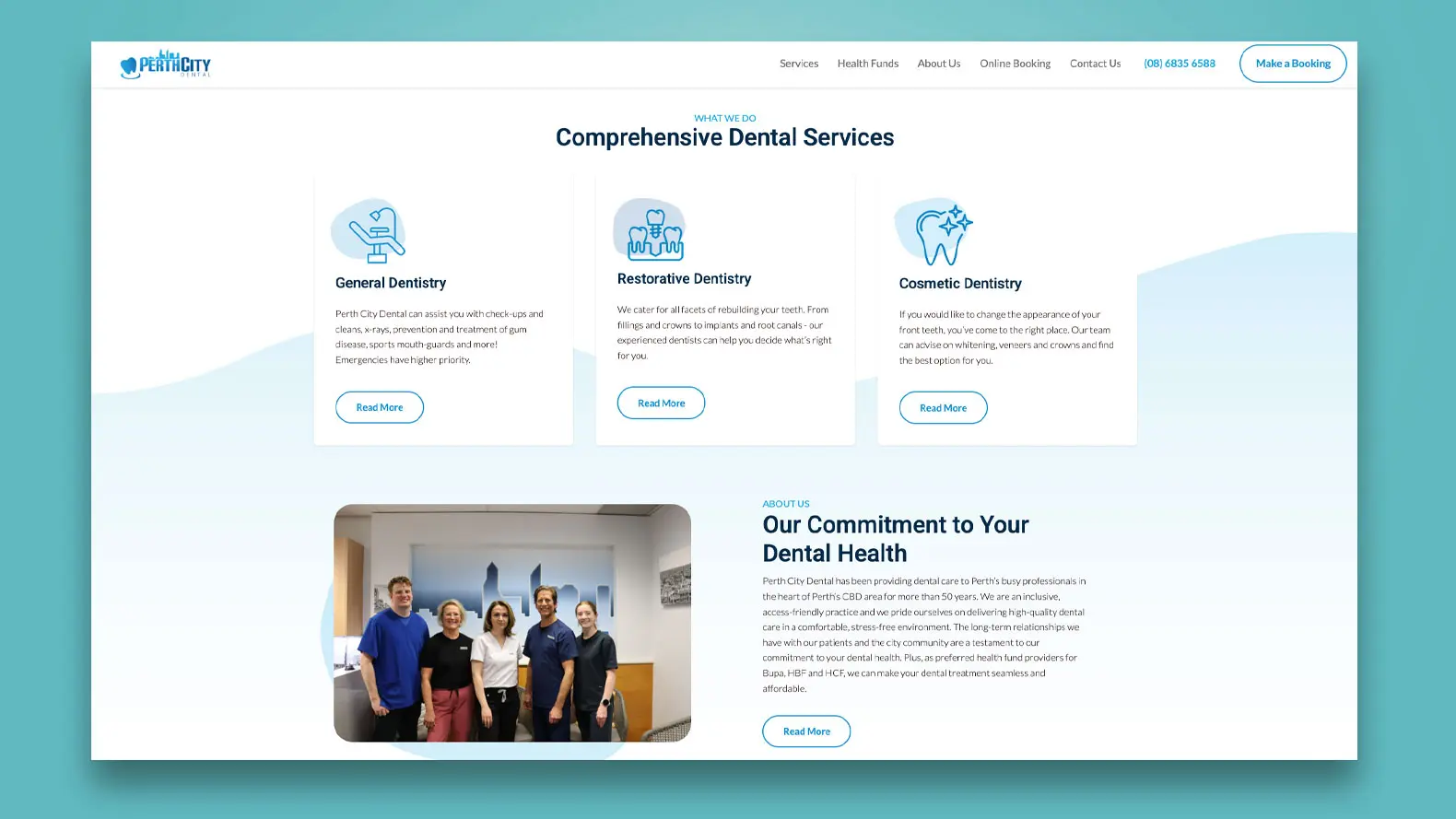
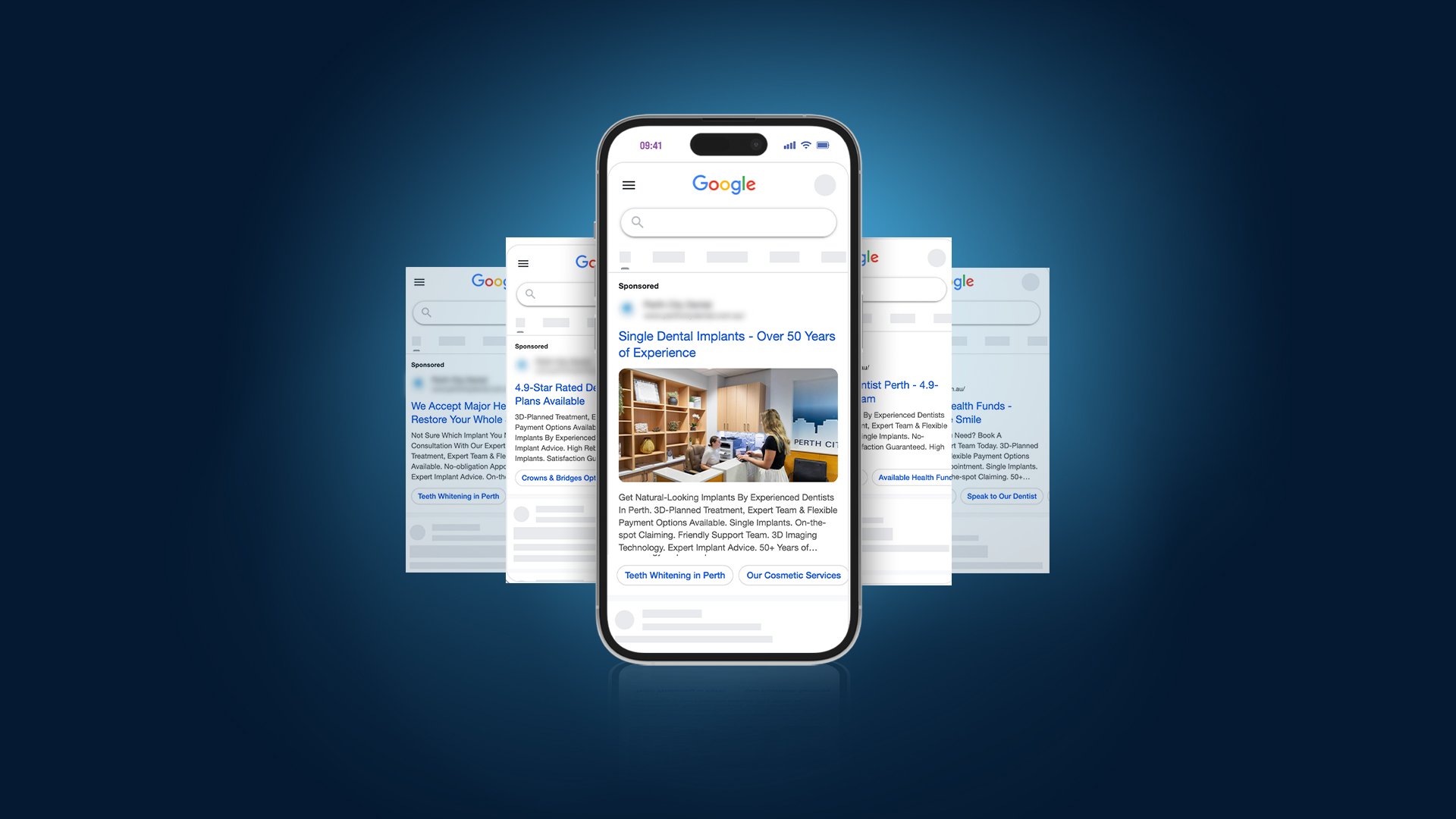
Perth City Dental has built a trusted reputation over the last 50 years, as a family-focused dental clinic.
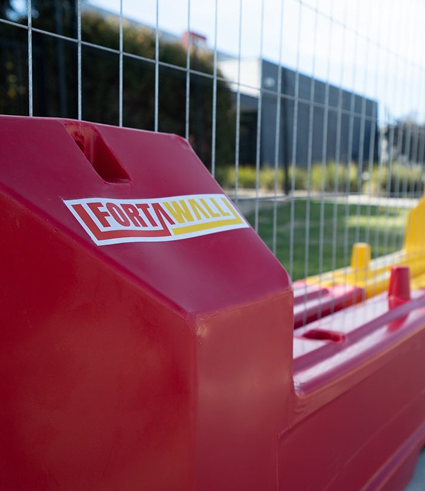
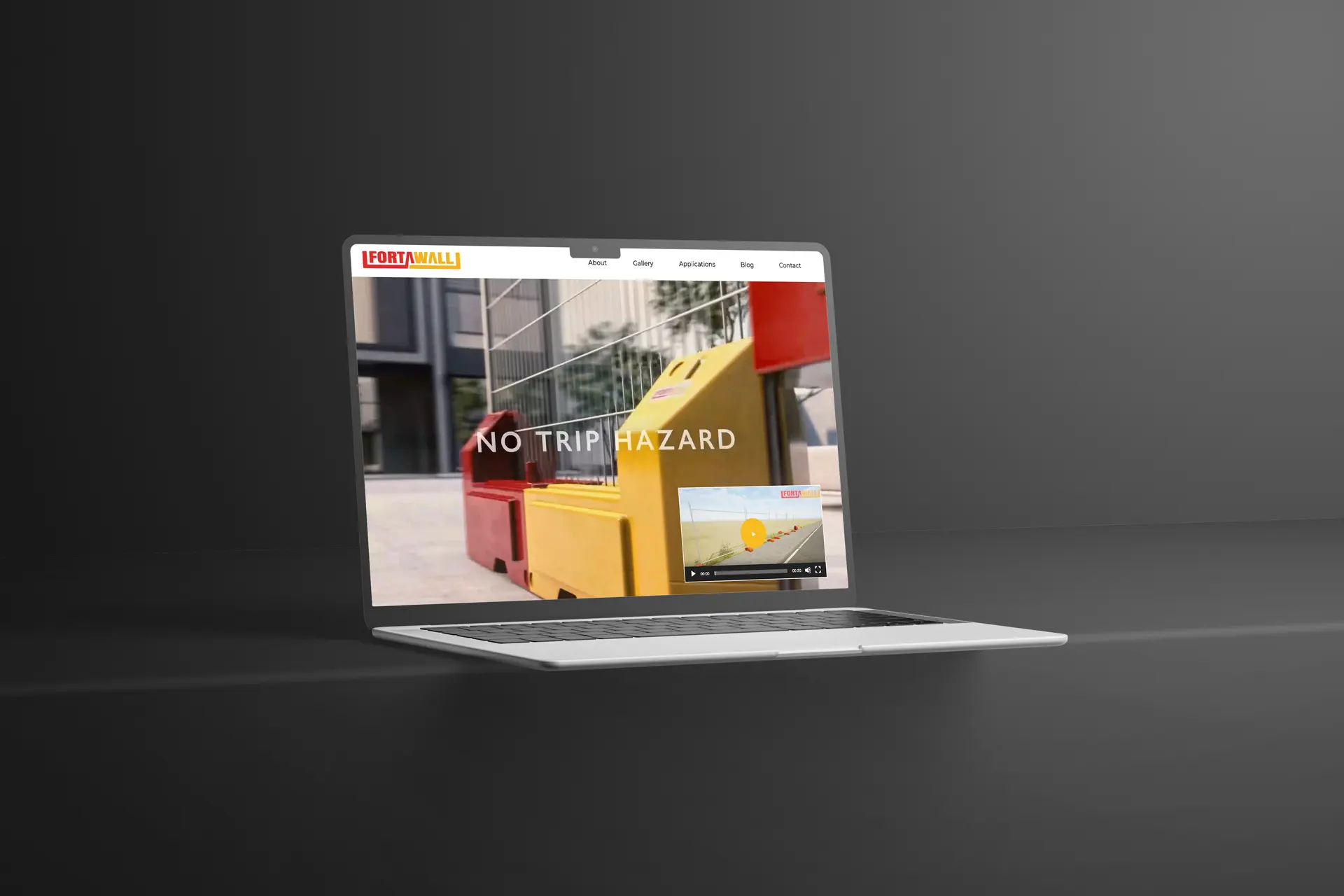
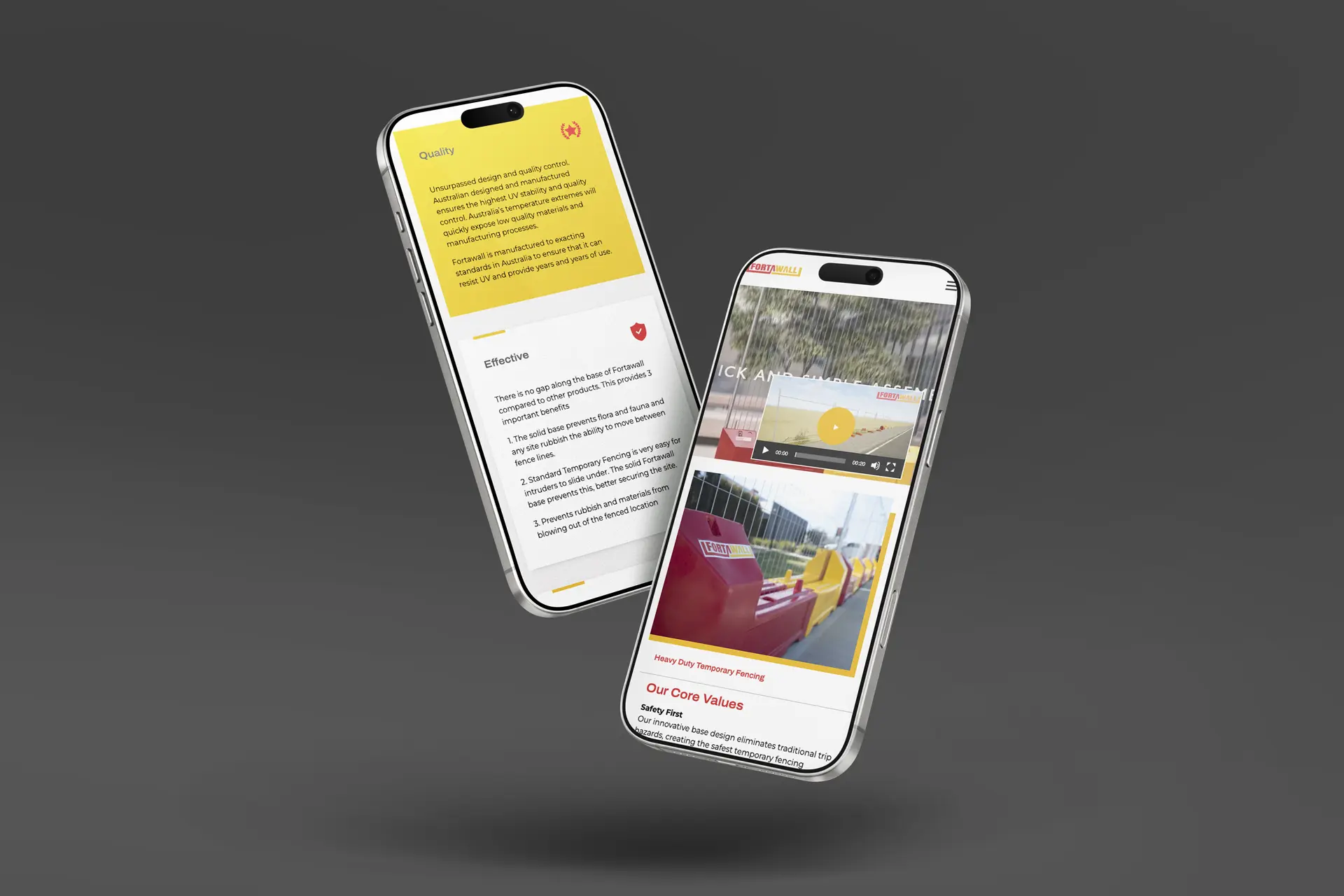
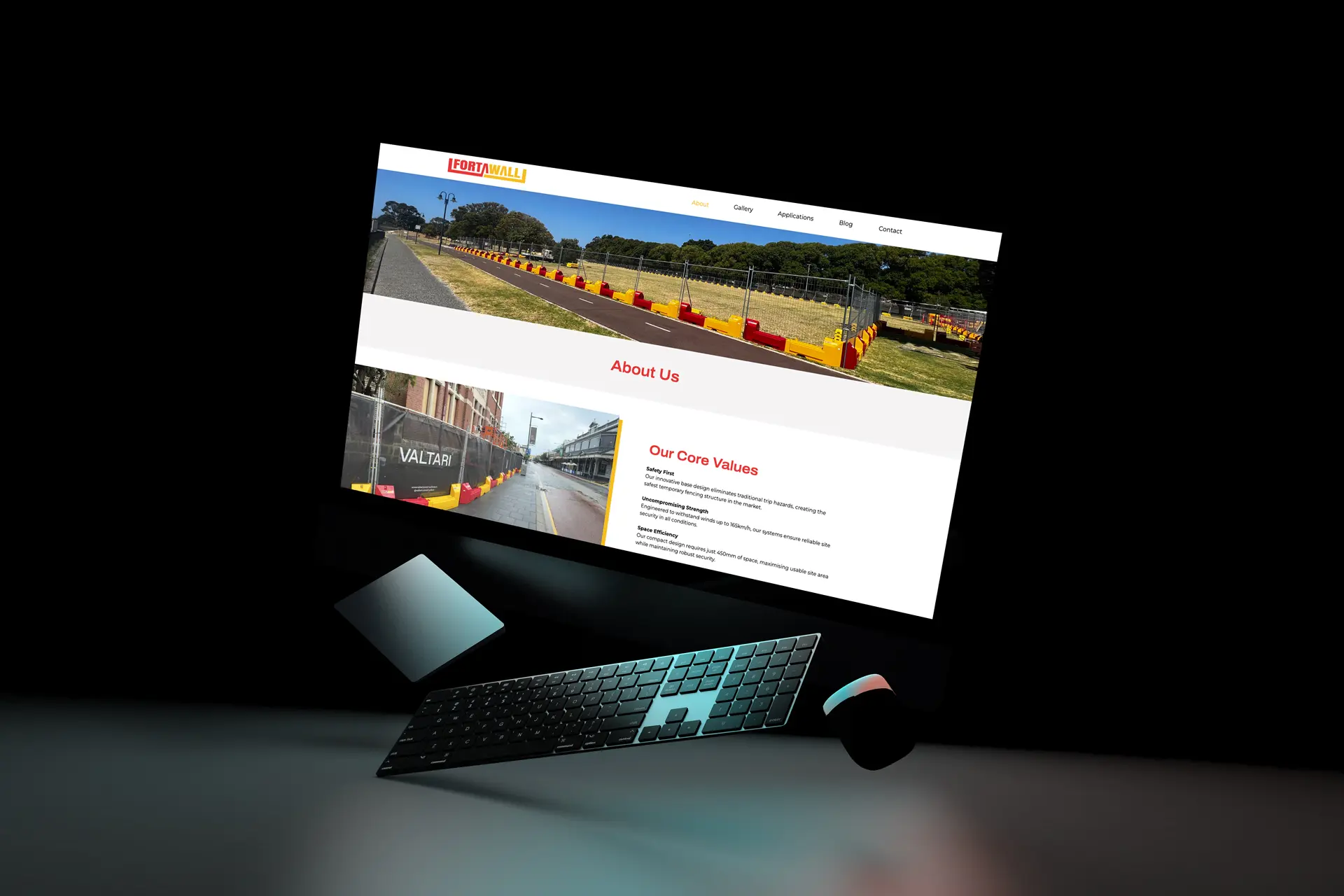
Fortawall, a specialist provider of high-quality commercial temporary fencing solutions, partnered with PWD to strengthen its digital presence.
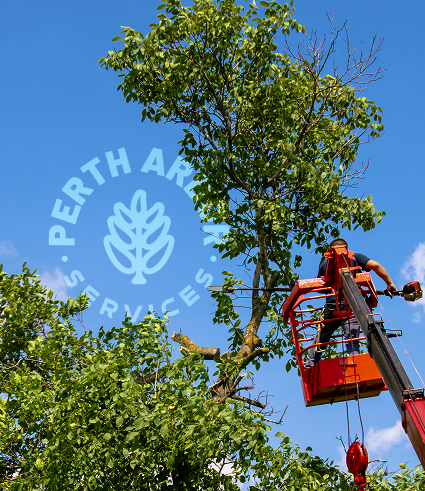
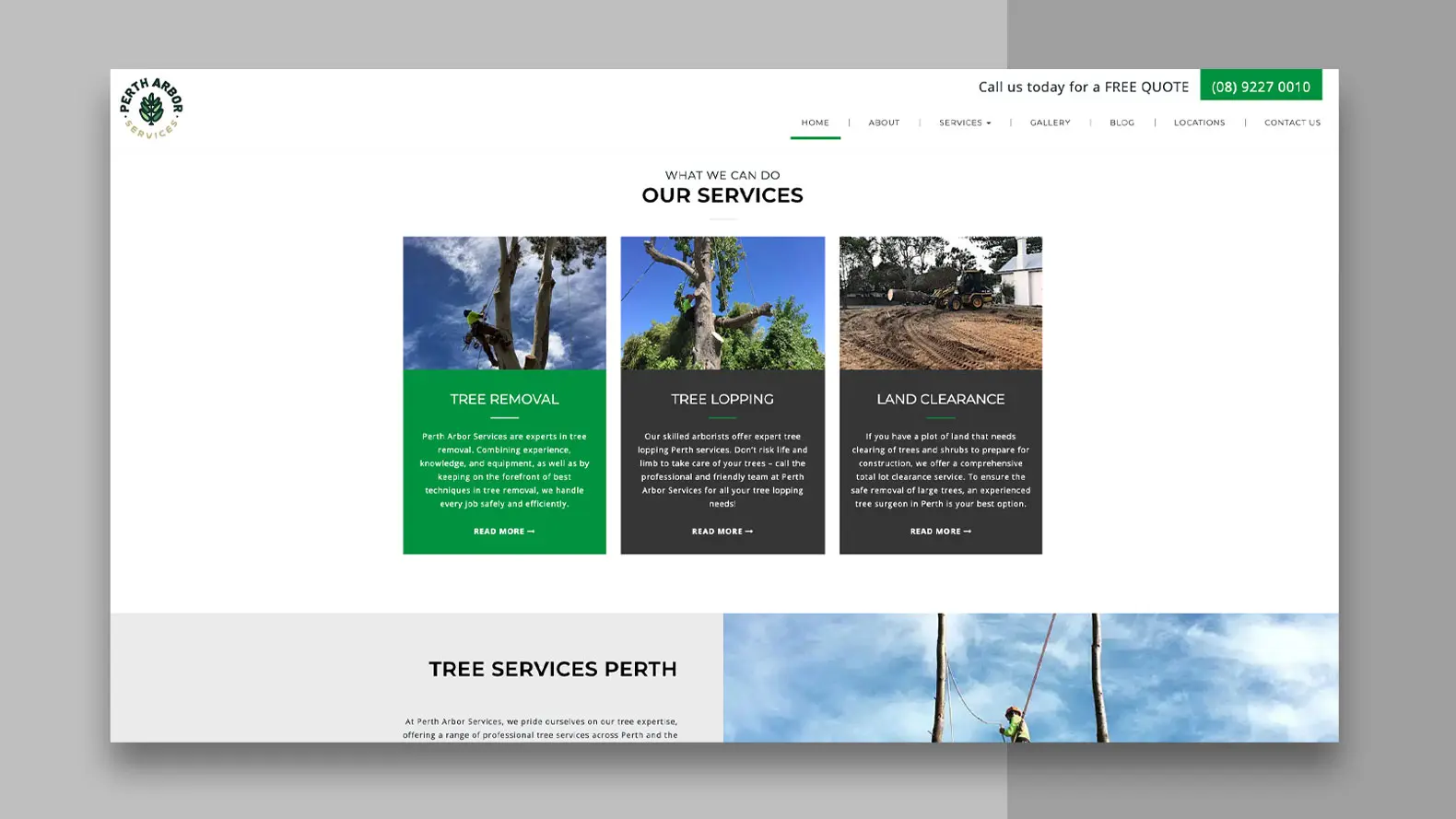
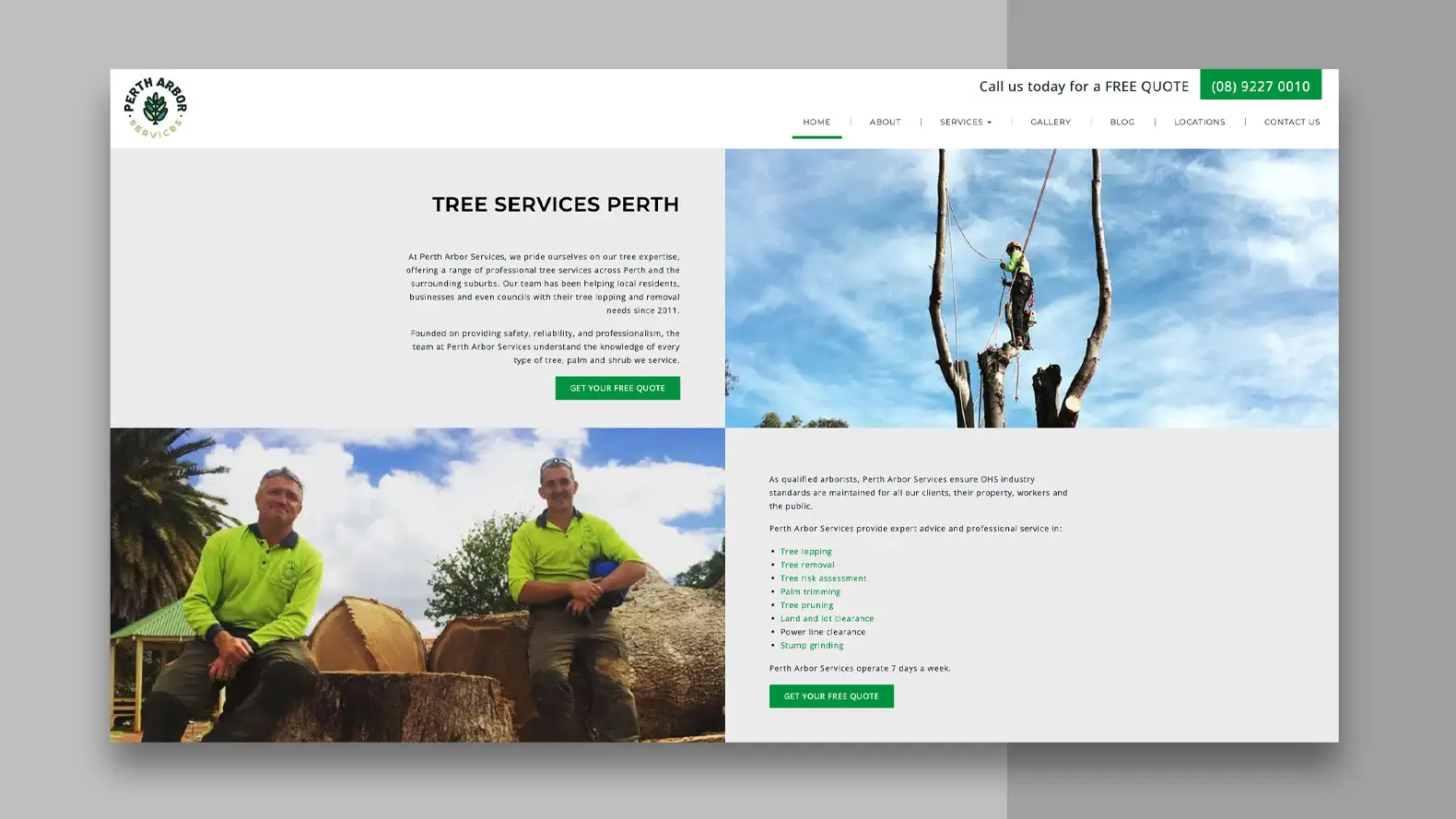
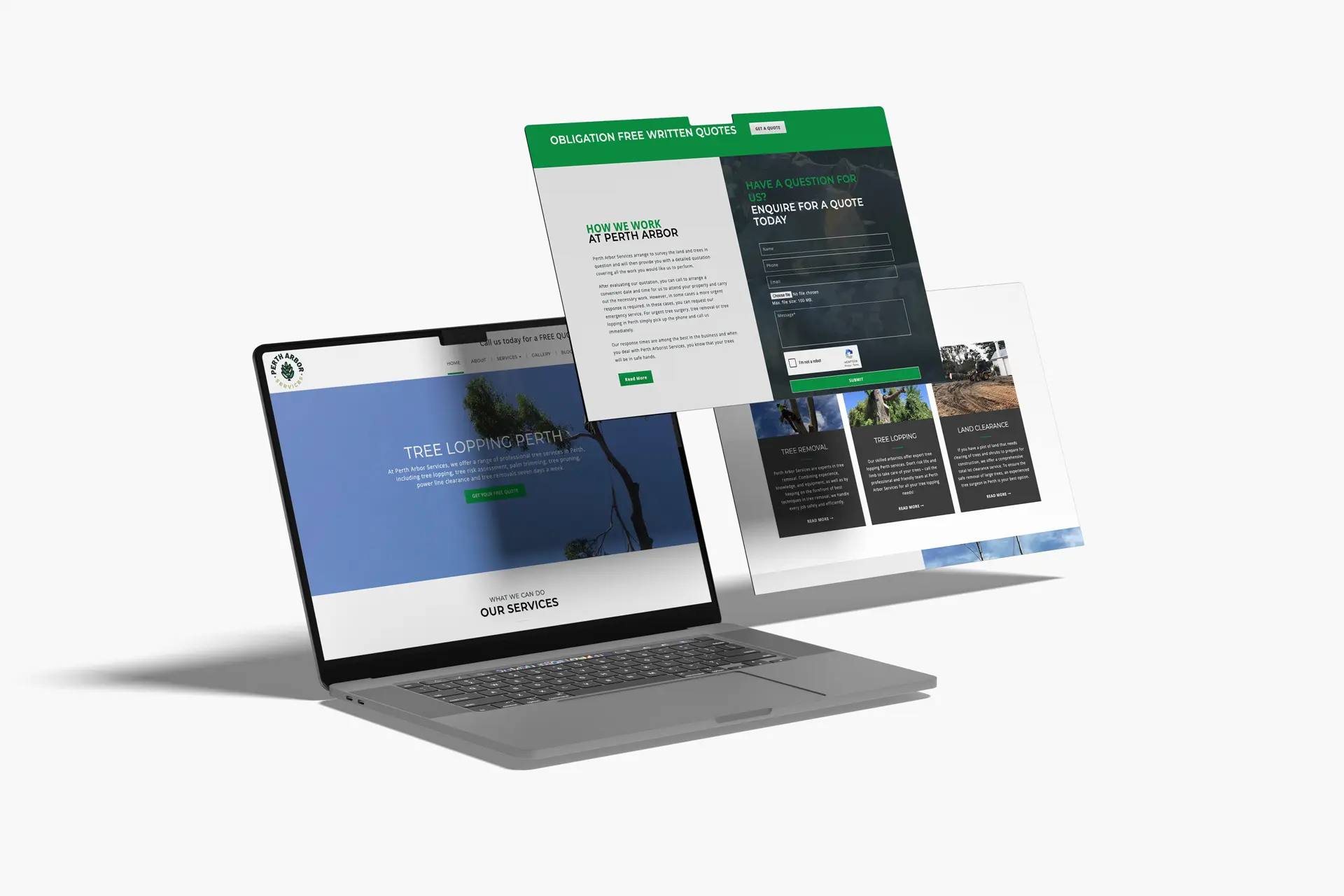
Perth Arbor Services, a trusted provider of professional tree removal, pruning, and arborist services, partnered with PWD in 2015 with the goal of becoming Perth’s most visible and reputable tree care company online.
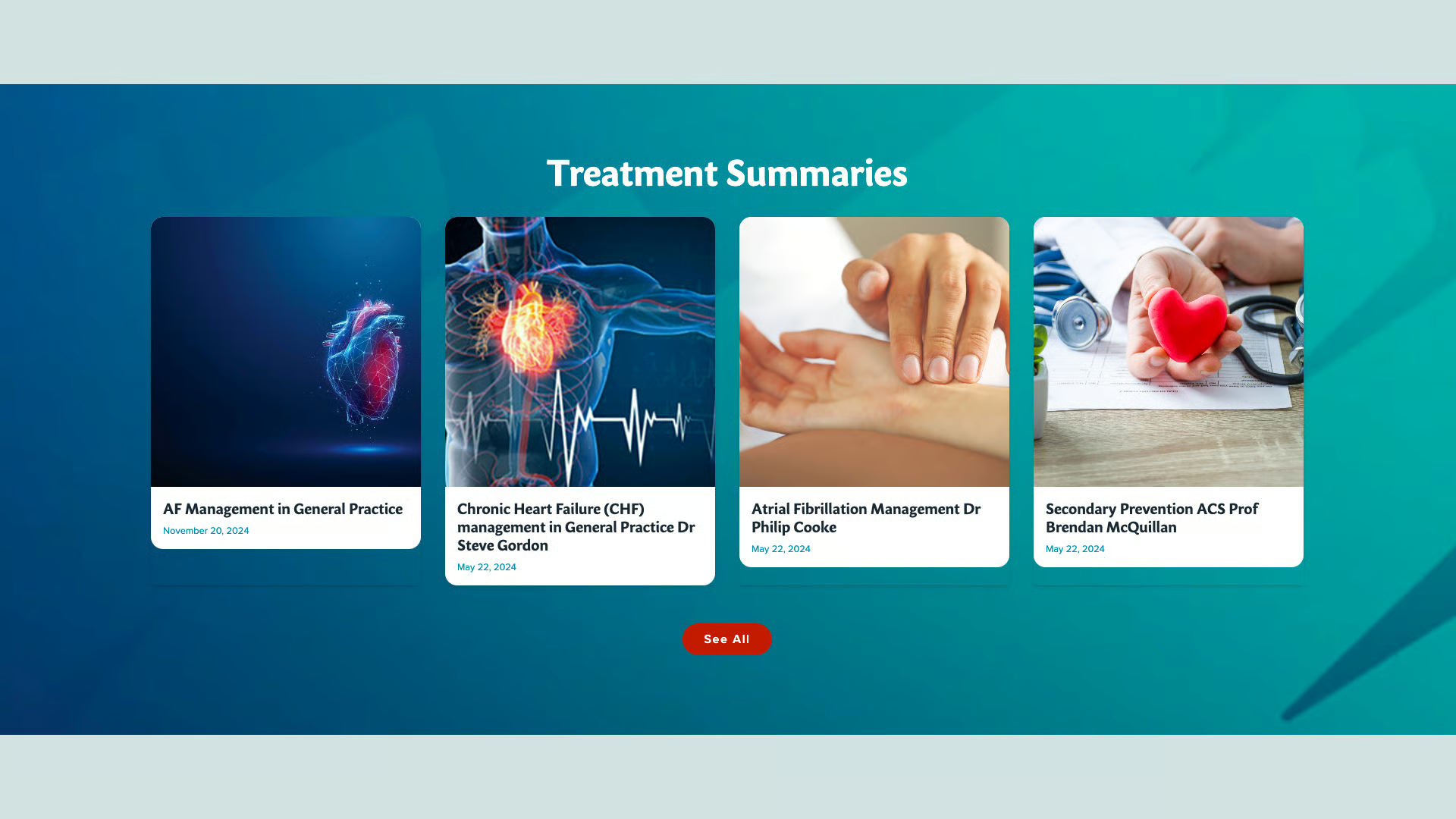
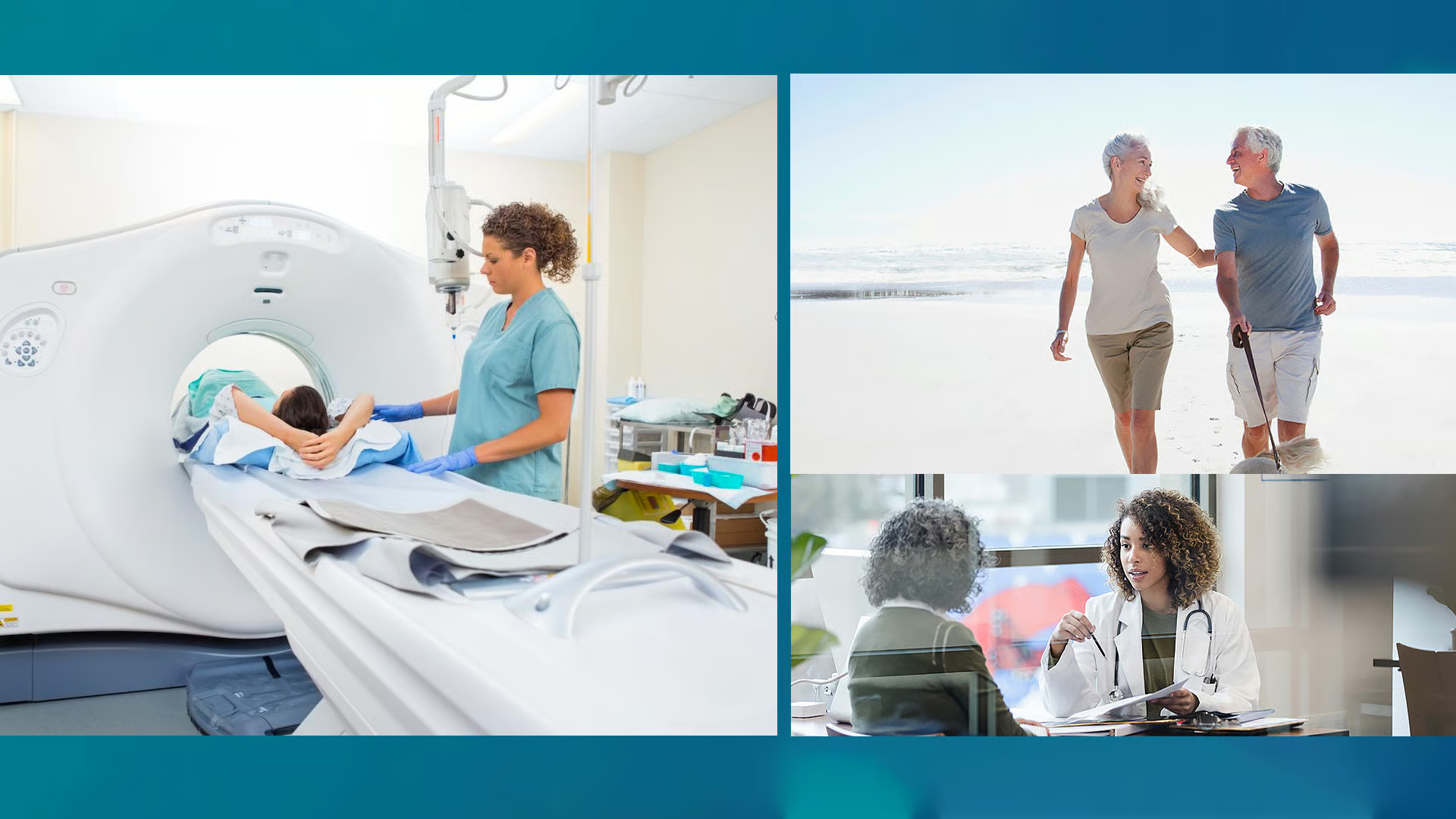
Western Cardiology’s expert team of adult and paediatric cardiologists with their highly trained cardiac sonographers and technicians deliver world-class heart care in Perth and regional Western Australia.

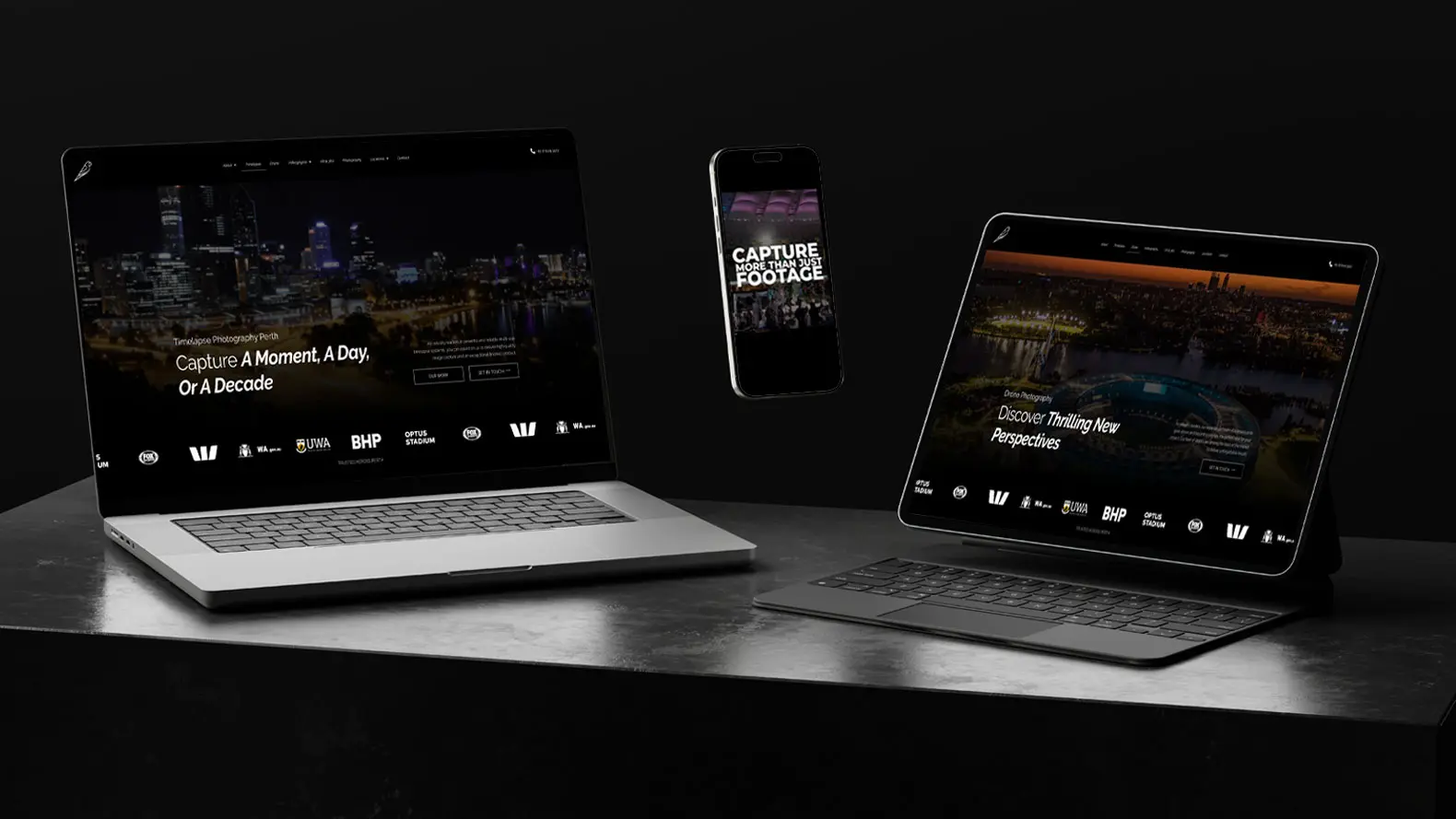
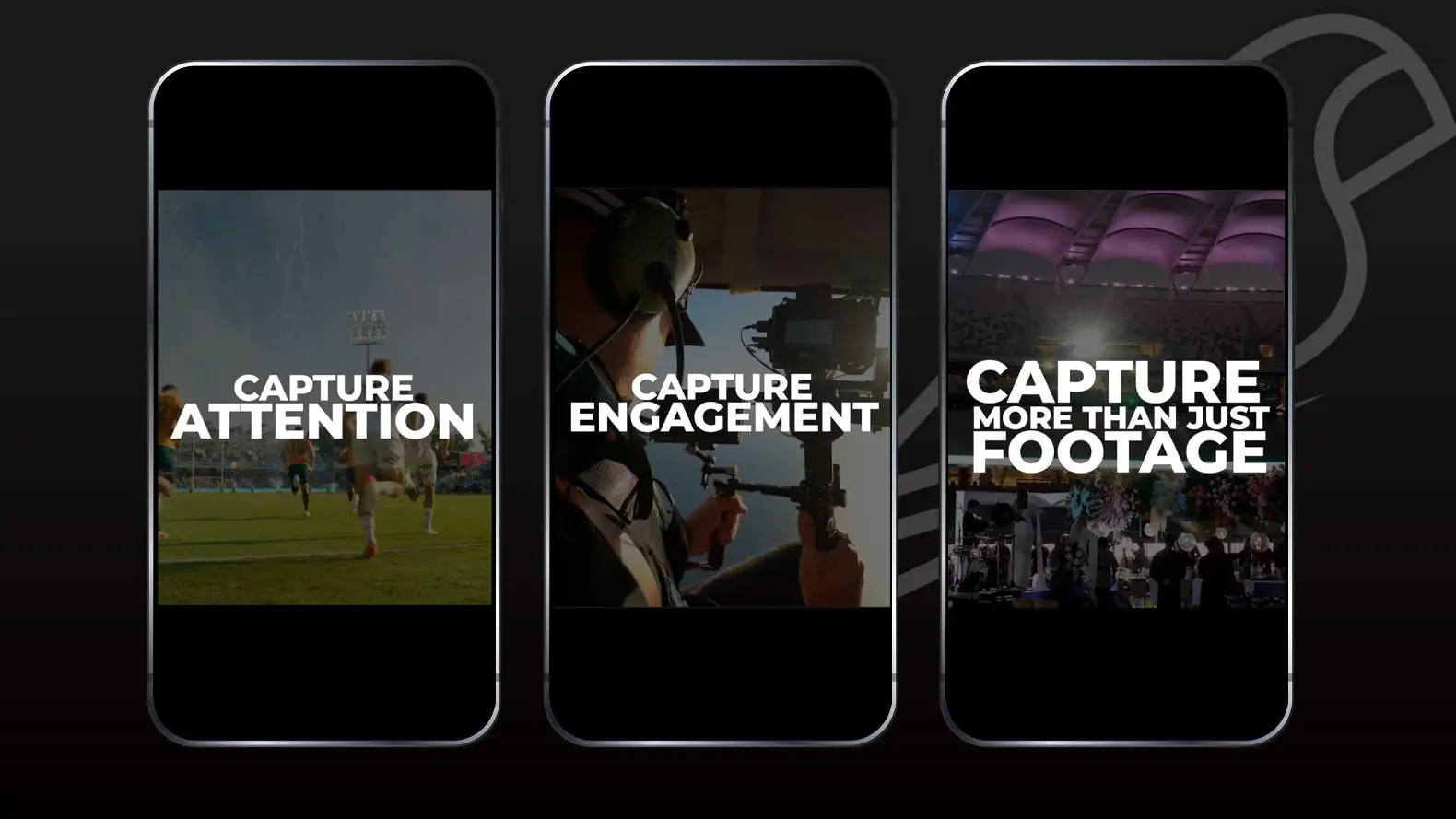
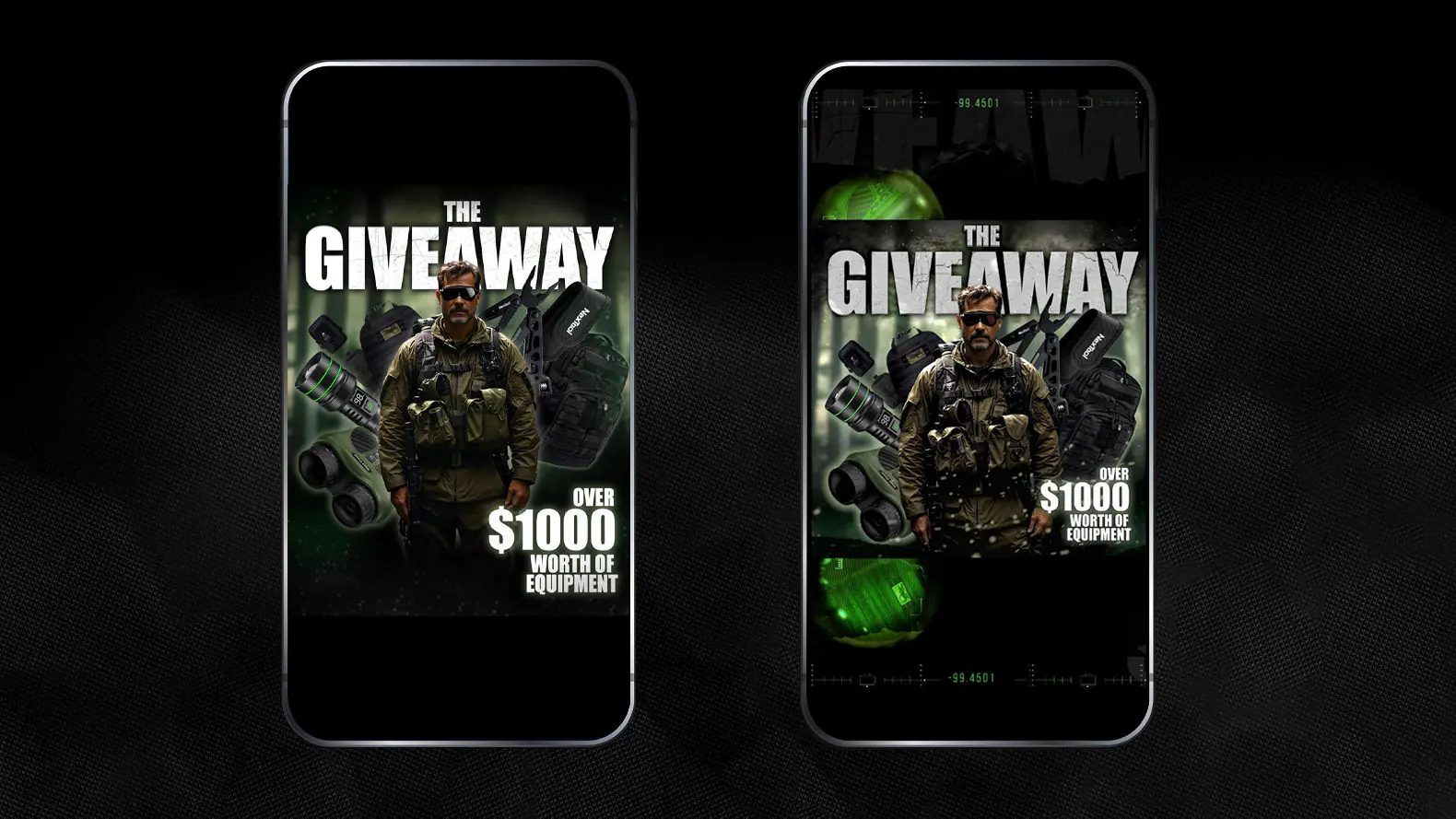
Birds Eye Media, a creative agency specialising in drone videography and immersive VR/360 content, partnered with PWD to expand their visibility beyond Perth and capture market share across Australia.

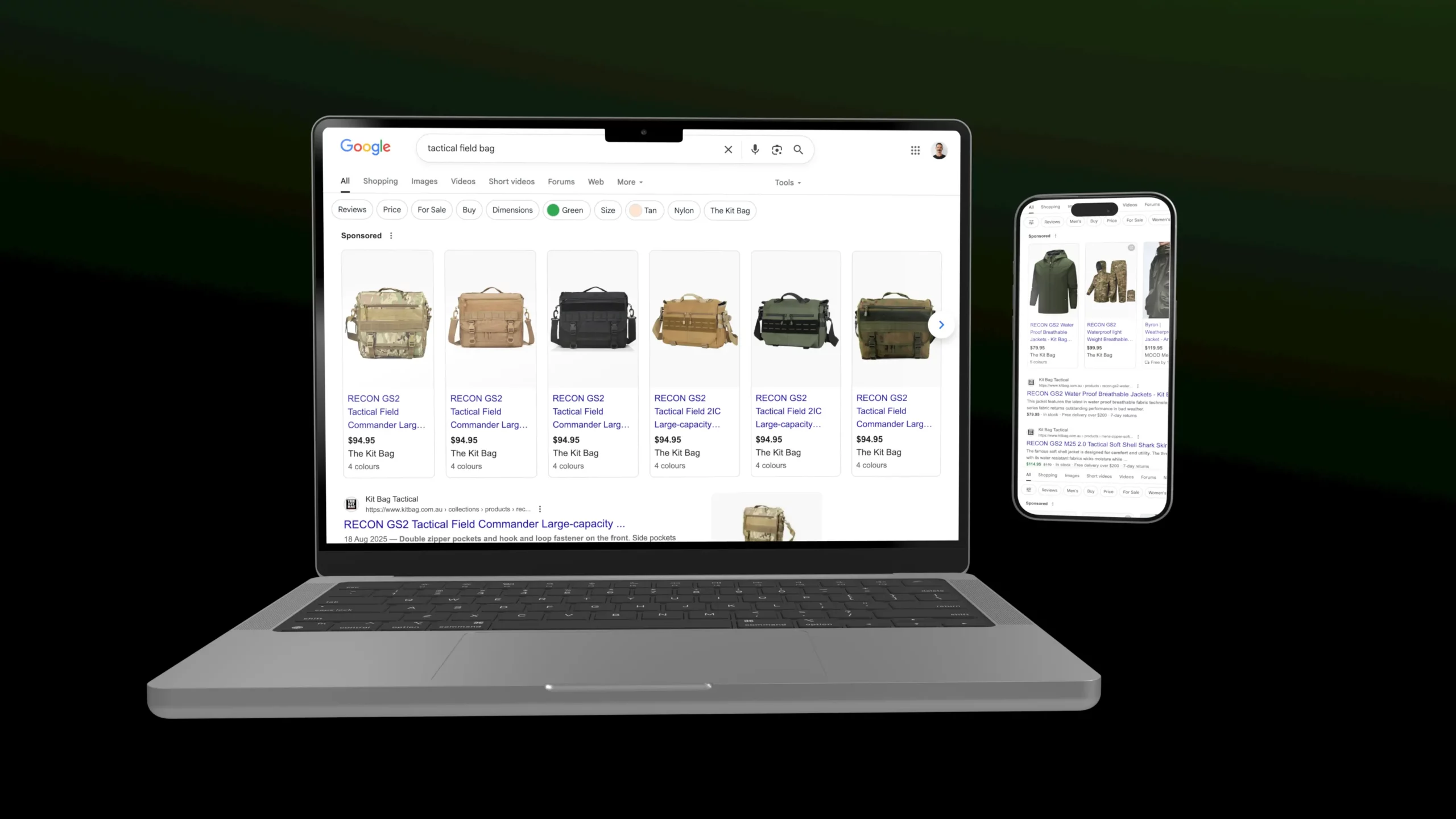
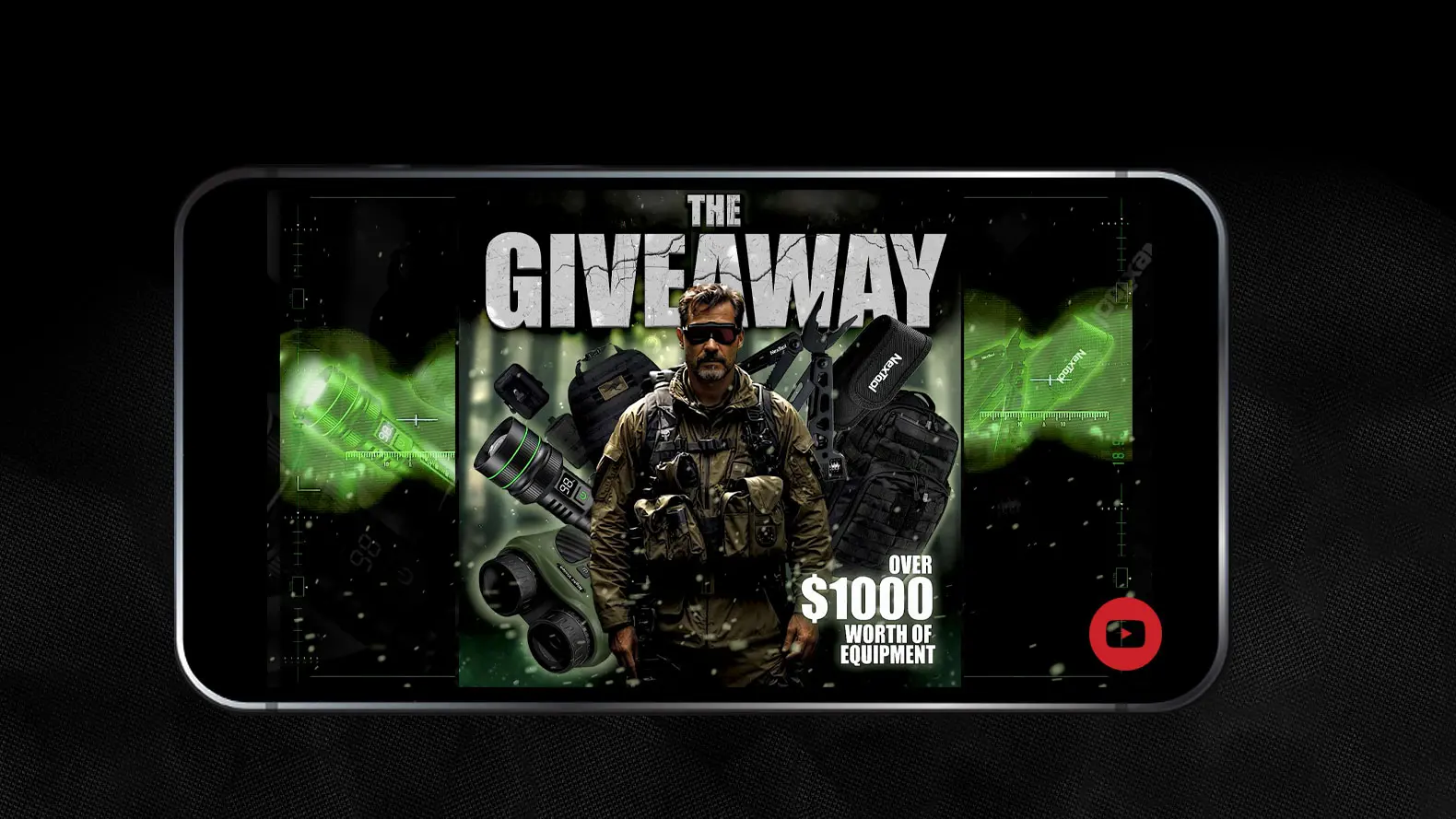
Kit Bag, a leading Australian provider of safety gear, uniforms, and workwear, partnered with PWD to strengthen its digital presence and scale online sales.
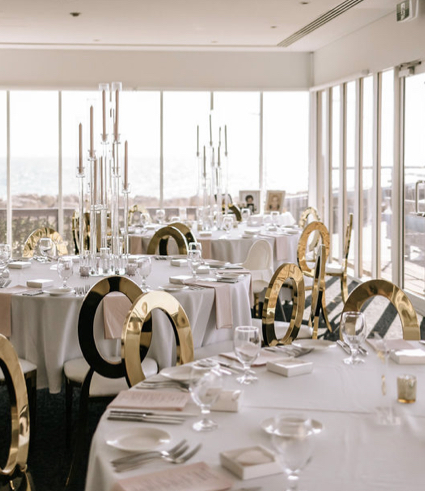
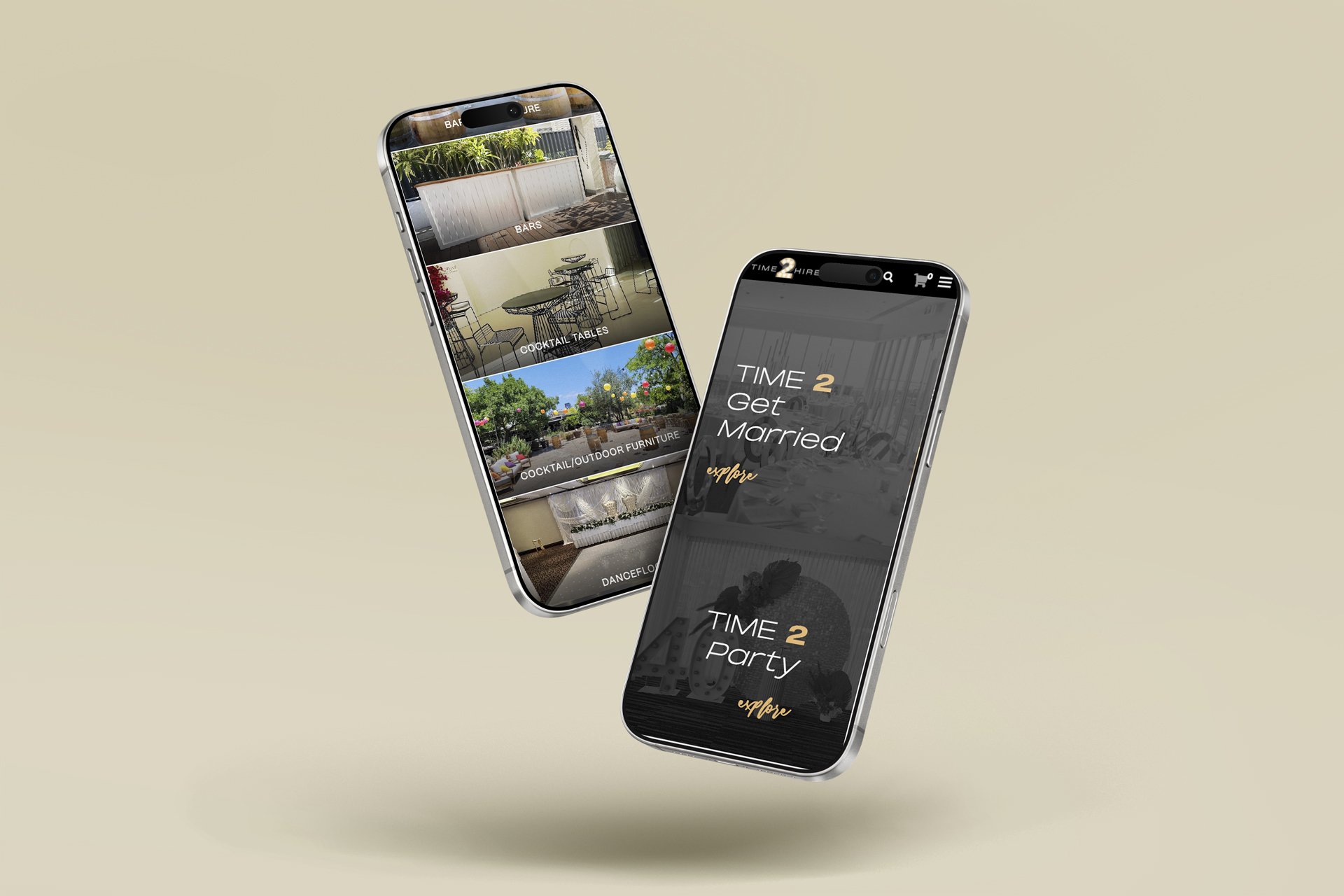
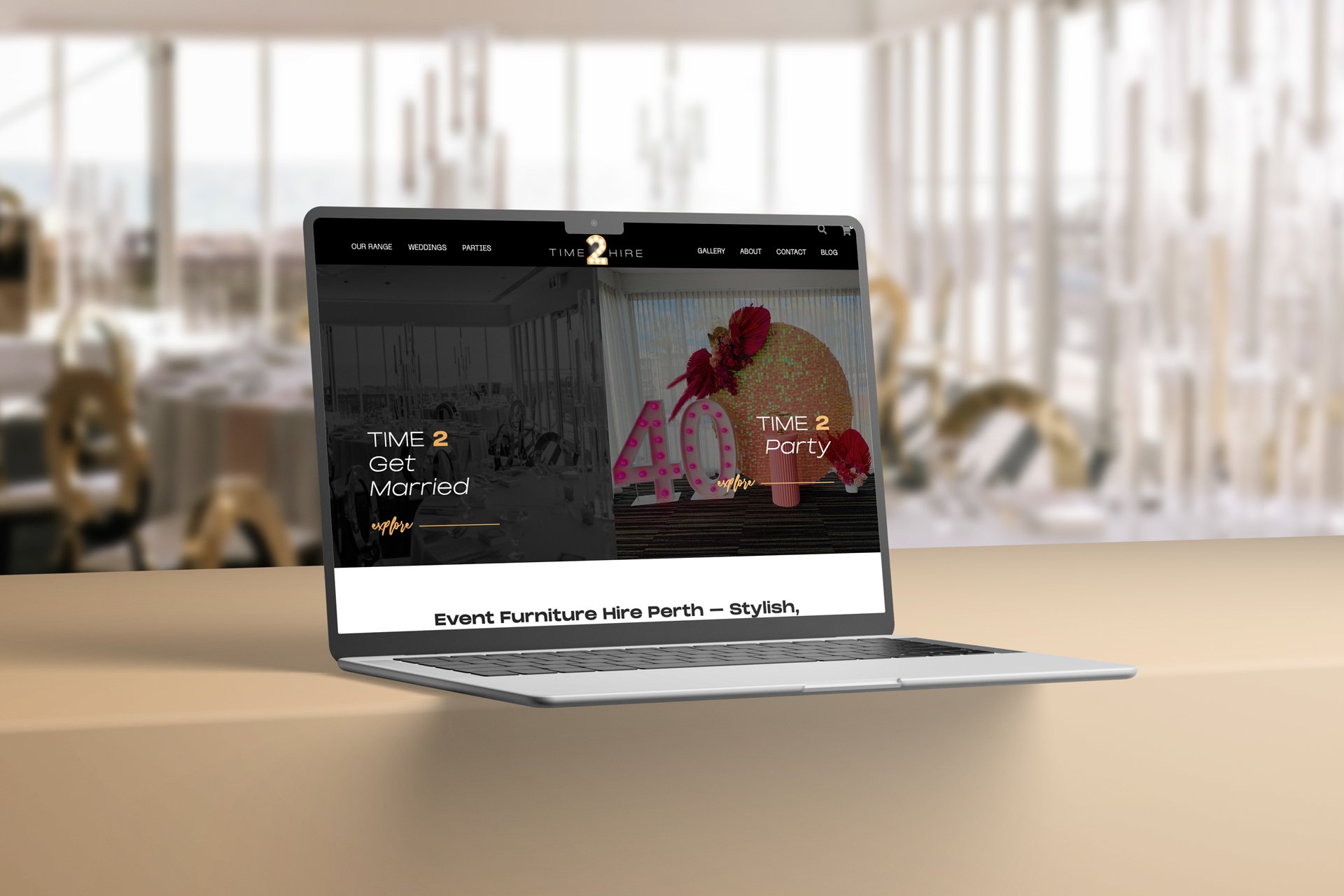
Time 2 Hire provides event and wedding furniture and equipment hire across the Perth Metro area.
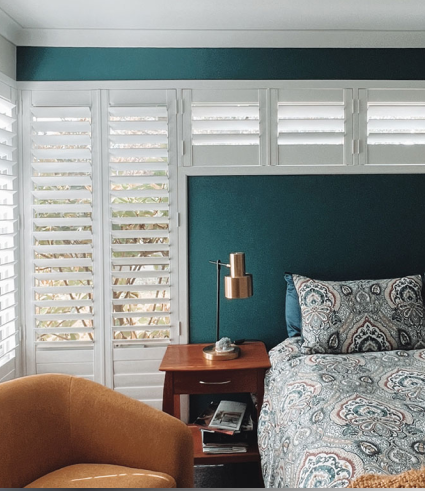
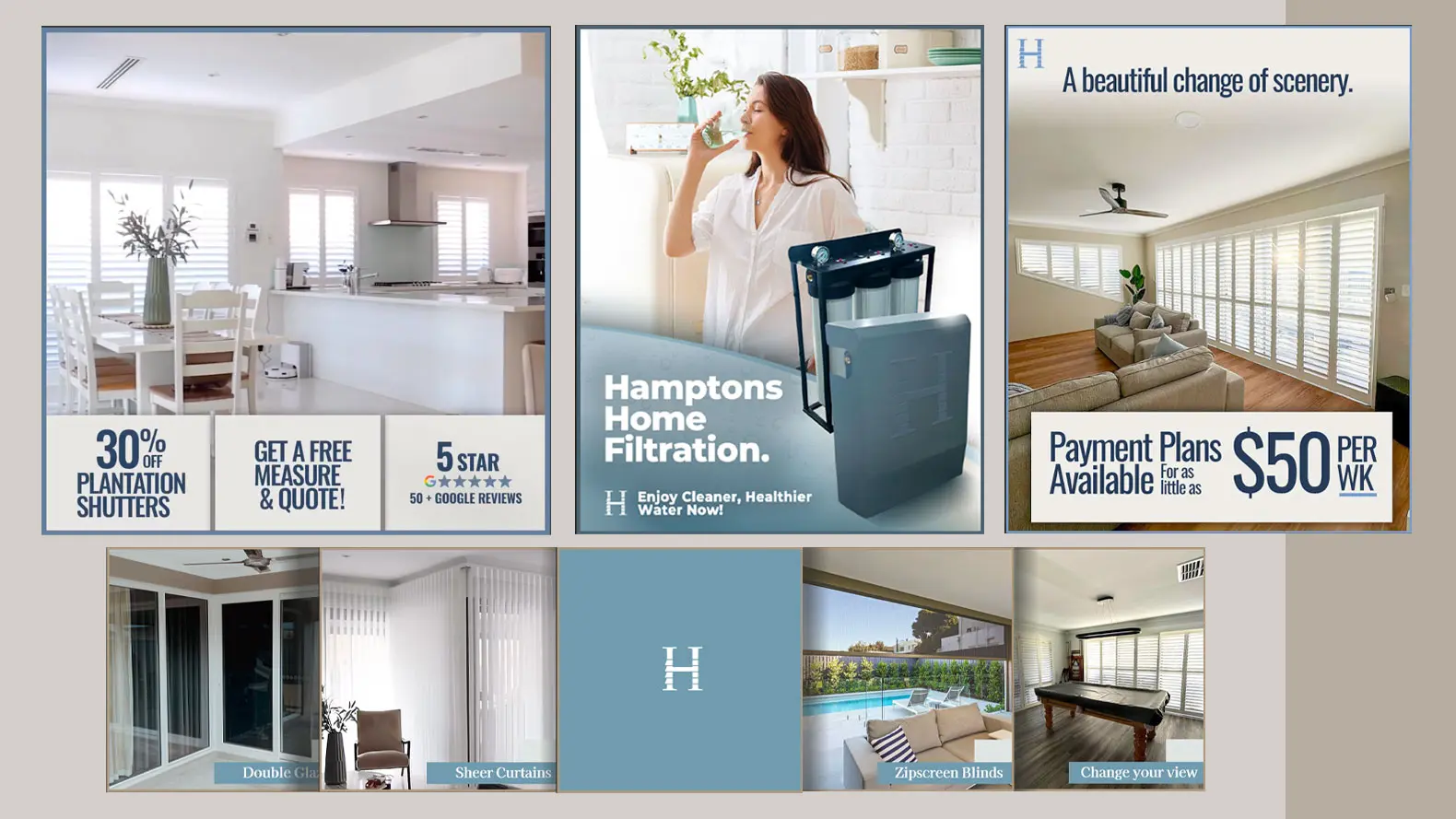
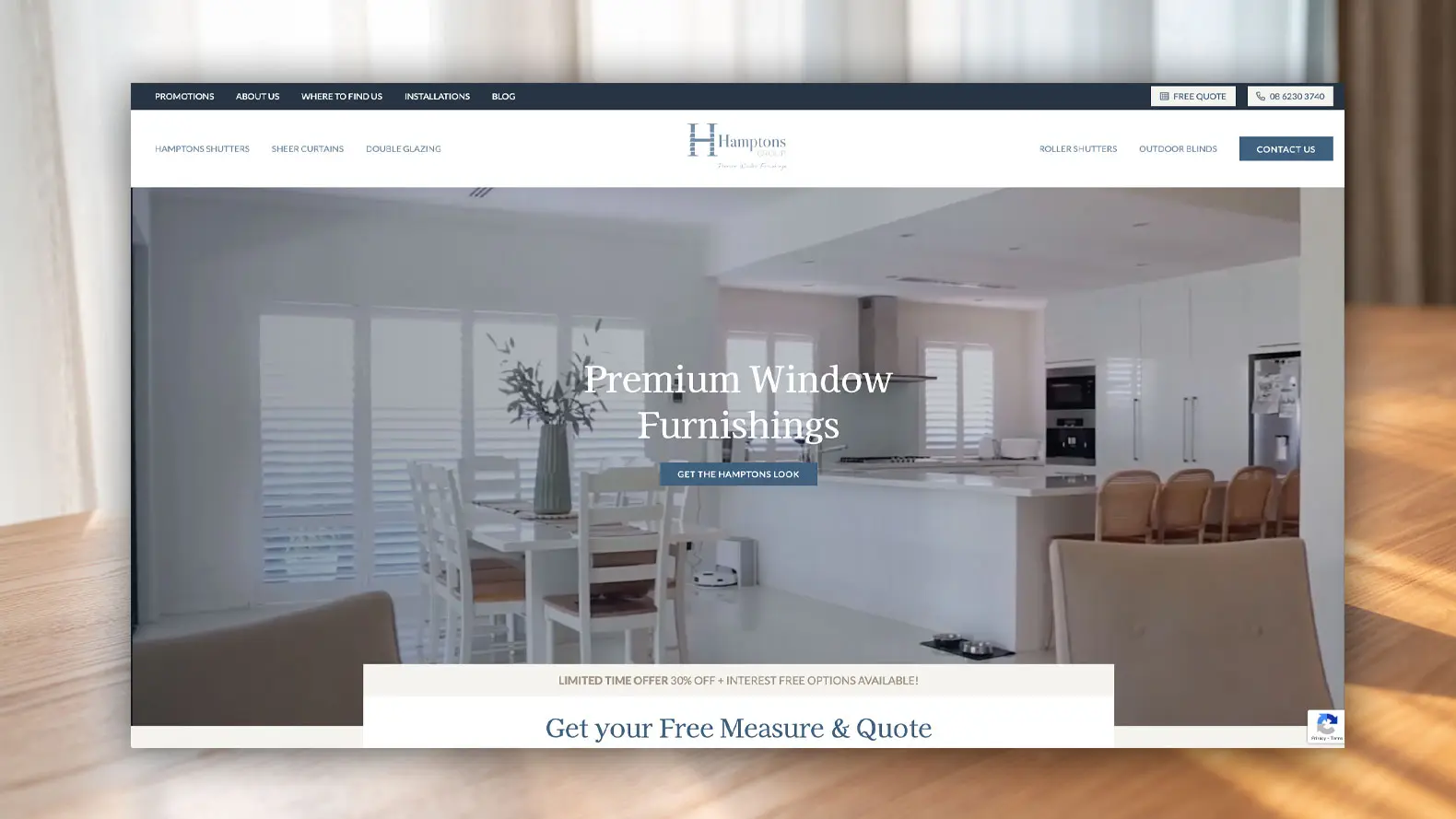
Starting with just one service in plantation shutters, Hamptons Group partnered with PWD to grow their business through a new website and a mix of digital and traditional advertising.
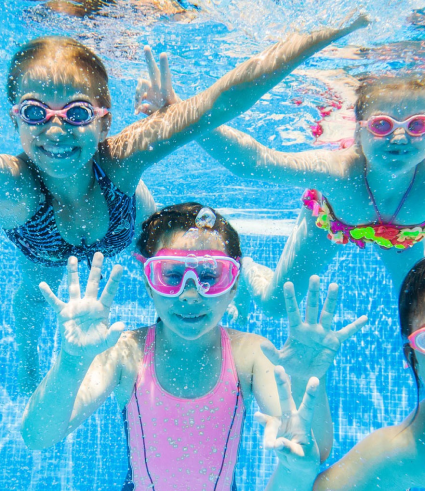
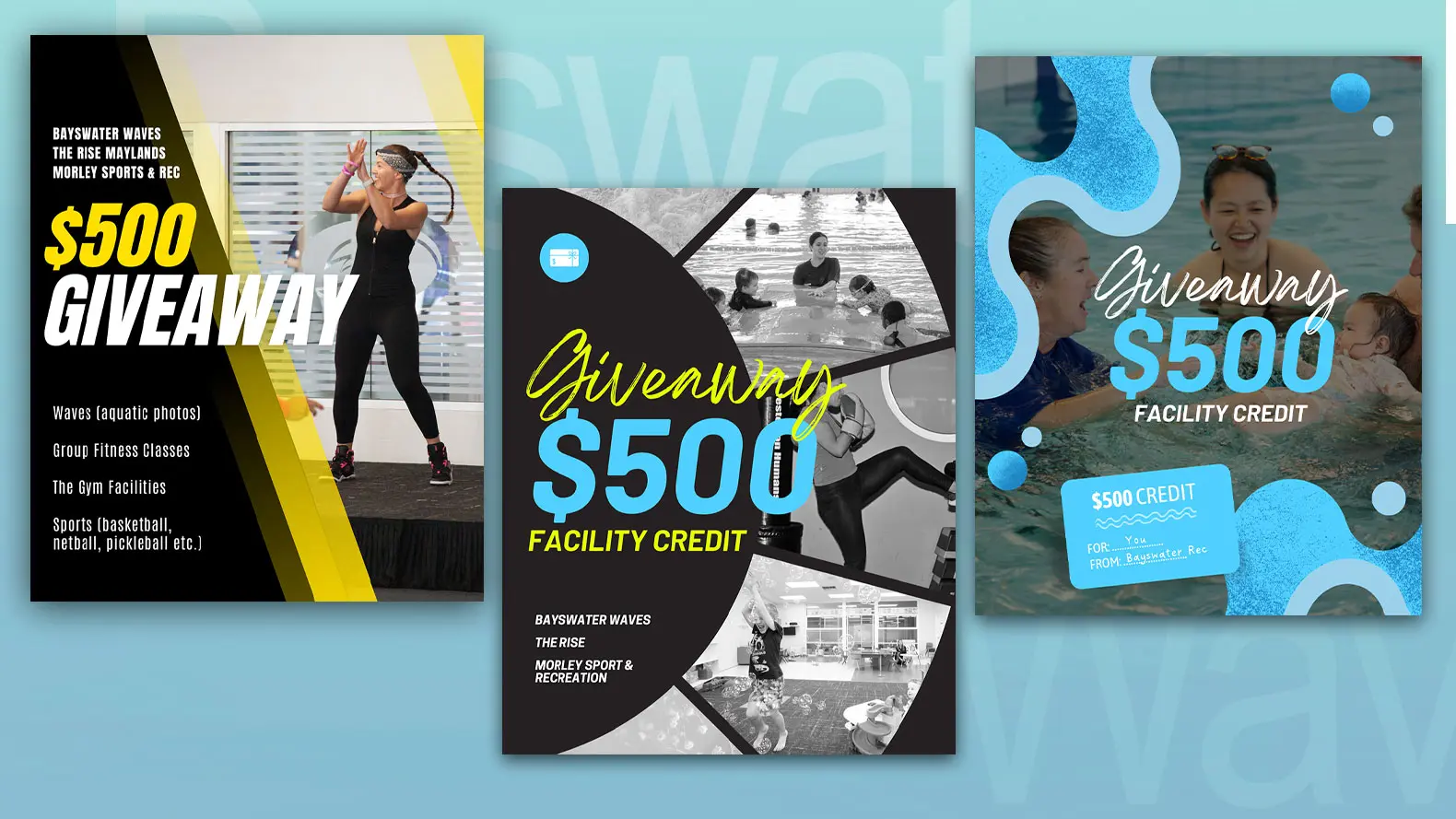
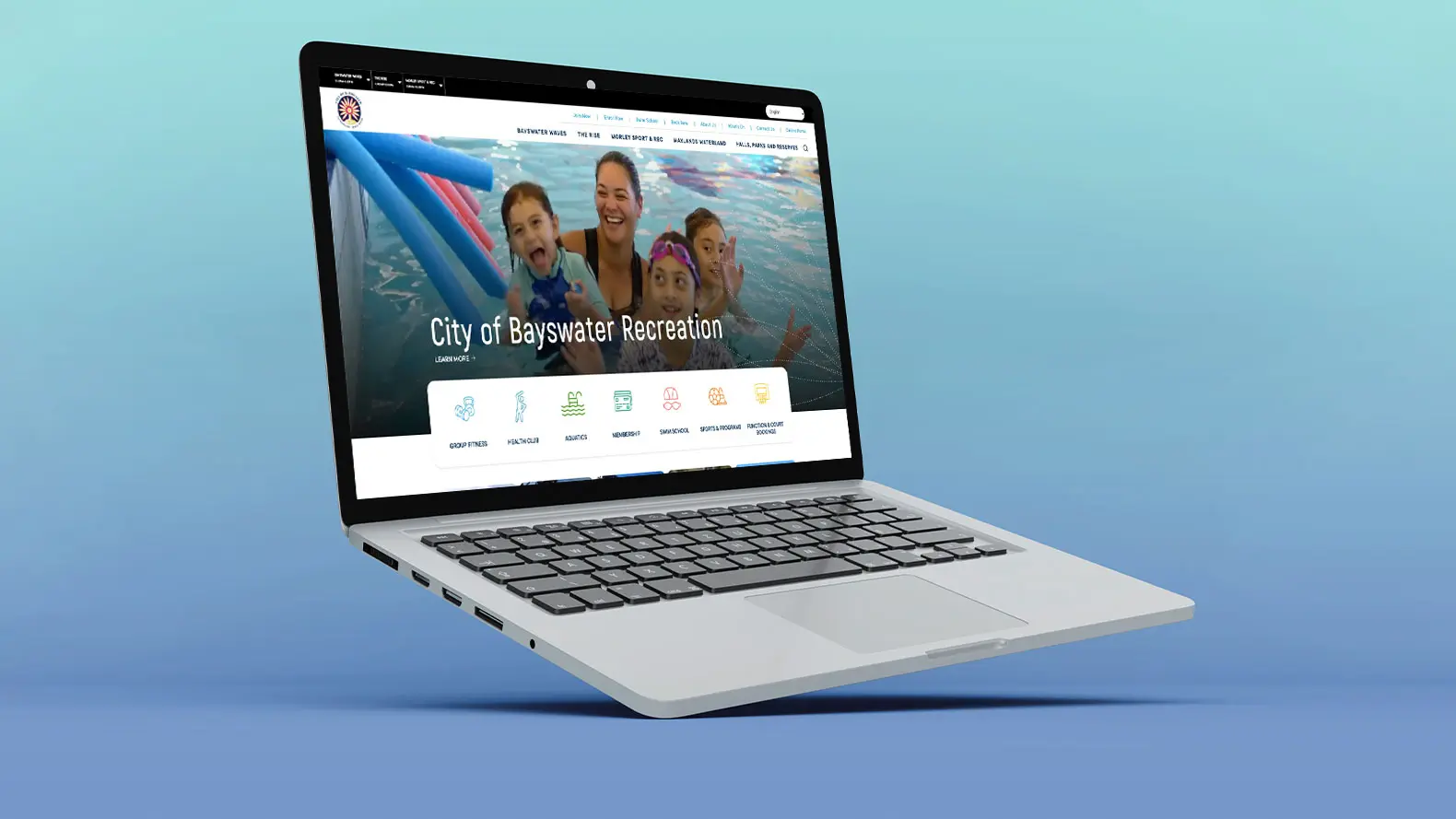
PWD transformed the City of Bayswater Recreation’s operations with a new website featuring interactive maps, timetables, dynamic navigation, and digital forms, streamlining processes and significantly reducing administrative workload.
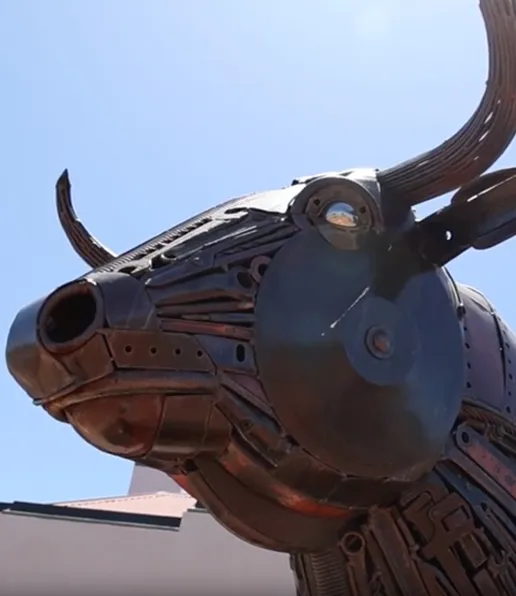
The Shire of Quairading is a wheatbelt town, situated 170km east of Perth, employed PWD to rebuild its old site into one that was comprehensive and combined features for those living in Quaiarading, those looking to explore the surrounding areas, and a portal for council members to store minutes and agendas.
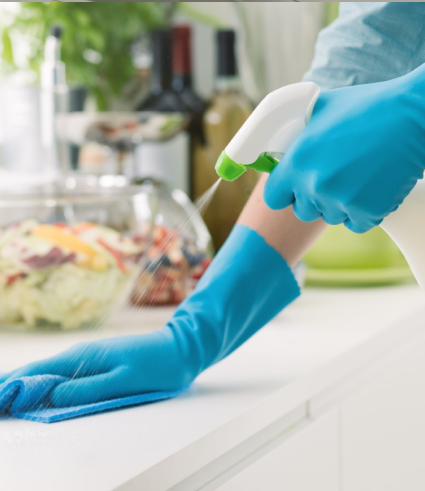
HousekeepingWA is a trusted Perth-based cleaning business with strong word-of-mouth and years of industry experience, but their Google Ads account was underperforming.
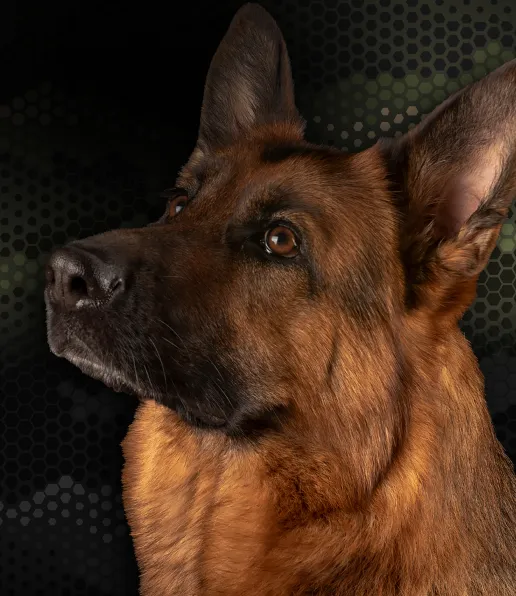
AllBreeds is one of Perth’s most established and trusted dog training and pet boarding providers.
Diabetes WA is a leading not-for-profit and innovative health services provider dedicated to reducing the impact of diabetes on West Australians and advocating for a more equitable health system across the state.
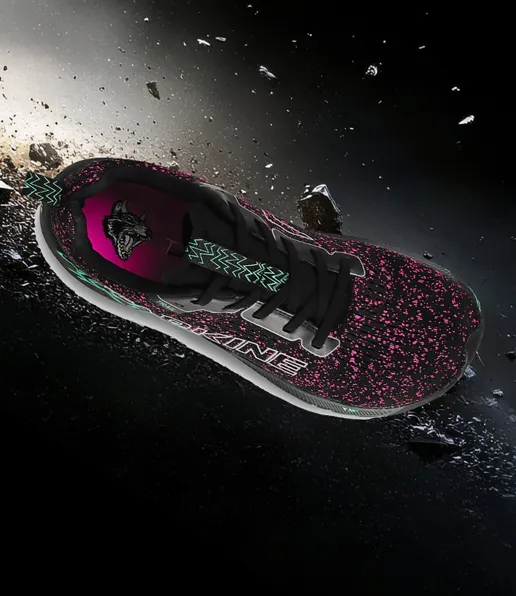
SBR Collective is a performance-driven retail brand built by athletes, for athletes.

Travel Insured, a long-established travel insurance provider, partnered with PWD to tackle a critical performance plateau.

With very tight deadlines to meet, PWD was asked to complete a “Like No Other” website landing page for the Department of Tourism, Jobs, Science and Innovation, to support the return of visitors to WA after COVID-19.
Oracle Surveys is one of Western Australia’s most reputable and trusted land surveying consultancies, servicing all areas of the Perth metropolitan area and beyond since 2000.
EV Metals Group (EVM) is building a global battery chemicals and technology company committed to a clean energy future.
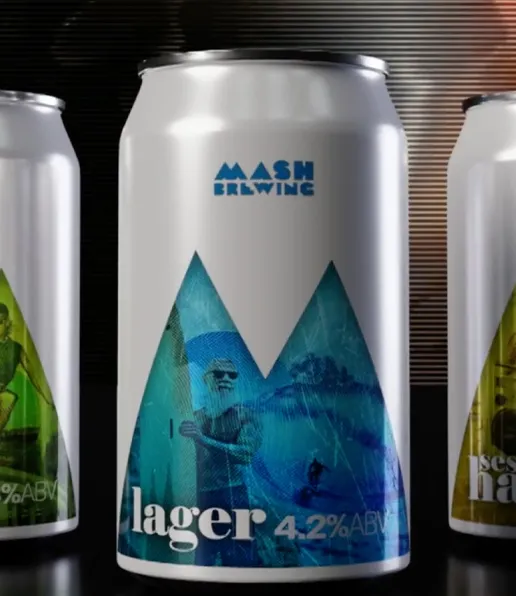
Brewing tradition, crafting innovation. Mash Brewing, proudly rooted in Western Australia, partners with PWD to embark on a daring new brand journey.
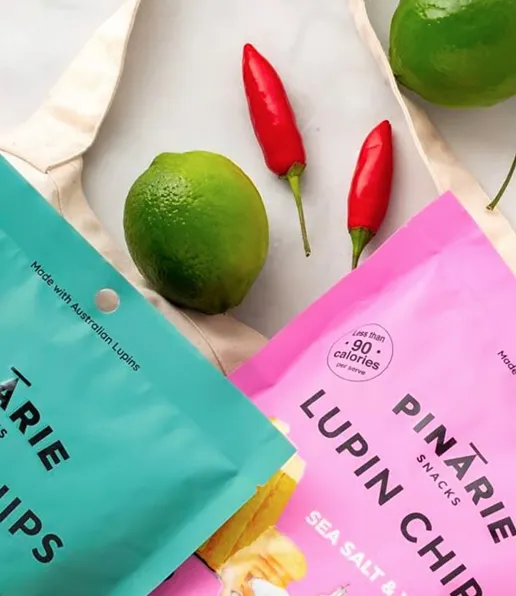
At PINARIE FOODS they are absolutely passionate about creating lupin based food products that benefit you and your family and contribute to farmer livelihoods and sustainable soil health in Western Australia.

Stunning jewellery and timepieces deserved an online presence and media campaigns that reflected the quality and sophistication.
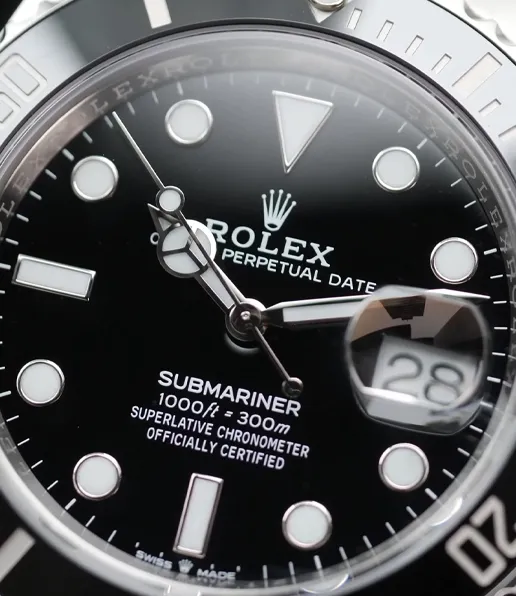
Calibre24 is a trusted Australian based online Watch store.
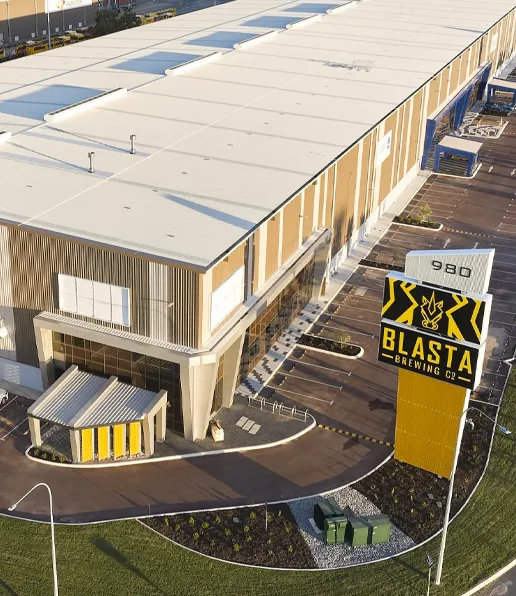
SARICH Building is a local design and construct, industrial and commercial construction specialist in WA.
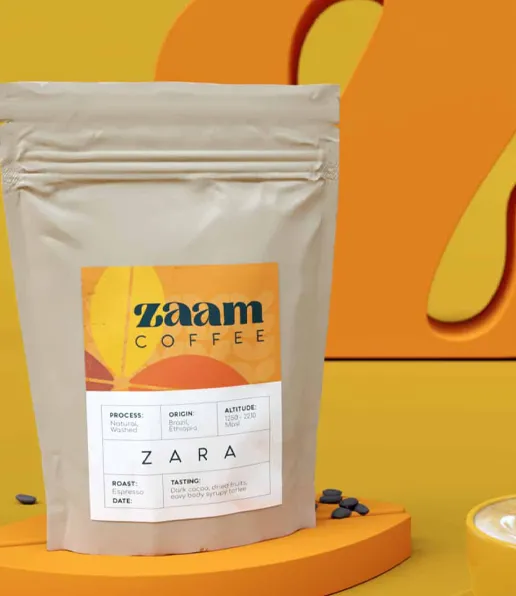
Indulge in Zaam Coffee – where passion meets perfection.
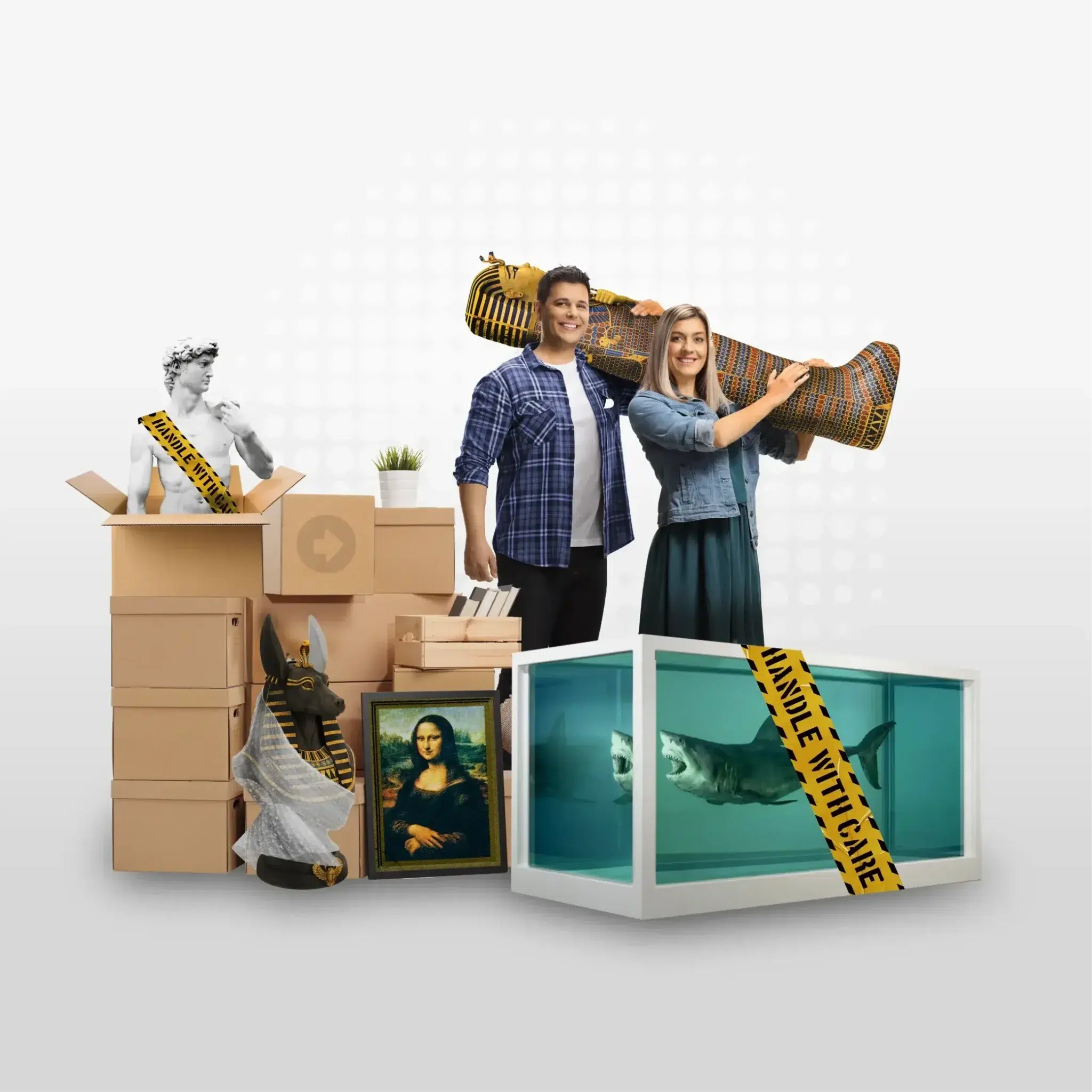
Yello! Yello Truck Rentals is a proudly Australian-owned business that calls the vast state of Western Australia its backyard.
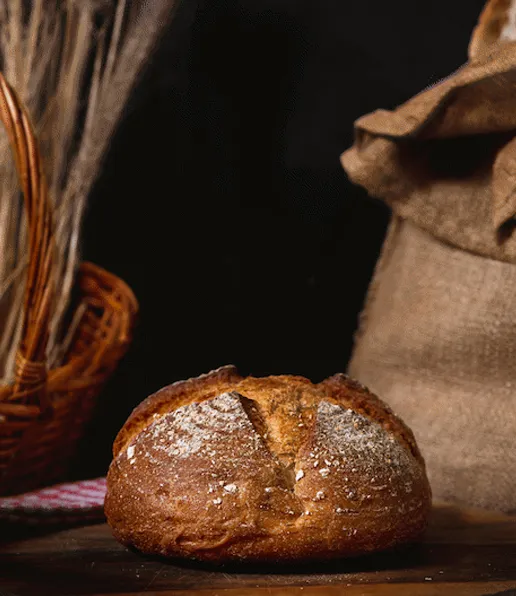
A legend in the baking. With this brand we wanted to capture the history, present and the future of this innovative bakery.