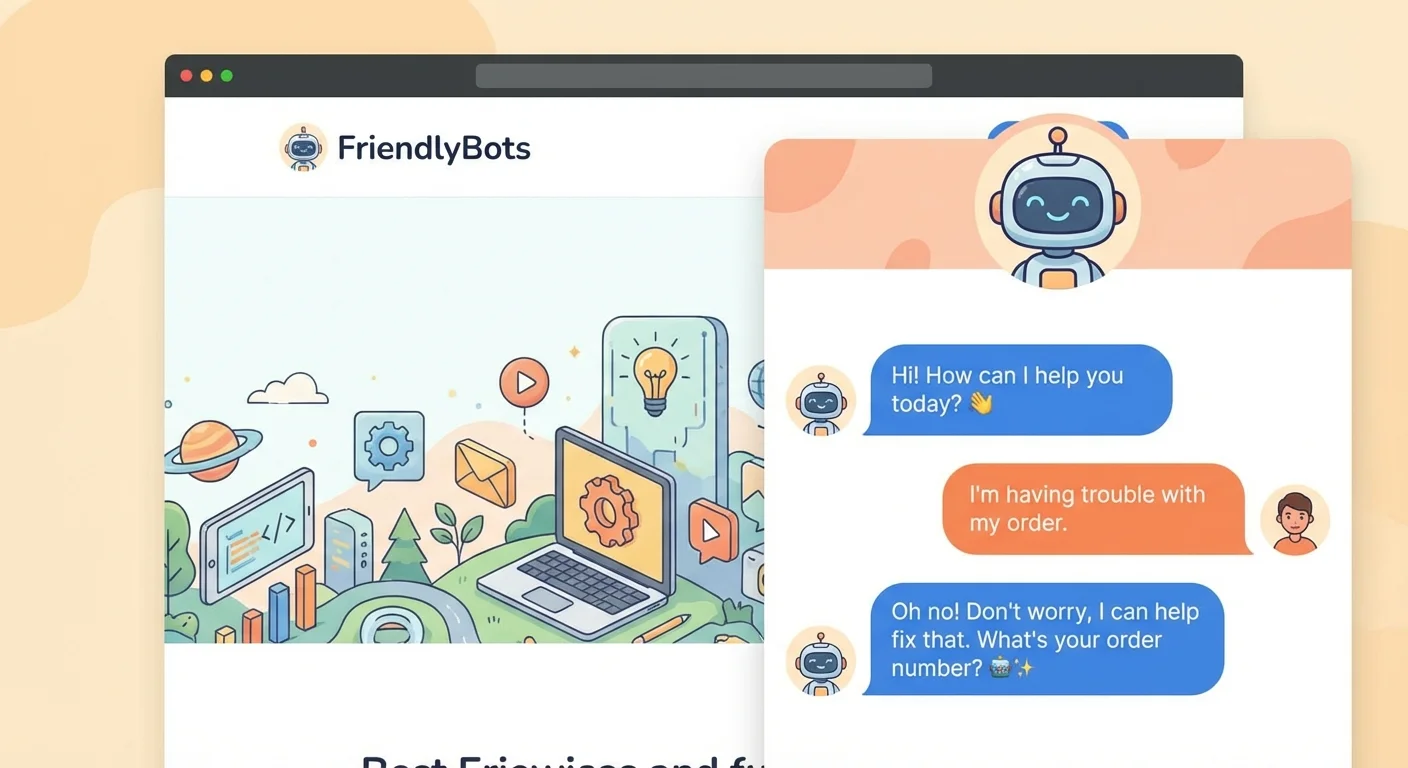
The Power of AI Chatbots and Why Your Website Needs One in 2026

Customer expectations have shifted dramatically. People want instant answers, immediate support, and seamless interactions with businesses online. If your website can’t provide that level of responsiveness, you’re losing potential customers to competitors who can.
Chatbots represent one of the most effective ways to meet these modern expectations. They’re not just a trend – they’re becoming essential infrastructure for businesses that want to stay competitive. The question isn’t whether you should implement a chatbot, but how quickly you can get one running on your website.
We’ll show you exactly why chatbots work, how they benefit your business, and what makes them so effective at converting visitors into customers.
What Are Chatbots and How Do They Work?
Chatbots are automated messaging systems that simulate human conversation with your website visitors. They use predefined response patterns and artificial intelligence to handle customer queries, guide users through your website, and collect lead information – all without human intervention.
The technology works by analysing incoming messages and matching them against programmed responses or decision trees. Advanced chatbots use natural language processing to understand context and intent, making conversations feel more natural and helpful.
Think of them as your first line of customer service. They handle the common questions, filter out time-wasters, and escalate complex issues to your human team. For businesses implementing effective digital marketing strategies, chatbots provide measurable improvements in engagement and conversion rates.
Why Modern Websites Need Chatbots
Your website visitors have questions. Without a chatbot, they’re forced to hunt through your pages, fill out contact forms, or call during business hours. Most won’t bother – they’ll leave and find a competitor who makes getting answers easier.
Chatbots solve this problem by providing instant engagement. They can qualify leads, answer frequently asked questions, and guide users toward making a purchase decision. This immediate response capability directly impacts your bottom line.

The Business Benefits of Website Chatbots
24/7 Customer Support Without the Cost
Traditional customer support requires staff, shifts, and ongoing labour costs. Chatbots work around the clock without breaks, sick days, or salary increases. They handle multiple conversations simultaneously, providing consistent service quality regardless of volume.
For Australian businesses, this means supporting customers across different time zones without hiring night shift staff. Your Perth customers get the same quality service at 2 AM as they do at 2 PM.
Faster Response Times Improve Conversion
Studies show that responding to leads within five minutes increases conversion rates by 900%. Chatbots respond in seconds, not hours or days. This speed advantage directly translates to more sales and better customer satisfaction.
When integrated with your broader digital marketing approach, chatbots can nurture leads immediately after they arrive from advertising campaigns or search results.
Intelligent Lead Qualification
Not all website visitors are ready to buy, but chatbots can identify those who are. Through strategic questioning, they qualify leads based on budget, timeline, and specific needs. This information helps your sales team prioritise follow-ups and tailor their approach.
Smart chatbots collect contact information naturally during the conversation, building your email list while providing value to users. This data becomes part of your broader marketing strategy.
Reduced Bounce Rates and Increased Engagement
Visitors who interact with chatbots spend more time on your website and visit more pages. This engagement signals to search engines that your content is valuable, potentially improving your SEO performance.
Interactive elements like chatbots make your website feel more dynamic and responsive. Users get immediate feedback and assistance, creating a better overall experience that encourages them to explore your offerings.
Cost-Effective Scaling
As your business grows, chatbots handle increased customer volume without proportional cost increases. One chatbot can manage hundreds of conversations simultaneously, making them incredibly efficient for scaling businesses.
This efficiency is particularly valuable for small businesses and startups that need to maximise every marketing dollar. Instead of hiring additional support staff, you can redirect resources to growth activities while maintaining excellent customer service.
Types of Chatbot Implementations
Rule-Based Chatbots
These chatbots follow predetermined conversation paths based on keywords and user selections. They’re perfect for handling common questions, directing users to specific pages, or collecting basic information. Rule-based systems are reliable, predictable, and easier to set up.
AI-Powered Chatbots
Advanced chatbots use machine learning and natural language processing to understand context and intent. They can handle more complex conversations and learn from interactions to improve over time. These systems require more setup but provide more sophisticated customer interactions.
Hybrid Approaches
The most effective chatbot strategies combine automation with human handoff. The bot handles initial screening and common questions, then seamlessly transfers complex issues to human agents. This approach maximises efficiency while maintaining personal touch when needed.

Best Practices for Chatbot Implementation
Define Clear Objectives
Start with specific goals. Do you want to reduce support tickets, increase lead generation, or improve customer satisfaction? Clear objectives guide your chatbot’s design and help measure success.
Consider how the chatbot fits into your broader website strategy. If you’re focused on improving user experience, design conversations that guide users to relevant information quickly.
Design Natural Conversations
Write chatbot responses in your brand voice. Avoid robotic language and create conversations that feel helpful rather than pushy. Use Australian spelling and colloquialisms when appropriate for your audience.
Plan for common conversation paths, but also prepare for unexpected inputs. Good chatbots acknowledge when they don’t understand and gracefully redirect users to helpful alternatives.
Strategic Placement and Timing
Position your chatbot where users are most likely to need help – product pages, pricing sections, or contact areas. Consider using exit-intent triggers to engage users who are about to leave your site.
Timing matters too. Don’t immediately bombard visitors with chat popups. Give them time to explore your site first, then offer assistance when they show signs of needing help.
Measuring Chatbot Success
Track key metrics to understand your chatbot’s impact. Important measurements include conversation completion rates, lead generation numbers, customer satisfaction scores, and resolution times. These metrics help you refine your chatbot strategy over time.
Integration with your analytics tools provides deeper insights. You can see how chatbot interactions affect overall website performance and user behaviour patterns.
Regular analysis of conversation logs reveals common pain points and opportunities for improvement. Use this data to expand your chatbot’s capabilities and better serve your audience.
Common Chatbot Mistakes to Avoid
Don’t try to make your chatbot handle everything from day one. Start with common questions and scenarios, then expand gradually. Overcomplicating initial setup leads to poor user experiences and implementation delays.
Avoid hiding the fact that users are talking to a bot. Transparency builds trust and sets appropriate expectations. Users appreciate knowing they’re interacting with automation, especially when it’s helpful and efficient.
Regular maintenance is essential. Update your chatbot’s knowledge base, refine conversation flows, and fix issues quickly. Neglected chatbots become frustrating rather than helpful, potentially damaging your brand reputation.

Future of Chatbot Technology
Chatbot technology continues advancing rapidly. Voice integration, better language understanding, and personalisation capabilities are making these tools more powerful and user-friendly. Businesses that implement chatbots now gain experience and data advantages for future upgrades.
Integration with other business tools is expanding too. Modern chatbots can schedule appointments, process payments, and update customer records automatically. This functionality transforms them from simple Q&A tools into powerful business automation systems.
The key is starting with a solid foundation and evolving your chatbot strategy as the technology improves. Early adoption gives you competitive advantages and better understanding of what works for your specific business and customers.
Frequently Asked Questions
How much does it cost to add a chatbot to my website?
Chatbot costs vary from $20-50 monthly for basic platforms to $500+ for advanced custom solutions. Most small businesses start with affordable options and upgrade as needs grow.
Can chatbots work with my existing website?
Yes, most chatbots integrate with any website through simple code snippets. They work with WordPress, Shopify, custom sites, and major website platforms without requiring rebuilds.
Do chatbots replace human customer service staff?
Chatbots supplement rather than replace human staff. They handle routine questions and initial screening, freeing your team to focus on complex issues and relationship building.
How long does it take to set up a website chatbot?
Basic chatbots can be set up in a few hours to days. More sophisticated systems with custom workflows and integrations typically take 2-4 weeks to fully implement and test.
What types of businesses benefit most from chatbots?
Service businesses, e-commerce stores, and companies with frequent customer inquiries see the biggest benefits. Any business that receives repetitive questions can improve efficiency with chatbots.
Can chatbots help with SEO and website rankings?
Chatbots can improve SEO indirectly by increasing user engagement, reducing bounce rates, and improving user experience metrics that search engines consider for rankings.