How to Tackle Ad Fatigue in Your Search, Display & Remarketing Campaigns

Ad fatigue kills campaign performance faster than almost any other issue in Google Ads management. Even well-tuned campaigns with solid targeting and strong creatives see falling click-through rates as audiences get oversaturated with the same messaging.
The problem hits hardest on remarketing campaigns and display networks. The same users see identical ads over and over. But search campaigns are not immune either. Knowing how to spot, prevent, and fix ad fatigue separates strong campaigns from stagnant ones.
Here is exactly how to tackle ad fatigue across your search, display, and remarketing campaigns to keep performance strong over time.
What Is Ad Fatigue and Why It Kills Performance
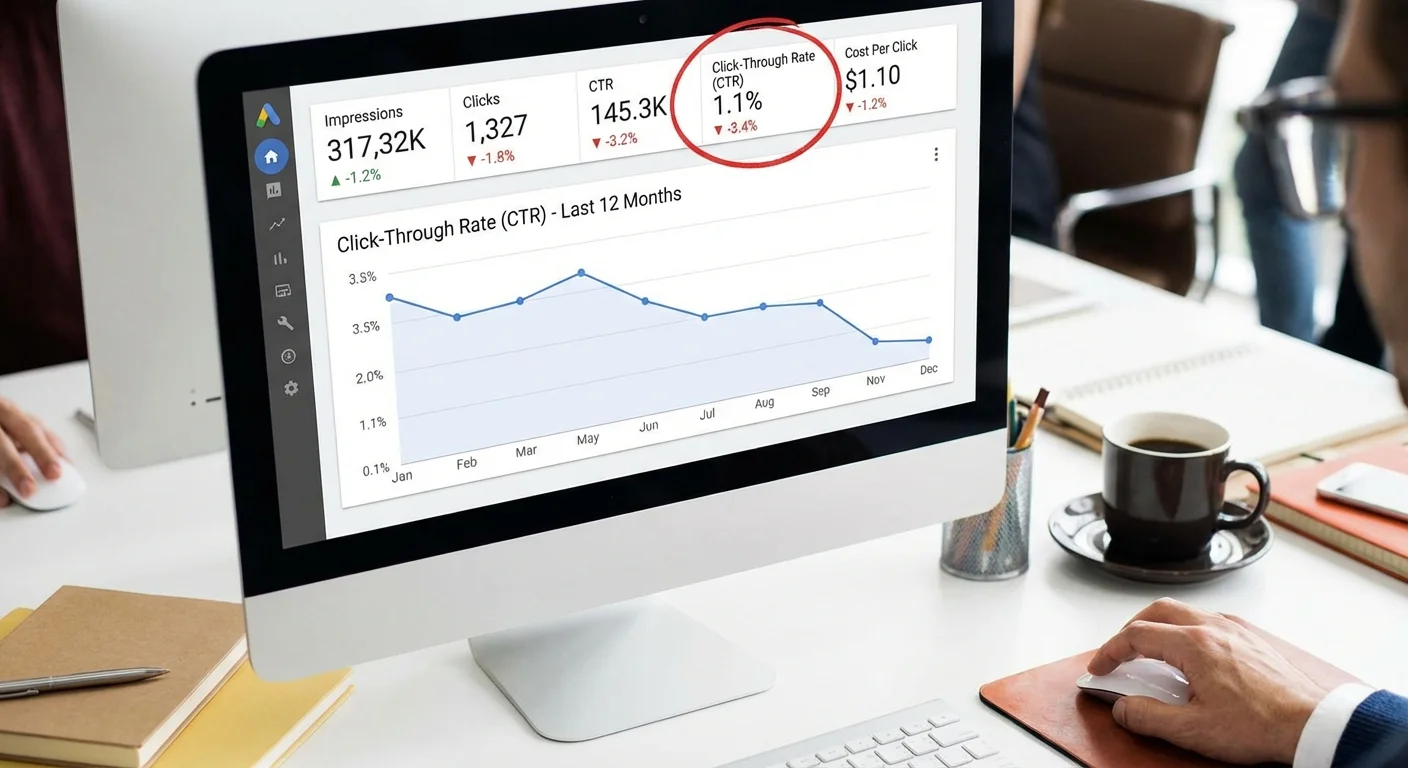
Ad fatigue happens when your target audience sees the same ads too many times. This leads to lower engagement and falling click-through rates. It is different from banner blindness, though many marketers confuse the two.
Banner blindness happens when users ignore ads in general, often on first view. Ad fatigue comes from seeing identical creatives too often. Even highly relevant, well-designed ads suffer from fatigue when audiences see them too frequently.
The impact goes beyond falling CTRs. Fatigued ads can actually push away potential customers. They create negative brand feelings. Instead of moving prospects toward a sale, tired creatives drive them away from your business entirely.
Where Ad Fatigue Strikes Hardest
Google Display Network campaigns face ad fatigue most often. When you target specific placements or audience interests, your ads show up again and again on sites your audience visits regularly. This creates repeated contact with the same creative and speeds up fatigue.
Remarketing campaigns face even bigger challenges. They target users who already visited your website. This means smaller audience pools. The same ads follow users across the web, creating high-frequency exposure that triggers fatigue quickly.
Search campaigns are not immune, especially in competitive niches. Users researching products often run similar queries multiple times. They see the same ad copy again and again. While less common than display fatigue, search ad fatigue still hurts performance when left unchecked.
Strategic Ad Variation to Combat Fatigue
Regular ad variation is the foundation of fatigue prevention. Every campaign should launch with multiple creative versions, no matter the campaign type. This allows both A/B testing and rotation to prevent audience oversaturation.
Research from Retargeter shows why creative updates matter. Campaigns running the same creatives for five months see CTRs drop by half. They fall from 0.21% to 0.12% on average. This decline speeds up as fatigue sets in.
Small Changes, Big Impact
You do not need big budget increases or full creative overhauls to fight fatigue. Small changes often work well to re-engage audiences. Simple tweaks like background colours, button styles, or headline placement can refresh ad appeal noticeably.
WordStream found that minor changes — like swapping background colours or switching image elements — improved campaign results. These small variations work because they create novelty. They do not need long creative development or testing time.
Radical Creative Experiments
When small tweaks stop working, bold creative changes become necessary. Completely different ad styles can breathe new life into campaigns. They can also attract new audience segments who did not respond to your previous approach.
Google’s own ads show this principle well. Their campaigns range from clean, minimal designs to detailed product-focused creatives aimed at specific demographics. This variation prevents any single audience from getting oversaturated with one creative style.
Major creative changes offer another benefit: they reveal new conversion chances. Different demographics and personality types respond to different creative approaches. What tires out one group might strongly engage another you have not reached yet.
Optimising Ad Rotation Settings
Creating varied ads means nothing if users do not see them. Google Ads’ default settings favour top-performing creatives. This can limit views for new variations and speed up fatigue of winning ads.
When you add new creatives, temporarily change rotation settings to make sure they get enough data. Switch from “optimise for conversions” to “rotate evenly” or “rotate indefinitely” during testing periods.
How to Change Ad Rotation Settings
Go to your campaign and click the Settings tab. Scroll to Advanced Settings and open the Ad Delivery section. Here you will find current rotation settings along with options to change them.
Select “Rotate Evenly” for 90-day testing periods or “Rotate Indefinitely” for ongoing variation. Even rotation makes sure new creatives get enough impressions for meaningful analysis.
Implementing Frequency Capping
Frequency capping tackles ad fatigue at its source. It limits how often individual users see your ads. This feature works only on Display Network campaigns. However, it is invaluable for keeping engagement up and preventing audience irritation.
Set frequency caps based on your campaign goals and audience size. Broader audiences can handle higher frequency. Niche markets need more conservative limits. We do not recommend single-impression caps. Users often need multiple views before engaging, especially when browsing casually.
Setting Up Frequency Caps
Find frequency capping through the same Advanced Settings menu used for ad rotation. The option appears below ad rotation settings in the Ad Delivery section.
Choose the right impression limits per user by day, week, or month. Base these on your audience size and campaign length. Smaller audience pools need lower frequency caps to prevent oversaturation.
Frequency Caps for Different Audience Sizes
Niche businesses with smaller audience pools face higher fatigue risk. The same users see ads more often simply because of limited targeting options. Use conservative frequency caps — perhaps 3-5 impressions per week rather than daily limits.
Adjust frequency caps as campaigns run longer. Older campaigns need lower caps and more frequent creative updates. What works in month one becomes oversaturation by month six.
Combating Search Ad Fatigue
Search ad fatigue happens less often than display fatigue. However, it still hurts performance, especially in competitive spaces. Users researching products often repeat similar searches and see the same ad copy multiple times.
The fix focuses on ad copy variation and better relevance. Create multiple ad versions targeting the same keywords with different messaging angles. Test emotional appeals versus rational benefits. Try problem-focused versus solution-focused copy.
For more insights on effective ad copy creation, explore proven tactics that improve conversion rates across search campaigns.
Ad Customisers for Dynamic Freshness
Ad customisers add automated freshness to search campaigns. Countdown timers, seasonal messaging, and dynamic pricing create constantly changing ad experiences without manual work.
These dynamic elements grab attention even from users who saw your ads before. Limited-time offers with countdown timers create urgency that overcomes fatigue-driven indifference.
Remarketing-Specific Fatigue Solutions
Remarketing campaigns face unique fatigue challenges because of their small audience pools. The same ads literally follow users across the web. This creates high-frequency exposure that needs careful management.
Interestingly, remarketing ads tire out at half the rate of regular display ads, according to WordStream research. Users show more patience for ads from sites they visited. However, every audience pool hits saturation eventually. Smaller pools hit it faster.
Segmented Remarketing for Relevance
Generic remarketing that targets all website visitors causes faster fatigue than segmented approaches. Create specific remarketing lists based on user behaviour. Separate product viewers, cart abandoners, and newsletter subscribers.
Tailor your creative messaging to each segment’s interests. Product viewers see ads for the specific items they browsed. Cart abandoners get discount offers. This relevance stretches ad lifespan considerably.
Learn more about building effective remarketing audience lists that reduce fatigue through better targeting.
For more detail, see our guide on building effective remarketing audiences.
Focus on Conversions Over CTR
Remarketing campaigns should focus on conversion metrics over click-through rates when checking for fatigue. CTR naturally drops in remarketing. However, conversion rates often improve as you target increasingly qualified audiences.
Users who visited your site show higher purchase intent than cold traffic. Even with lower CTRs, these warm audiences convert at better rates. This makes remarketing profitable despite apparent fatigue signals.
Advanced Strategies and Future Solutions
Programmatic advertising offers smart solutions to ad fatigue through advanced behavioural data and automated fine-tuning. These platforms can detect fatigue patterns and rotate creatives automatically based on real-time performance data.
However, businesses not ready for programmatic can still achieve great results. Consistent creative testing and smart frequency capping go a long way. The key is following data trends while staying open to testing new creative approaches.
For broader context on digital marketing strategies that support paid ads, explore how integrated approaches reduce pressure on individual campaigns and lower fatigue risk.
Turning Fatigue Into Opportunity
Ad fatigue is not just a problem to solve. It is a chance to improve. Campaigns that tackle fatigue early develop stronger creative testing processes, better audience insights, and more sustainable performance over time.
Businesses that invest time in fatigue prevention see better CTRs, higher conversion rates, stronger ROI, and more useful campaign data. The effort pays off in long-term campaign sustainability and performance growth.
Start using these fatigue-fighting strategies today. Begin with ad variation and frequency capping. Then gradually add more advanced approaches as your campaigns mature. Your audiences — and your performance metrics — will thank you.
Frequently Asked Questions
How quickly does ad fatigue occur in Google Ads campaigns?
Ad fatigue usually starts after 4-6 weeks of consistent exposure. Research shows CTRs can drop by 50% after five months of running the same creatives. Display and remarketing campaigns experience fatigue faster than search campaigns.
What’s the difference between ad fatigue and banner blindness?
Banner blindness happens when users ignore ads in general, often on first view. Ad fatigue comes from repeated exposure to identical ads. It causes falling engagement over time, even with relevant, well-designed creatives.
How many ad variations should I create to prevent fatigue?
Start with 3-5 ad variations per campaign. Then create new versions every 4-6 weeks based on performance data. The key is regular creative refreshes rather than having many ads from the start.
What frequency cap should I set for display campaigns?
For broad audiences, try 5-7 impressions per week. For niche markets with smaller audience pools, use 3-5 impressions per week. Lower your caps as campaigns run longer to prevent oversaturation.
Do search ads experience fatigue like display ads?
Search ads experience fatigue less often than display ads because they are query-based. However, users researching products often repeat similar searches and see the same ad copy multiple times. This can cause fatigue in competitive niches.
Should I prioritise CTR or conversions when monitoring remarketing fatigue?
Focus on conversion metrics rather than CTR for remarketing campaigns. CTR naturally drops in remarketing. However, conversion rates often improve as you target qualified audiences who already showed interest in your business.