SEO Checklist for Forex Traders to Rank in Google in 2026

The forex trading industry is fiercely competitive online. Major financial institutions with massive marketing budgets dominate the search results for high-volume keywords. But that doesn’t mean independent traders and smaller firms can’t compete effectively for visibility.
Smart SEO strategy can help forex traders cut through the noise and attract targeted organic traffic. The key is focusing on specific tactics that work in highly competitive markets, rather than trying to outspend the big players.
Here’s a proven SEO checklist that forex traders can use to improve their search rankings and drive more qualified traffic to their sites.

Target Long-Tail Keywords for Better ROI
Broad keywords like “forex trading” or “currency exchange” are dominated by major financial institutions. These terms require enormous budgets and resources to rank competitively. The smarter approach is targeting long-tail keywords that offer better conversion potential with less competition.
Long-tail keywords typically have three key advantages: lower competition, higher conversion rates, and more specific user intent. Instead of targeting “forex signals”, consider phrases like “best forex signals for EUR/USD” or “reliable forex signals telegram channel”.

Finding Profitable Long-Tail Keywords
Google Keyword Planner remains the go-to tool for initial keyword research. Start by entering your main topic and look for phrases with moderate search volume (1000-10000 monthly searches) and lower competition ratings.
Social media platforms and forums provide excellent keyword inspiration. Monitor discussions on Reddit, Quora, and specialised forex forums to identify questions and phrases your target audience actually uses. These real conversations often reveal valuable keyword opportunities that automated tools miss.
Master On-Page Optimisation Fundamentals
On-page SEO forms the foundation of your search visibility. Each element sends signals to Google about your page’s relevance and quality. Getting these basics right significantly improves your ranking potential, especially when combined with quality content.
Title Tags That Drive Clicks
Your title tag is both a ranking factor and a marketing tool. Include your primary keyword naturally while making the title compelling enough to earn clicks. Keep titles under 60 characters to prevent truncation in search results.
Examples of effective forex title tags: “EUR/USD Trading Strategy: 5 Signals That Work” or “Forex Day Trading Tips: How to Profit in Volatile Markets”. These titles include keywords while promising specific, valuable information.
Meta Descriptions for Higher CTR
Meta descriptions don’t directly affect rankings, but they significantly impact click-through rates. Write compelling descriptions that include your target keywords and a clear value proposition. Stay under 155 characters to avoid truncation.
Effective meta descriptions answer the user’s question or promise to solve their problem. Include a subtle call-to-action when appropriate: “Learn proven EUR/USD trading strategies used by professional traders. Get actionable signals and risk management tips.”
Strategic Header Structure
Use headers to create a logical content hierarchy that both users and search engines can follow easily. Your H1 should contain your primary keyword, while H2 and H3 headers can target related secondary keywords.
Headers also improve readability and user experience. Online readers scan content quickly, and clear headers help them find relevant sections. This improved user behaviour sends positive signals to Google about your content quality.
Create Content That Ranks and Converts
Content quality is the strongest ranking factor in competitive markets. Google rewards sites that consistently publish valuable, original content that satisfies user intent. For forex traders, this means creating educational content that helps traders improve their results.

Content Types That Perform Well
Educational guides, market analysis, and strategy tutorials consistently perform well in forex SEO. These content types establish expertise while targeting valuable long-tail keywords. Examples include currency pair analysis, economic calendar explanations, and risk management guides.
Case studies and trading results (when legally compliant) also attract significant organic traffic. Traders want to see proof that strategies work, making detailed performance analysis valuable content for both SEO and conversion purposes.
Regular market commentary and news analysis help capture trending keywords and demonstrate current market knowledge. This type of content often ranks quickly for time-sensitive searches while building domain authority over time. For more insights on creating effective content strategies, check out our guide on optimising blog posts for Google rankings.
Content Publishing Strategy
Consistency matters more than frequency. Publishing two high-quality posts per week beats publishing daily low-quality content. Develop a content calendar that covers different aspects of forex trading: technical analysis, fundamental analysis, risk management, and market psychology.
Each piece of content should target specific keywords while genuinely helping your audience. Avoid keyword stuffing or writing solely for search engines. Google’s algorithms are sophisticated enough to recognise and reward content that serves real user needs.
Mobile Optimisation Is Non-Negotiable
Mobile-first indexing means Google primarily uses your mobile site version for ranking and indexing. With over 60% of searches happening on mobile devices, mobile optimisation directly impacts your search visibility and user experience.
Mobile users often have different intent than desktop users. They might be checking quick market updates or looking for specific trading signals. Ensure your most important content and functionality are easily accessible on mobile devices. Our team at PWD Digital specialises in creating mobile-optimised sites that perform well in search results.
Mobile-Specific SEO Considerations
Page loading speed becomes even more critical on mobile connections. Compress images, minify code, and enable browser caching to improve mobile performance. Google’s Core Web Vitals heavily weight mobile experience in ranking decisions.
Touch-friendly navigation and appropriately sized buttons improve user experience metrics that Google monitors. High bounce rates or short session durations on mobile can negatively impact rankings across all devices.
Site Speed Optimisation for Better Rankings
Page speed directly affects both user experience and search rankings. Google has confirmed site speed as a ranking factor, and users abandon slow-loading sites quickly. For forex sites displaying real-time data, fast loading times are especially important.
Use Google PageSpeed Insights to identify specific performance issues affecting your site. The tool provides actionable recommendations for both mobile and desktop optimisation. Focus on the suggestions with the highest impact scores first.
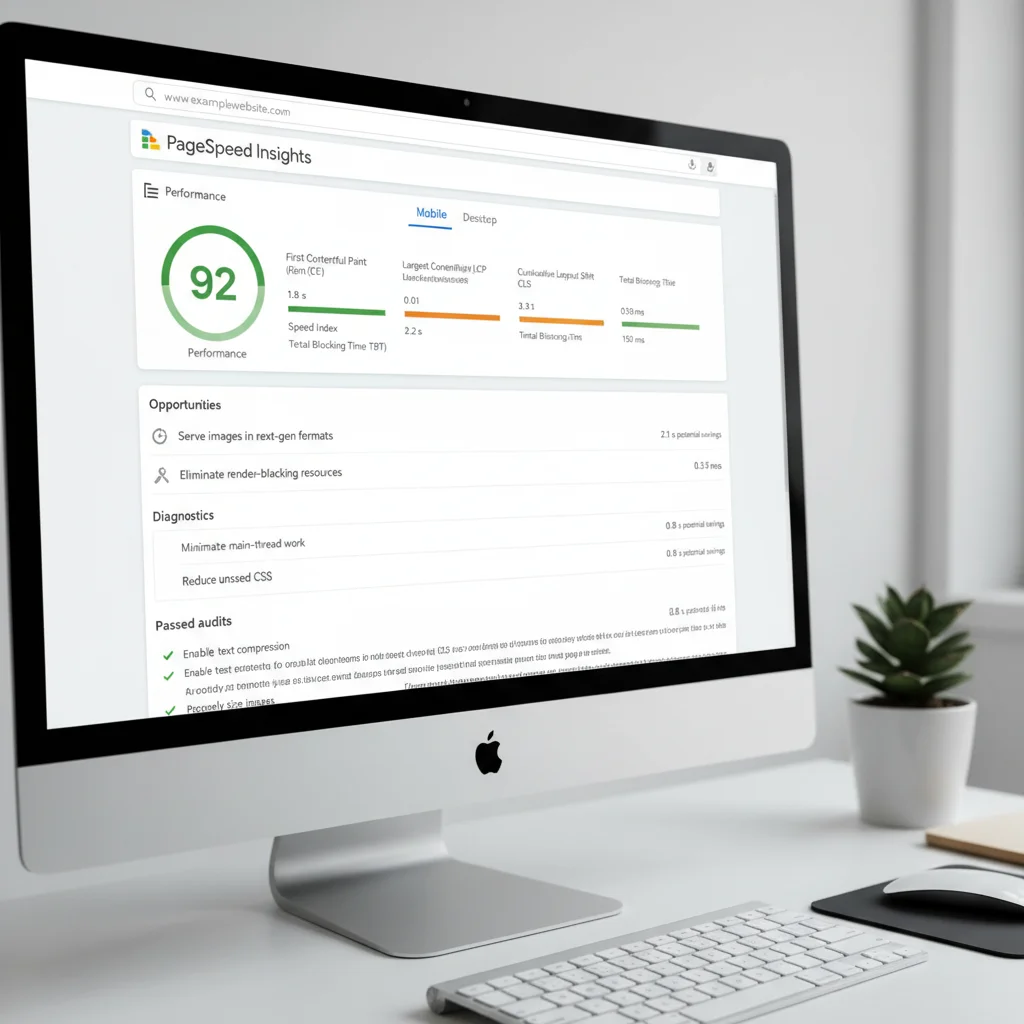
Essential Speed Optimisation Techniques
Image compression offers the biggest performance gains for most sites. Use WebP format when possible and implement lazy loading for images below the fold. Large, unoptimised images are the most common cause of slow page speeds.
Choose a reliable hosting provider with servers located near your target audience. Shared hosting might be cost-effective initially, but dedicated or VPS hosting often provides better performance for business-focused forex sites.
Implement caching solutions to reduce server load and improve response times. Browser caching, server-side caching, and Content Delivery Networks (CDNs) all contribute to faster page loads. For more technical insights, explore our guide on why website speed matters.
Build Authority Through Link Building
Link building remains one of the strongest ranking factors, particularly in competitive industries like forex trading. Quality backlinks from relevant, authoritative sites signal to Google that your content is valuable and trustworthy.
Focus on earning links through valuable content and legitimate relationship building. Guest posting on reputable finance blogs, contributing to industry publications, and creating link-worthy resources like market analysis or trading tools can attract natural backlinks.
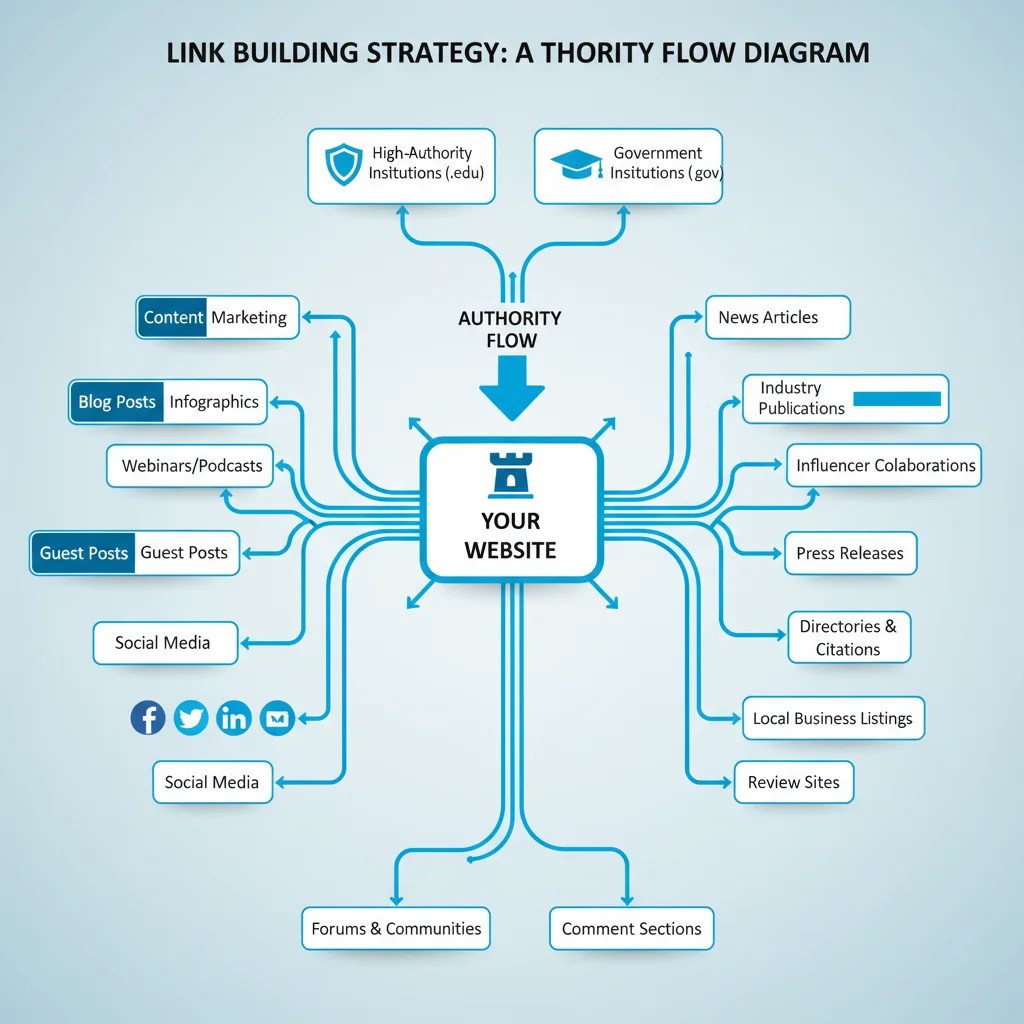
Avoid link schemes or buying low-quality links. Google’s algorithms are sophisticated at detecting unnatural link patterns, and penalties can severely damage your search visibility. Quality over quantity always wins in sustainable SEO strategies. Learn more about effective approaches in our link building strategies guide.
Internal Linking Strategy
Internal links help search engines understand your site structure while keeping users engaged with related content. Link to relevant articles using descriptive anchor text that includes target keywords naturally.
Create topic clusters by linking related articles together. For example, link your EUR/USD analysis to broader European economic content and specific trading strategy posts. This internal linking structure helps establish topical authority in search results.
Technical SEO Fundamentals
Technical SEO ensures search engines can crawl, index, and understand your content effectively. While less visible than content optimisation, technical issues can completely prevent your pages from ranking well.
Submit an XML sitemap to Google Search Console to help search engines discover all your important pages. Monitor the Search Console for crawl errors, indexing issues, or security problems that might affect your rankings.
Common Technical Issues
Duplicate content issues often affect forex sites that display similar market data or analysis across multiple pages. Use canonical tags to specify the preferred version of similar content and avoid potential ranking penalties.
SSL certificates are mandatory for any site handling user data or financial information. HTTPS is also a confirmed ranking factor, so ensure your entire site loads securely. Mixed content warnings can negatively impact both security and SEO performance.
For expert technical SEO analysis and implementation, consider working with specialists who understand both SEO and financial industry requirements. Our technical SEO guide covers the essential elements in detail.
Measuring and Improving SEO Performance
SEO success requires ongoing measurement and optimisation. Track keyword rankings, organic traffic, and conversion metrics to understand which strategies deliver the best results for your forex trading business.
Google Analytics and Search Console provide essential data for SEO performance tracking. Monitor which pages attract the most organic traffic, which keywords drive conversions, and where users exit your site most frequently.
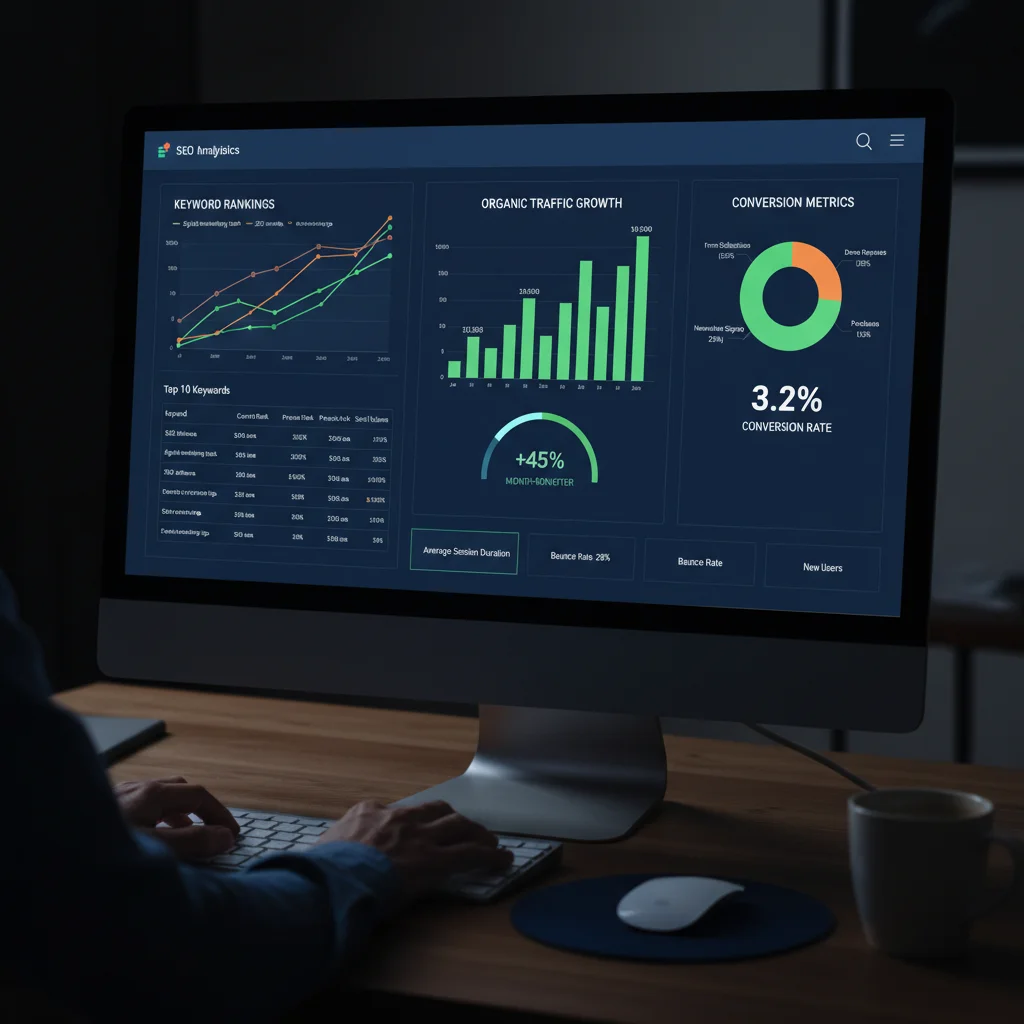
Regular SEO audits help identify new opportunities and potential issues before they impact rankings. Review your keyword rankings monthly, analyse competitor strategies, and update your content calendar based on performance data. Learn more about tracking the right metrics in our SEO KPIs guide.
Remember that SEO is a long-term strategy. Significant improvements typically take 3-6 months, especially in competitive markets like forex trading. Consistent effort and continuous optimisation deliver the best results over time.
Frequently Asked Questions
How long does it take to see SEO results for forex trading websites?
Most forex sites see initial ranking improvements within 2-3 months, with significant results typically appearing after 6 months of consistent SEO effort. Competitive markets like forex require patience and sustained optimisation.
What are the best keywords for forex trading SEO?
Long-tail keywords work best for most forex traders. Focus on specific currency pairs, trading strategies, or educational content rather than broad terms like ‘forex trading’ which are dominated by major institutions.
Is content marketing important for forex SEO?
Content marketing is essential for forex SEO success. Educational articles, market analysis, and trading guides help establish expertise while targeting valuable keywords that attract potential clients.
How often should I publish new content for forex SEO?
Aim for 1-2 high-quality posts per week rather than daily low-quality content. Consistency matters more than frequency, and quality content performs better in competitive markets like forex trading.
What technical SEO issues affect forex websites most?
Common issues include slow loading speeds, mobile optimisation problems, duplicate content from similar market data, and missing SSL certificates. These technical factors can significantly impact search rankings.
Should forex traders focus on local or global SEO?
This depends on your business model. Retail forex brokers often benefit from local SEO, while educational sites and signal services typically target global audiences with broader keyword strategies.