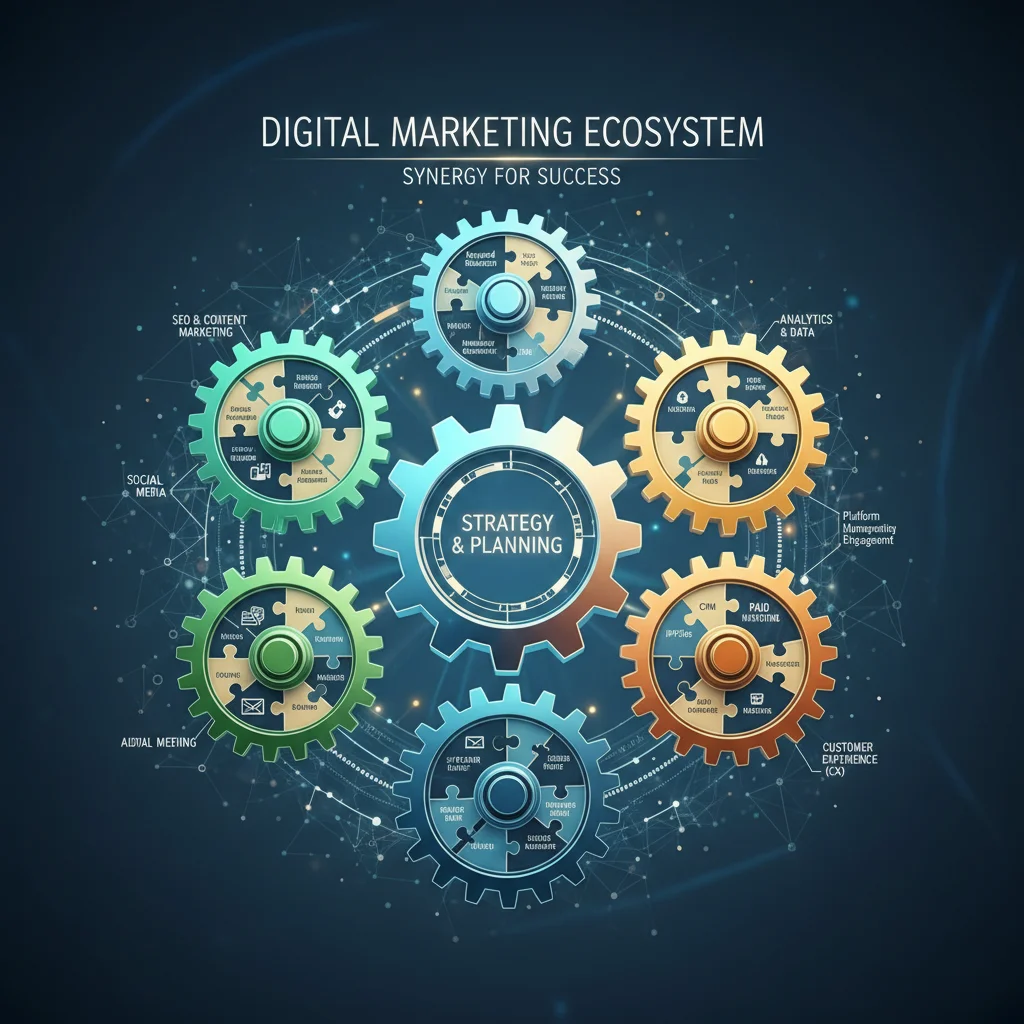
How a Holistic Digital Marketing Strategy Can Boost Your Bottom Line

Most businesses pour money into individual marketing tactics—running Google Ads one month, trying social media the next, maybe dabbling in SEO. But this scattergun approach is exactly why most marketing budgets deliver disappointing results. The businesses that consistently win online understand something different: success comes from connecting different marketing strategies into one unified system.
Think of it like building a house. You wouldn’t just build a great foundation and ignore the roof, or create beautiful walls without plumbing. Yet that’s exactly what happens when businesses focus on just SEO rankings or only social media ads. A coordinated digital marketing approach brings together design, traffic generation, conversion optimisation, and measurement to create something much more powerful than its individual parts.
The Four Pillars of Effective Digital Marketing
Every successful online business relies on four interconnected elements. Miss one, and the whole system becomes less effective. Master all four, and you create a marketing machine that consistently delivers results.
Attraction: Drawing the Right Traffic
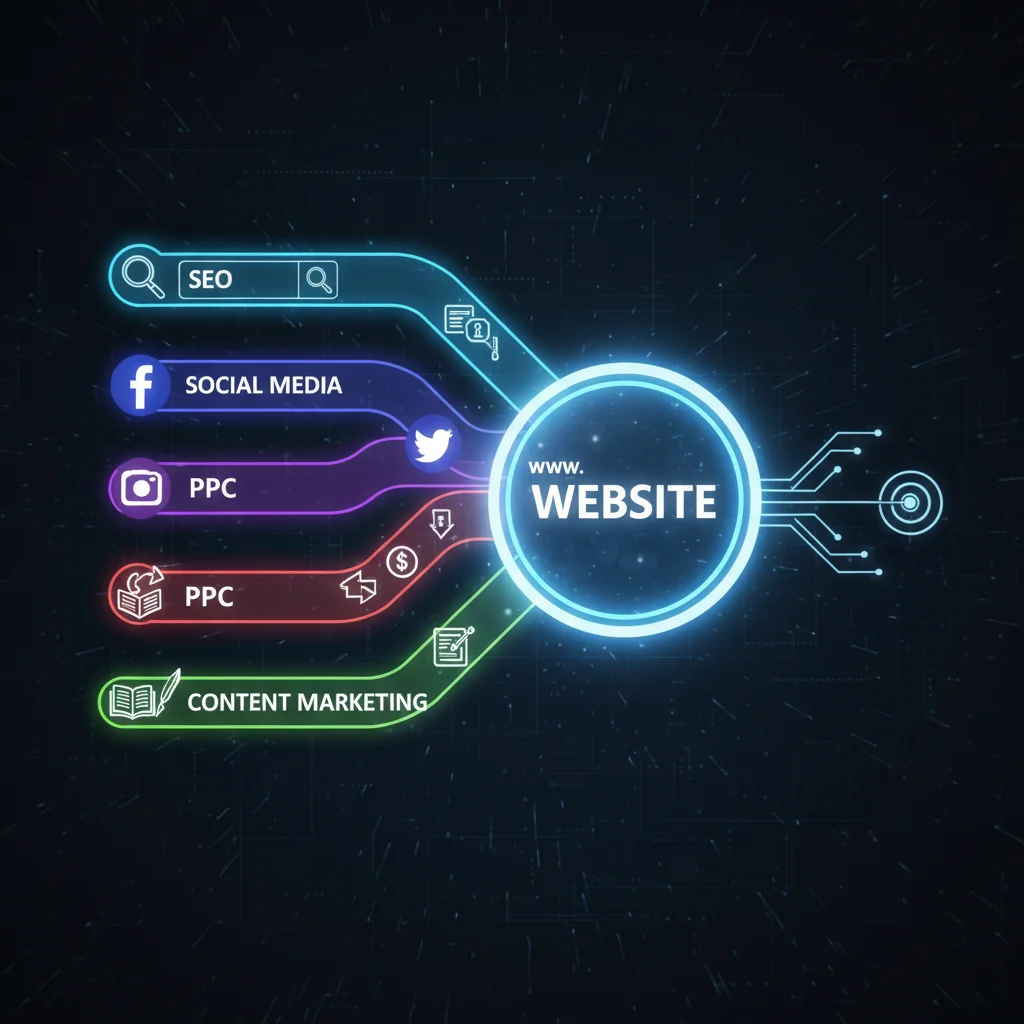
This is where most businesses start—and where many make their first mistake. Attraction isn’t just about getting more visitors; it’s about getting the right visitors through multiple channels. Search engine optimisation brings in people actively looking for your solutions. Social media marketing builds brand awareness and drives traffic from different platforms. Pay-per-click advertising delivers immediate visibility for high-intent keywords.
The key is diversification. Rely only on SEO, and algorithm changes can devastate your traffic overnight. Focus only on paid ads, and your costs can spiral out of control. Smart businesses use multiple traffic sources that reinforce each other.
Retention: Keeping Prospects Engaged
Here’s the reality: most visitors won’t buy on their first visit. Research shows it takes 7-12 touchpoints before someone makes a purchase decision. Retention strategies capture these almost-customers and keep your business front of mind.
Email newsletters, downloadable guides, retargeting ads, and valuable content all serve one purpose: maintaining a relationship with prospects who aren’t ready to buy yet. The businesses that win are the ones still talking to prospects when they’re finally ready to purchase.
Conversion: Turning Visitors into Customers
Traffic without conversions is just expensive entertainment. Conversion optimisation focuses on removing friction and building trust at every step of the buyer’s journey. This means clear messaging, intuitive navigation, social proof, and streamlined checkout processes.
Measurement: Improving What Matters
You can’t improve what you don’t measure. Smart measurement identifies which campaigns drive the most valuable customers, which pages lose the most prospects, and which channels provide the best return on investment. This data becomes the foundation for making your entire marketing system more effective.

Design That Drives Results
Your website design isn’t just about looking good—it’s the foundation that makes everything else work. Poor design sabotages even the best marketing campaigns. When Google studied mobile website usage, they found that 67% of mobile users are more likely to purchase from a mobile-friendly site, while 52% are less likely to engage with companies that provide poor mobile experiences.
Effective design serves multiple masters simultaneously. It needs to be search engine friendly for better rankings, conversion-optimised for sales, and user-friendly across all devices. The best designs make it effortless for visitors to find what they need, share content on social media, and complete purchases.
Essential Design Elements That Convert
- Clear navigation that guides users to their goals
- Mobile-responsive layouts that work on any device
- Fast loading speeds that don’t test patience
- Social sharing buttons positioned strategically
- Simplified checkout processes that reduce abandonment
- Trust signals like testimonials and security badges
Remember: good web usability isn’t just nice to have—it directly impacts your bottom line. Even small improvements in user experience can deliver significant increases in conversion rates.
Multi-Channel Traffic Generation
Having the best product or service means nothing if nobody knows about it. Traffic generation is about building multiple pathways that bring qualified prospects to your business. The most successful companies rarely depend on just one traffic source.
Search Engine Optimisation
SEO remains one of the most cost-effective ways to attract customers actively searching for your solutions. But success requires more than just targeting keywords. Modern SEO means creating content that genuinely helps your target audience, building authority through quality backlinks, and ensuring your website meets Google’s technical standards.
The businesses that succeed with SEO avoid common ranking mistakes and focus on metrics that matter. They understand that SEO is a long-term investment that compounds over time.
Social Media Marketing
Social platforms aren’t just for brand awareness anymore. LinkedIn drives B2B leads, Facebook’s detailed targeting options reach specific demographics, and Instagram showcases products visually. The key is choosing platforms where your customers actually spend time and creating content that adds value rather than just promotes.
Pay-Per-Click Advertising
PPC delivers immediate visibility and precise targeting. Google Ads puts you in front of people actively searching for your services, while Facebook Ads can target based on interests, behaviours, and demographics. The advantage of PPC is speed and control—you can turn campaigns on and off, adjust budgets, and see results within hours.
Success with PPC requires continuous optimisation. Smart advertisers use neuromarketing principles to write more compelling ad copy and improve their quality scores.
Content Marketing
Quality content serves multiple purposes: it improves SEO rankings, provides value to social media followers, and nurtures email subscribers. Well-optimised blog posts can rank in search engines for years, continuously bringing in new visitors without ongoing ad spend.
Video Marketing
Video content consistently outperforms text across most platforms. YouTube is the world’s second-largest search engine, and video posts on social media receive significantly more engagement than static images. Video builds trust faster than text because prospects can see and hear from real people in your business.
Conversion Rate Optimisation
Traffic numbers look impressive in reports, but they’re meaningless if visitors aren’t taking action. Conversion rate optimisation (CRO) systematically improves the percentage of visitors who become customers, subscribers, or leads.
Common Conversion Killers
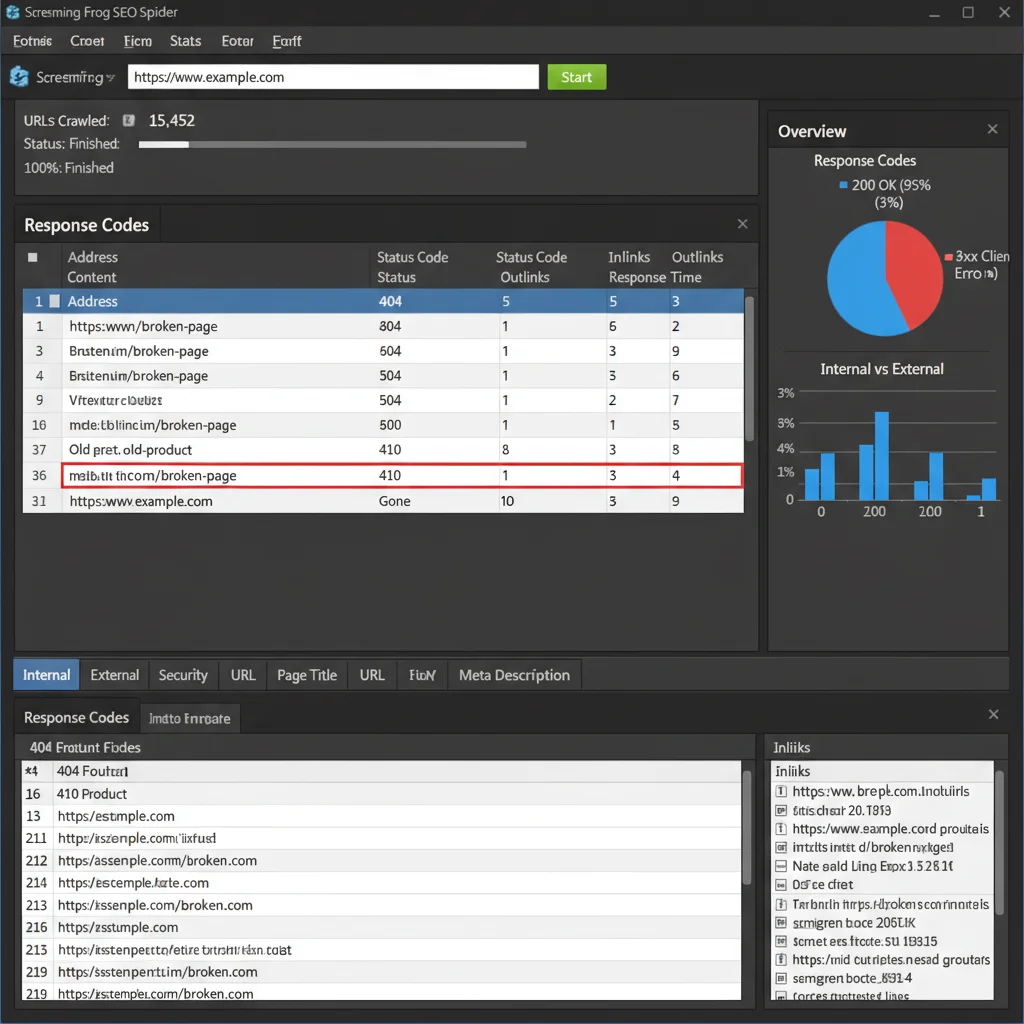
Why do visitors leave without buying? The reasons are usually predictable and fixable:
- Confusing navigation that makes it hard to find products
- Complicated checkout processes with too many steps
- Poor copy that doesn’t address customer concerns
- Slow loading speeds that test patience
- Insufficient product information or social proof
- Missing trust signals like security badges or guarantees
Proven CRO Strategies
Successful conversion optimisation combines psychology with data. Test different headlines to see which resonate better with your audience. Simplify forms by removing unnecessary fields. Add customer testimonials near purchase buttons. Make your guarantee prominent and specific.
Even small improvements compound quickly. A 1% increase in conversion rate might seem modest, but it can add thousands to your bottom line when applied across all your traffic.
Integration Creates Competitive Advantage
The real magic happens when these elements work together. Your SEO content gets shared on social media, expanding its reach. Social media followers join your email list, where they receive valuable content that builds trust. Email subscribers are more likely to click on your ads because they recognise your brand. Website visitors who’ve seen your ads multiple times are more likely to convert.
This integration is what separates businesses that grow consistently from those that struggle with individual tactics. Smart digital marketing strategies create momentum where each element amplifies the others.

Getting Started With Your Complete Marketing System
Building an integrated marketing system doesn’t happen overnight. Start with solid foundations: ensure your website is mobile-friendly, fast-loading, and conversion-optimised. Then gradually add traffic sources, beginning with the ones most likely to reach your ideal customers.
Most importantly, set up proper measurement from day one. You need to know which channels bring the most valuable customers, which pages lose the most prospects, and which campaigns deliver the best return on investment.
The businesses winning online aren’t necessarily spending more on marketing—they’re spending smarter. They’ve moved beyond individual tactics to create marketing systems where every element supports the others. Ready to build a marketing system that delivers consistent results? The competitive advantage goes to businesses that act while their competitors are still trying individual tactics.
Frequently Asked Questions
What’s the difference between integrated marketing and running separate campaigns?
Integrated marketing connects different channels so they reinforce each other, while separate campaigns work in isolation. For example, your SEO content gets promoted on social media, social followers join your email list, and email subscribers are more likely to convert from ads because they recognise your brand.
How long does it take to see results from an integrated digital marketing approach?
Some elements like PPC ads show results within days, while SEO and content marketing build momentum over months. Most businesses see meaningful improvements within 3-6 months when all elements work together, with compound growth over time.
Should small businesses try to use all digital marketing channels at once?
No. Start with 2-3 channels that best reach your target customers, then expand gradually. It’s better to do fewer things well than spread resources too thin across many channels.
What’s the most important metric to track in digital marketing?
Return on investment (ROI) and customer acquisition cost are most important because they show profitability. Track which channels bring the most valuable customers, not just the most traffic or clicks.
How do you know if your digital marketing strategy is working?
Look for increasing qualified leads, improving conversion rates, growing organic traffic, and better ROI across channels. Most importantly, track business outcomes like sales and customer lifetime value, not just marketing metrics.